OPEC+ to hike crude output: Will it make a difference to oil prices?
The Organization of the Petroleum Exporting Countries and its allies (OPEC+) has agreed to increase its crude output as the Middle East conflict continues to disrupt oil traffic passing through the Strait of Hormuz.
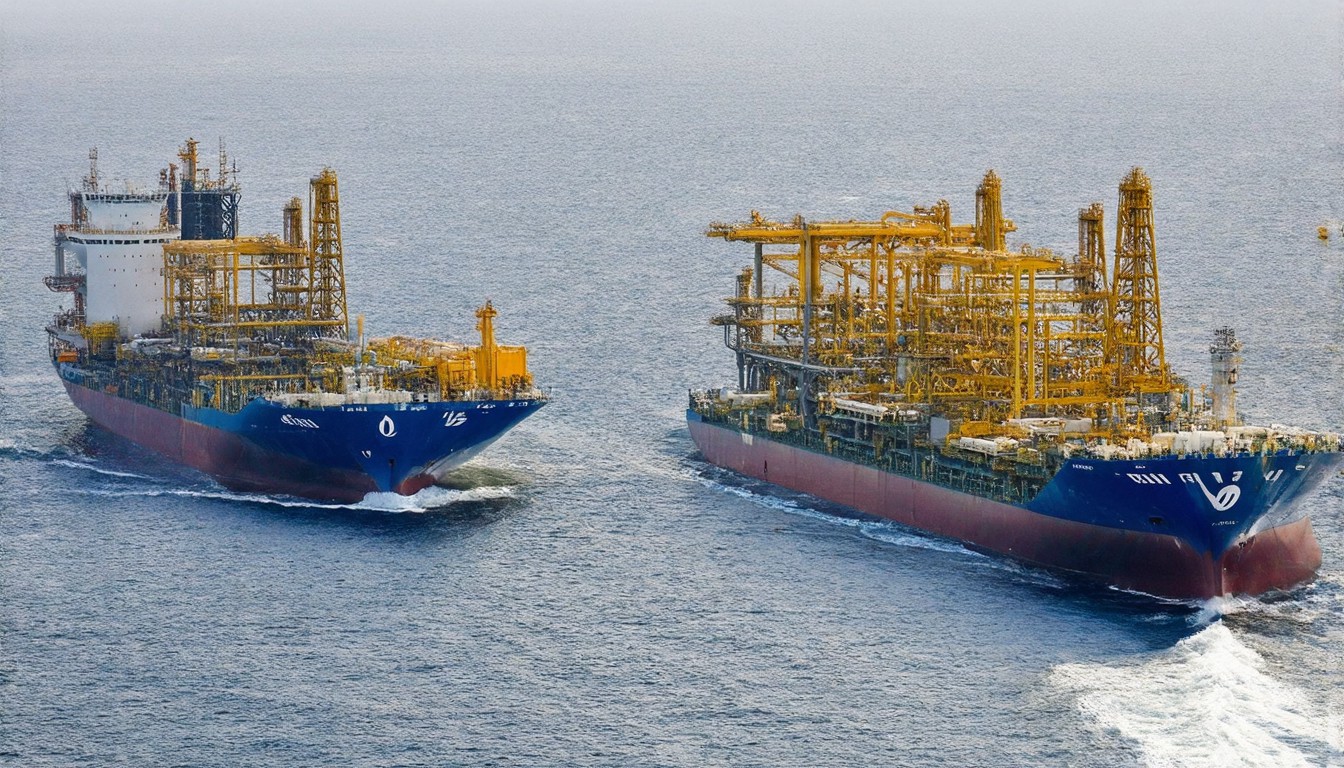
The Organization of the Petroleum Exporting Countries (OPEC+) has recently announced a decision to increase its crude oil output, a move that is expected to have significant implications for global oil prices. This decision comes amid ongoing tensions in the Middle East, particularly the ongoing conflict that has disrupted oil traffic passing through the Strait of Hormuz.
The Strait of Hormuz, located between the Persian Gulf and the Gulf of Oman, is a critical chokepoint for global oil transportation. Approximately 30% of the world's oil supply, including a significant portion of Middle Eastern crude, passes through this narrow waterway. The ongoing conflict in the region has led to heightened concerns about the stability of this vital shipping route, causing disruptions and potential delays in oil deliveries.
In response to these challenges, OPEC+ has decided to boost its crude output. This move is aimed at mitigating any potential shortages that could arise due to the disruptions in the Strait of Hormuz and ensuring a more stable supply of oil to global markets. By increasing production, OPEC+ hopes to alleviate any upward pressure on oil prices that might result from the regional tensions.
However, the impact of this decision on oil prices remains uncertain. While the increase in production could potentially counterbalance any supply disruptions, the extent of the effect will depend on several factors. Firstly, the scale of the production increase must be significant enough to make a noticeable difference in the global oil market. Secondly, the duration of the disruptions in the Strait of Hormuz will influence the severity of any supply shortages. If the disruptions are temporary, the impact on prices may be less pronounced.
Moreover, global oil demand plays a crucial role in determining oil prices. If demand remains robust, even with increased supply, prices could still remain elevated. Conversely, if demand weakens due to economic downturns or alternative energy sources gaining traction, the impact of the increased supply on prices might be more pronounced.
Additionally, the decision of OPEC+ to increase output could have geopolitical implications. By boosting production, OPEC+ is signaling its commitment to maintaining stable oil markets, which could reassure investors and consumers. However, it may also prompt questions about the organization's ability to manage supply and demand in the face of external disruptions.
Furthermore, the decision to increase output could affect the dynamics within OPEC+ itself. Some member countries may be more inclined to increase production, while others may prioritize long-term strategic reserves or other considerations. This could lead to internal debates and potential disagreements within the organization.
In conclusion, OPEC+'s decision to hike crude output is a significant development that could have a substantial impact on global oil prices. While the move aims to counterbalance any supply disruptions caused by the ongoing Middle East conflict, the actual effect on prices will depend on various factors, including the scale of the production increase, the duration of the disruptions, and global demand trends. As the situation in the Strait of Hormuz and the broader oil market continues to evolve, it will be crucial for OPEC+ to monitor these factors closely and adjust its strategy accordingly.