OPEC Plus Warns of Slow Recovery After War in Iran
The group of influential oil exporters also said it was increasing its production quotas, a largely symbolic move.
The Organization of the Petroleum Exporting Countries (OPEC) Plus has issued a warning about the slow pace of global oil market recovery following the escalation of conflict in Iran. The group, which includes major oil-producing nations, highlighted the challenges posed by the ongoing war in Iran and its impact on global energy markets.
In a recent statement, OPEC Plus emphasized that the situation in Iran has disrupted oil supply chains and increased uncertainty among investors. The group's analysis suggests that the recovery process will be gradual, with significant geopolitical risks persisting in the region. This comes as the conflict in Iran has intensified, leading to increased tensions in the Middle East and raising concerns about the stability of oil-rich nations.
Despite the challenges, OPEC Plus announced that it is increasing its production quotas. However, the move is described as largely symbolic, as the actual increase in production is expected to be minimal. This decision reflects the group's cautious approach to the market, aiming to provide some reassurance to consumers and investors while acknowledging the complexities of the current situation.
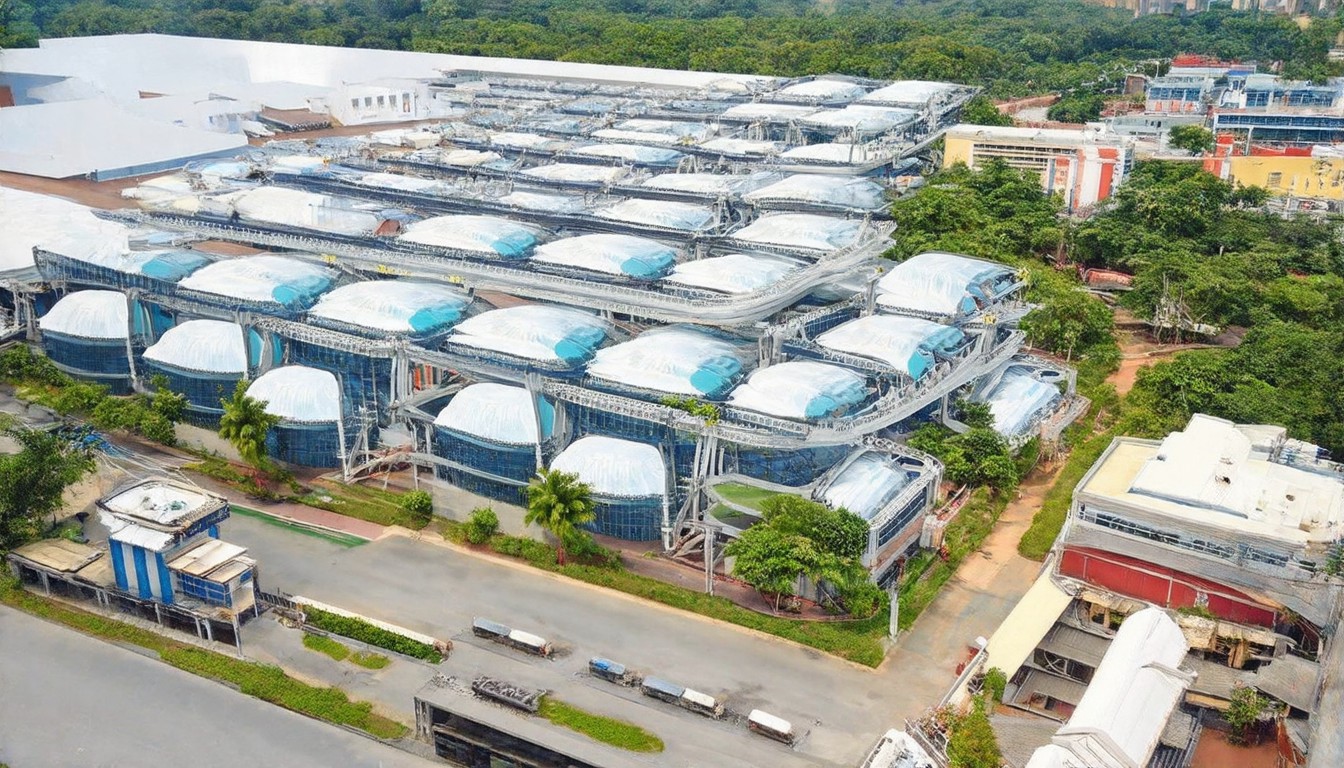
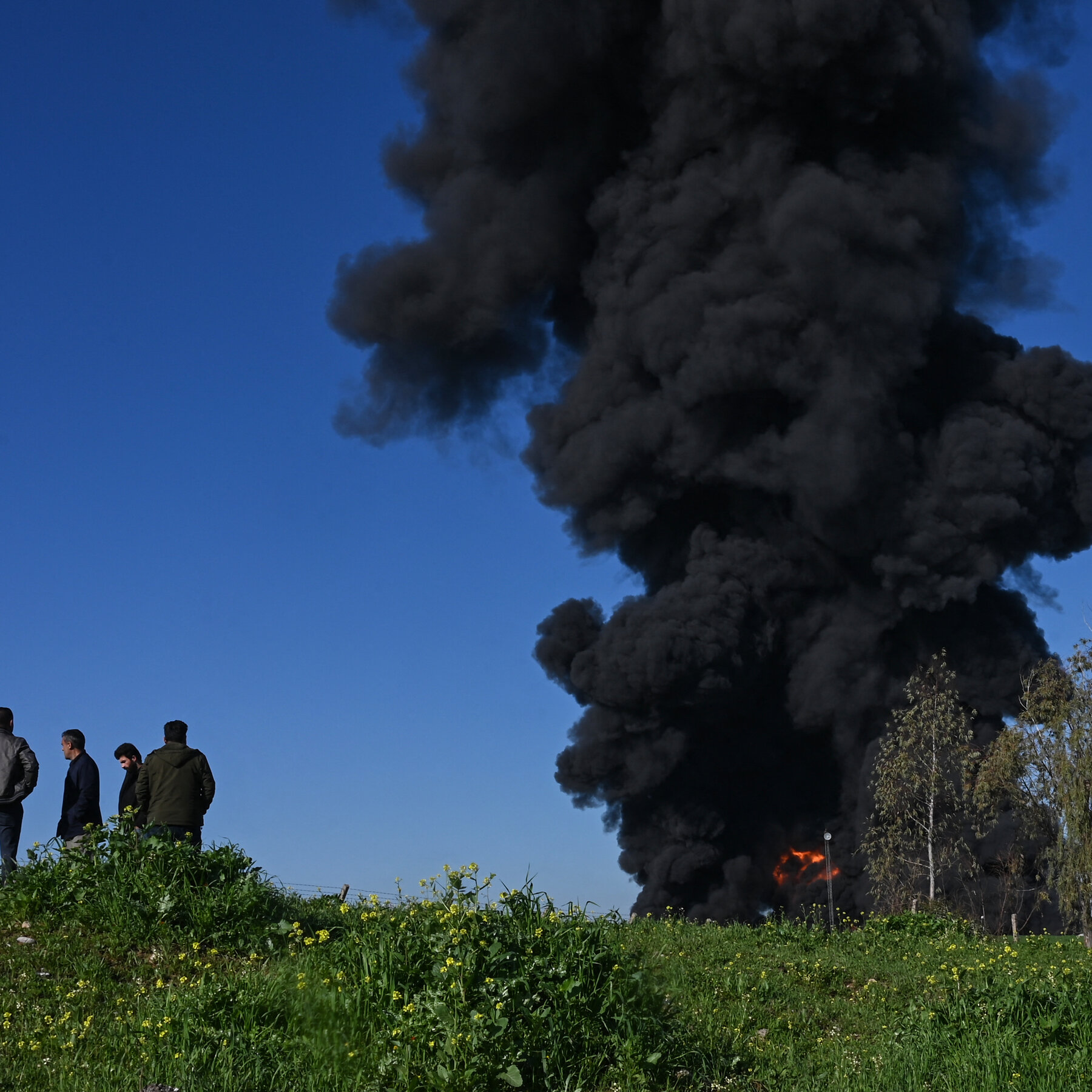
The recent drone attack on an oil warehouse near Erbil, Iraq, further underscores the vulnerability of oil infrastructure in the region. The attack, which caused significant smoke and raised concerns about the safety of oil storage facilities, highlights the need for increased security measures to protect critical infrastructure.
OPEC Plus's warning comes as global oil markets have been struggling to recover from the pandemic-induced downturn. The group's assessment suggests that the recovery will be slower than initially anticipated, with the conflict in Iran acting as a significant headwind. This development could have implications for global energy prices, potentially leading to higher costs for consumers and businesses reliant on oil.
In response to the challenges, OPEC Plus is urging member countries to remain vigilant and adaptable. The group is closely monitoring the situation in Iran and other regions, ready to adjust its strategy as needed to ensure market stability. Meanwhile, international efforts to diversify energy sources and reduce reliance on oil are gaining momentum, as countries look for alternatives to address both economic and environmental concerns.
The slow recovery in the oil market is a cause for concern for both producers and consumers. OPEC Plus's warning serves as a reminder of the complex interplay between geopolitical events and energy markets. As the conflict in Iran continues to unfold, the group's role in managing global oil production and stabilizing prices will be more critical than ever.
In conclusion, the OPEC Plus's recent statement highlights the challenges facing the global oil market in the wake of the war in Iran. While the group is taking steps to increase production quotas, the actual impact on market dynamics remains limited. The region's ongoing instability and the vulnerability of oil infrastructure, as demonstrated by the recent attack in Iraq, underscore the need for robust security measures and strategic planning. As the world navigates this complex landscape, the group's ability to adapt and respond to changing conditions will be pivotal in ensuring a stable and sustainable energy future.