
OPEC Plus Warns of Slow Recovery After War in Iran
The group of influential oil exporters also said it was increasing its production quotas, a largely symbolic move.
The Organization of the Petroleum Exporting Countries (OPEC Plus) has issued a cautious outlook on the global oil market, warning that the recovery from the recent war in Iran could be slow and uneven. The group, which includes major oil-producing nations such as Saudi Arabia, Russia, and the United Arab Emirates, highlighted the ongoing geopolitical tensions and economic uncertainties that are likely to hinder a swift rebound in oil demand and prices.
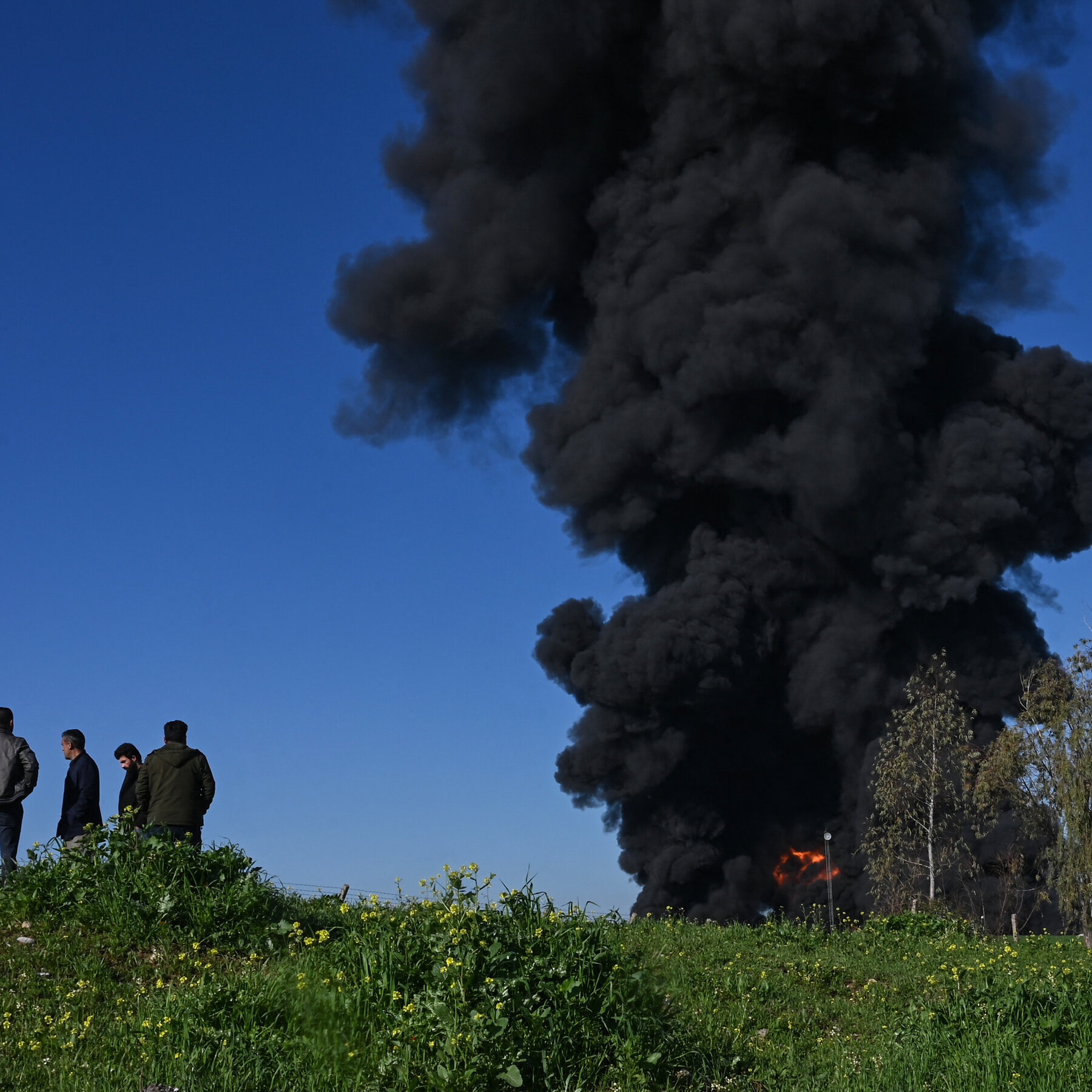
In a recent statement, OPEC Plus emphasized that the conflict in Iran, which has disrupted oil production and supply, will have long-lasting effects on the market. The group's analysis comes as smoke continues to rise from an oil warehouse near Erbil, Iraq, following a suspected drone attack last week. This incident underscores the vulnerability of oil infrastructure in the region and adds to the challenges faced by producers and consumers alike.
Despite the challenges, OPEC Plus announced that it is increasing its production quotas, a move described as largely symbolic. The decision reflects the group's commitment to maintaining stability in the oil market, even as the recovery from the war in Iran is expected to be gradual. Analysts suggest that the increase in quotas may not significantly alter market dynamics, given the prevailing uncertainties and the potential for further disruptions.
The war in Iran has already caused a noticeable dip in oil production, with estimates suggesting that output could remain below pre-war levels for several months. This development has prompted concerns among oil-importing nations about the adequacy of global supply to meet existing demand. OPEC Plus's warning of a slow recovery highlights the need for continued vigilance and cooperation among producers to address the evolving challenges in the oil market.
In addition to the war in Iran, the group also pointed to other factors that could impact the recovery, such as the ongoing economic downturn in key markets and the uncertain trajectory of energy transition initiatives. These factors are likely to influence both supply and demand patterns, complicating efforts to stabilize prices and ensure a sustainable recovery.
OPEC Plus's cautious tone is a departure from its previous optimism, which was based on the assumption that the war would not last long and that production could resume quickly. However, the prolonged conflict and its aftermath have forced a reassessment of the situation. The group's decision to increase production quotas is a strategic move aimed at demonstrating flexibility and responsiveness to market conditions, while also signaling its readiness to adapt to changing circumstances.
The situation in Iran is not the only challenge facing the oil market. The broader geopolitical landscape, including tensions in other regions and the ongoing energy transition, continues to pose significant risks. OPEC Plus's warning serves as a reminder of the complexities and uncertainties that producers must navigate in order to ensure a stable and resilient global oil market.
In conclusion, OPEC Plus's recent statement underscores the challenges and uncertainties facing the oil market in the wake of the war in Iran. While the group's decision to increase production quotas is a symbolic gesture, it reflects a cautious optimism that the market can adapt to the changing landscape. However, the slow recovery and ongoing geopolitical tensions highlight the need for continued collaboration and strategic planning among oil-producing nations to address the evolving challenges and ensure a sustainable future for the industry.









