
OPEC+ hikes oil production quotas, issues warning
VIENNA - The OPEC+ oil cartel agreed on Sunday to again increase oil production quotas, while warning that repairing energy facilities, such as those damaged in the Middle East war, is "costly and takes a long time".
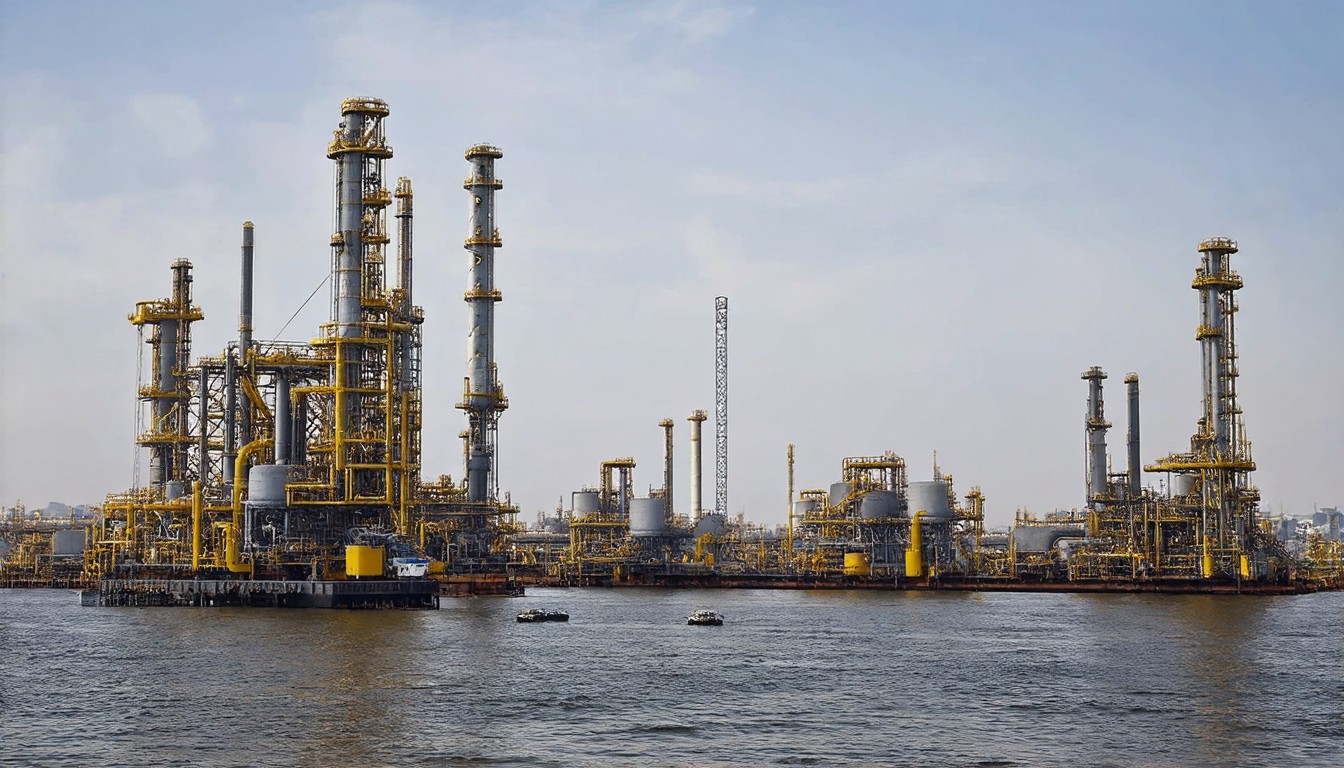
The OPEC+ oil cartel has announced a decision to hike its oil production quotas, marking another significant increase in global oil output. This move comes as the organization warns that repairing energy facilities, particularly those affected by the ongoing Middle East conflict, is a costly and time-consuming process.
The decision to increase production quotas was reached during a meeting held in Vienna on Sunday. OPEC+, which includes both OPEC member states and non-OPEC countries like Russia, has been closely monitoring global oil markets and adjusting its production strategy to maintain price stability. The recent hike in quotas is part of a broader effort to balance supply and demand, ensuring a steady flow of oil to global markets.
However, the organization's warning about the challenges of repairing energy facilities highlights the complexities of the oil industry. The Middle East, a region rich in oil reserves, has seen significant disruptions to its energy infrastructure due to ongoing conflicts. These disruptions have not only affected regional oil production but also posed challenges to global supply chains.
OPEC+ officials have emphasized that the repair process is both costly and time-consuming. Rebuilding damaged facilities requires substantial investment in equipment, labor, and expertise. Moreover, the time required to restore production levels can be substantial, potentially leading to temporary supply shortages.
This situation presents a dilemma for the oil cartel. While increasing production quotas can help meet global demand and stabilize prices, the underlying challenges in repairing energy facilities could limit the long-term sustainability of such a strategy. OPEC+ is likely to continue monitoring the situation closely, balancing the need for increased output with the potential risks of overstraining already damaged infrastructure.
The decision to hike production quotas also reflects a broader trend in the oil market. With the global economy recovering from the pandemic, demand for oil has been on the rise. This increased demand, coupled with the need to replace depleted reserves, has driven the industry to prioritize production.
However, the warning about the cost and time required to repair energy facilities underscores the vulnerabilities in the oil supply chain. The ongoing Middle East conflict has already caused significant disruptions, and the industry must be prepared to address potential future challenges.
In conclusion, OPEC+'s decision to increase oil production quotas is a strategic move to address rising global demand and stabilize prices. However, the organization's warning about the challenges of repairing energy facilities serves as a reminder of the complexities and vulnerabilities in the oil industry. As the world continues to recover from the pandemic and geopolitical tensions, the ability to adapt and manage these challenges will be crucial for maintaining a stable and sustainable oil market.









