Once pro-independence, Taiwan opposition leader leans into China
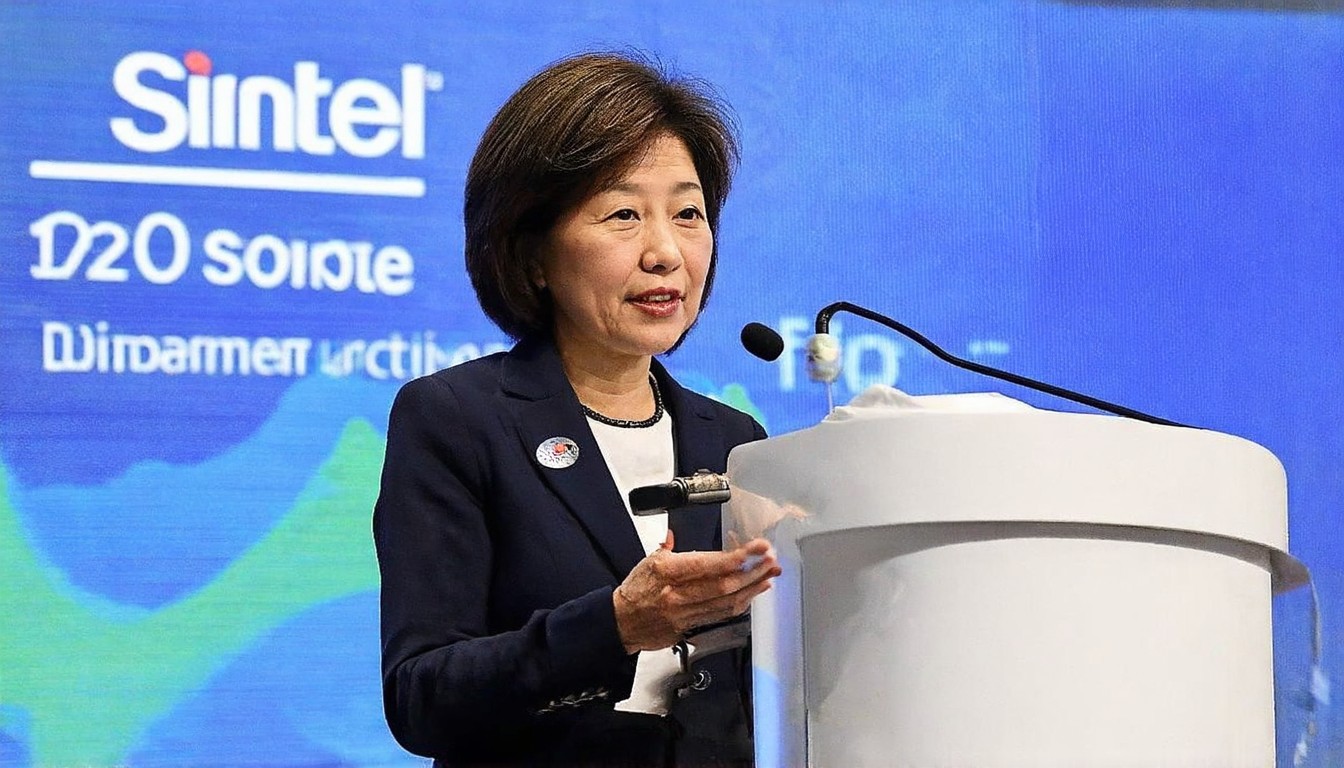
Cheng Li-wun was once a fierce campaigner for Taiwan’s independence, but these days the firebrand leader of the democratic island’s largest opposition party sees herself as a peace builder with China. Cheng, 56, will lead a Kuomintang (KMT) delegation to China on Tuesday — the first by a sitting chairperson of the party since 2016 […]
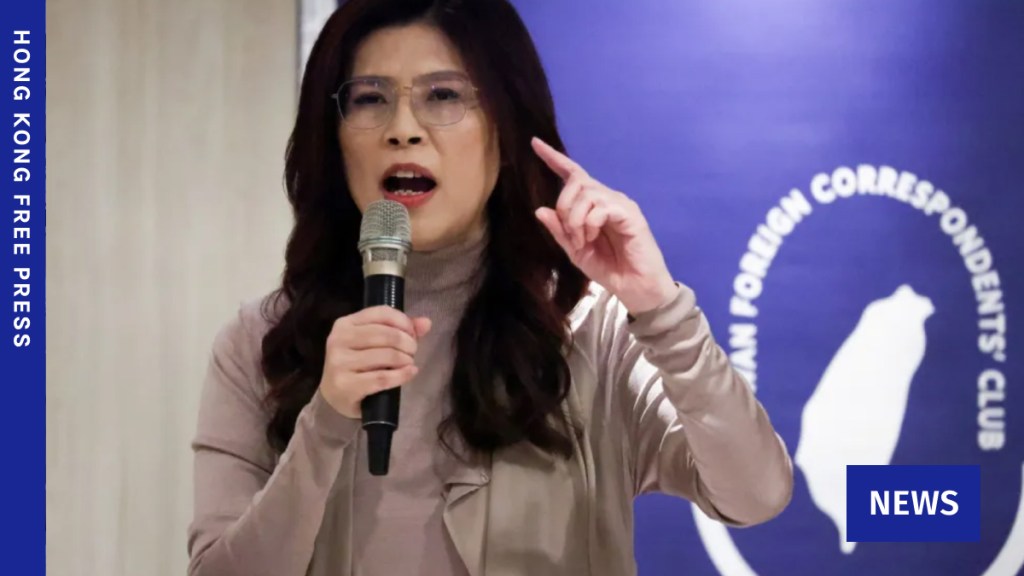
Cheng Li-wun, the chairperson of Taiwan's Kuomintang (KMT) party, is embarking on a significant diplomatic journey. Once a prominent advocate for Taiwan's independence, Cheng, now 56, is leading a delegation to China, marking the first such visit by a sitting KMT chairperson since 2016. This shift in stance has transformed her from a fiery independence campaigner into a self-proclaimed peace builder with China.
Cheng's journey to Beijing comes as she hopes to meet Chinese President Xi Jinping. The former talk show host and legislator has been a dominant figure in Taiwanese politics since her unexpected rise to the top of the KMT in November. The KMT, which has long advocated for closer economic ties and cultural exchanges with Beijing, has seen Cheng's leadership marked by a more conciliatory approach towards China.
However, Cheng's shift has not been without controversy. Critics, both within and outside the KMT, have accused her of being overly pro-China. China claims Taiwan as part of its territory and has threatened to use force to annex it. Some within the KMT fear that Cheng's vocal rhetoric, which often aligns with Beijing's positions, could deter moderate voters in upcoming local elections and the presidential race in 2028, potentially straining relations with the United States, Taiwan's most significant security ally.
Despite these concerns, Cheng remains optimistic about the potential impact of her meeting with Xi Jinping. She has stated that such talks would carry "significant symbolic meaning" and could serve as a "foundation" for peaceful relations across the Taiwan Strait. "I do not believe a single meeting can resolve all the issues that have been accumulating for nearly a century," Cheng acknowledged. "But I hope I can successfully build such a bridge."
Cheng's background in a "military dependents' village" for KMT forces and their families has shaped her political outlook. Raised in an environment closely tied to the party, she has navigated a complex political landscape, balancing the need for stability with the demands of her party's base.
As Cheng prepares to meet with Xi Jinping, the stakes are high. Her visit could either pave the way for improved relations or further exacerbate tensions between Taiwan and China. The outcome will likely influence not only the trajectory of Taiwanese politics but also the broader geopolitical dynamics in the region.
Cheng's journey to Beijing is a testament to the evolving nature of Taiwanese politics. Her transformation from an independence advocate to a peace builder highlights the complexities of navigating a country's relationship with a powerful neighbor. As she leads the KMT delegation, the focus will be on whether her efforts can foster genuine dialogue and reduce the risk of conflict in the Taiwan Strait.
In the face of criticism, Cheng remains steadfast in her mission. Her belief in the possibility of peaceful relations with China is a stark contrast to the more confrontational stance of some within her party. The success of her mission will depend on whether both sides can find common ground and move towards a more stable and cooperative future.
As Cheng prepares to meet with Xi Jinping, the world watches, eager to see if this pivotal meeting can bring about meaningful change. The outcome will not only shape the future of Taiwan-China relations but also influence the broader geopolitical landscape in Asia. The stakes are high, and the potential for both progress and conflict are equally significant. Only time will tell if Cheng's efforts can truly build the bridge she hopes to construct.