
‘Old’
Rethinking what it means to age as humans live longer and healthier
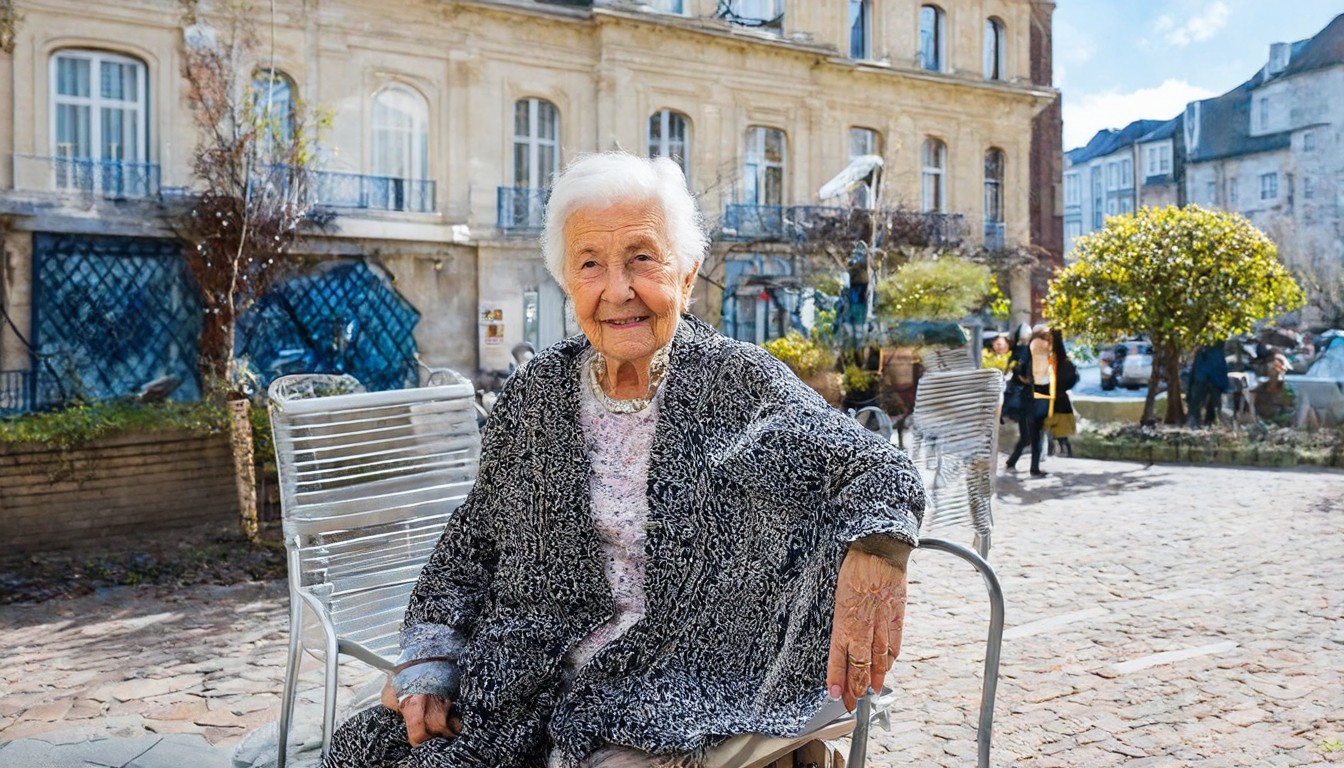
As humans live longer and healthier, the concept of aging is undergoing a significant transformation. A person born in 2024 in the United States can expect to live to 79, marking an increase of 0.6 years from 2023 and the longest life expectancy in U.S. history. However, living longer and living well are not synonymous. Approximately 93 percent of the nation's 58 million adults over 65 live with at least one chronic health condition, such as hypertension, high cholesterol, arthritis, or diabetes. After age 55, about 42 percent of Americans are expected to develop dementia. Despite these challenges, an increasingly visible cohort of older Americans is not only living longer but also extending their health spans—the years of life free from age-related illness or cognitive decline. This shift is creating new models for aging well and challenging long-standing cultural assumptions about the final third of life.
In the latest installment of "One Word Answer," a series exploring connotations, we asked three scholars to delve into the word "old." Maud Jansen, an M.D.-Ph.D. candidate in Harvard's Department of the History of Science, shared her perspective on the historical view of frailty. During her clinical rotations, Jansen was troubled by how some physicians discussed older patients, as though certain outcomes were predetermined before treatment had even begun. She recalled a team of doctors discussing an elderly woman with a hip fracture and a stroke. One doctor remarked, "Well, she'll go to rehab and wither away." Jansen noted, "It's thorny, because in a way we have to accept that people get older and might have bad outcomes. But then again, are we sure?"
The term "frailty" refers to a state of vulnerability or weakness, often associated with aging. Historically, frailty has been viewed as an inevitable part of the aging process, leading to a decline in physical and cognitive abilities. However, as life expectancy and health spans increase, this traditional view is being challenged. Researchers and clinicians are exploring ways to maintain or even enhance cognitive and physical function in older adults, pushing the boundaries of what is considered "normal" aging.
In addition to medical advancements, societal attitudes toward aging are also evolving. Older adults are increasingly visible in the workforce, contributing to economic growth and innovation. The rise of the "Silver Tsunami" generation—those born between the early 1940s and the mid-1960s—is reshaping industries and communities. These individuals are not only staying employed but also engaging in lifelong learning, pursuing hobbies, and maintaining active social lives. This shift is redefining the stereotype of retirement as a time of decline and inactivity.
Moreover, the digital revolution is offering new opportunities for older adults to stay connected and engaged. Social media platforms, online communities, and telehealth services are breaking down barriers and fostering a sense of belonging. The ability to communicate and collaborate across generations is fostering a more inclusive and understanding society.
The rethinking of aging is also reflected in cultural narratives. Movies, television shows, and advertisements are increasingly featuring older characters in leading roles, challenging the traditional portrayal of aging as a time of loss and irrelevance. These representations are helping to normalize the diversity of aging experiences and celebrate the contributions of older adults.
In conclusion, as humans live longer and healthier lives, the meaning of aging is being redefined. The intersection of medical advancements, societal changes, and cultural shifts is creating new models for aging well. The term "old" is no longer synonymous with decline or vulnerability. Instead, it represents a dynamic and evolving phase of life, filled with opportunities for growth, engagement, and contribution. As we continue to push the boundaries of what is possible, the future of aging holds promise for a more inclusive, vibrant, and fulfilling society.









