
‘Old’
Rethinking what it means to age as humans live longer and healthier
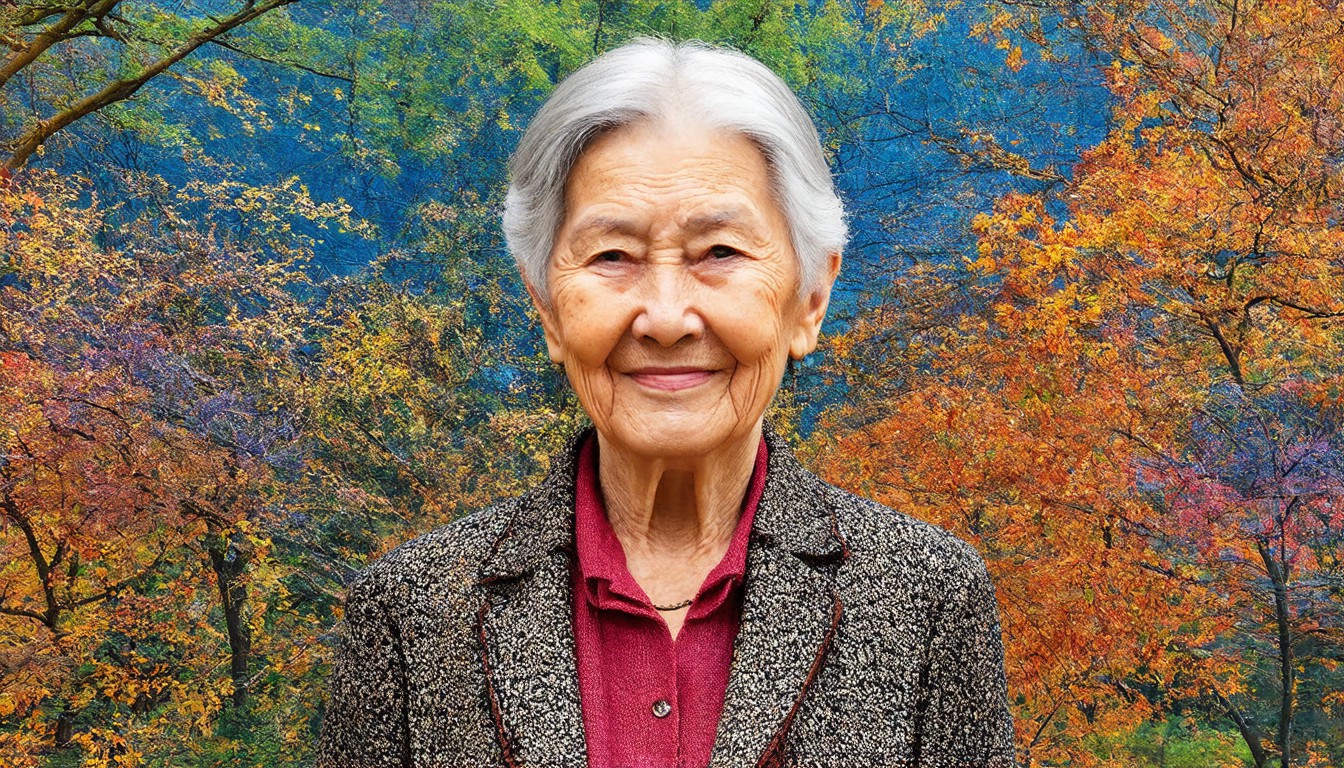
As humans live longer and healthier, the concept of aging is undergoing a significant transformation. A person born in 2024 in the United States can expect to live to 79, marking an increase of 0.6 years from 2023 and the longest life expectancy in U.S. history. However, living longer and living well are not synonymous. Approximately 93 percent of the nation's 58 million adults over 65 live with at least one chronic health condition, such as hypertension, high cholesterol, arthritis, or diabetes. After age 55, about 42 percent of Americans are expected to develop dementia. Despite these challenges, an increasingly visible cohort of older Americans is not only living longer but also extending their health spans, the years of life free from age-related illness or cognitive decline. This shift is creating new models for aging well and challenging long-standing cultural assumptions about the final third of life.
In the latest installment of "One Word Answer," a series exploring connotations, we asked three scholars to delve into the word "old." Maud Jansen, an M.D.-Ph.D. candidate in Harvard's Department of the History of Science, shared her perspective on the historical view of frailty. During her clinical rotations, Jansen was troubled by how some physicians spoke about older patients, as though certain outcomes were predetermined before treatment had even begun. She recalled a team of doctors discussing an elderly woman with a hip fracture and a stroke. One doctor remarked, "Well, she'll go to rehab and wither away." Jansen noted, "It's thorny, because in a way we have to accept that people get older and might have bad outcomes. But then again, are we sure?"
The term "frailty" refers to a state of vulnerability and susceptibility to illness, often associated with aging. Historically, frailty has been viewed as an inevitable part of the aging process, leading to a decline in physical and cognitive abilities. However, as life expectancy and health spans increase, this traditional view is being challenged. Researchers are exploring ways to maintain health and independence in older adults, emphasizing the importance of early intervention, lifestyle modifications, and innovative medical treatments.
Another scholar, Dr. Emily Carter, a geriatrician at the University of California, San Francisco, highlighted the changing cultural narratives surrounding aging. "Older adults are no longer just defined by their health issues or their role as caregivers," Carter explained. "They are increasingly seen as active participants in the workforce, community, and social life." This shift is reflected in the growing number of older adults engaging in lifelong learning, pursuing hobbies, and staying connected with friends and family.
Dr. Carter also pointed out that the media's portrayal of aging has evolved. In the past, older adults were often depicted as frail or dependent, reinforcing negative stereotypes. Today, there is a greater emphasis on age diversity and inclusivity, with older adults portrayed as vibrant, independent, and contributing to society in various ways. This change in representation helps to challenge ageist attitudes and promote a more positive view of aging.
In addition to cultural and medical advancements, policy changes are also playing a role in redefining the meaning of aging. Governments and organizations are increasingly recognizing the value of older adults as a significant demographic group. Policies aimed at improving healthcare access, promoting physical and cognitive activity, and supporting independent living are being implemented to enhance the quality of life for older adults.
The evolving perception of aging is also reflected in the language used to describe older adults. Terms like "senior," "elder," and "retiree" are being replaced with more inclusive and less stigmatizing labels, such as "mature adults" or "older adults." This linguistic shift helps to normalize the aging process and reduce age-related discrimination.
In conclusion, as humans live longer and healthier lives, the concept of aging is undergoing a profound transformation. The traditional view of aging as a time of decline and vulnerability is being challenged by new models that emphasize health spans, independence, and active participation in society. This shift is driven by medical advancements, cultural changes, and policy initiatives, all of which contribute to a more positive and inclusive view of aging. As we continue to explore the complexities of aging, it is essential to recognize the potential and contributions of older adults, fostering a society that values and supports all stages of life.









