Oil-thirsty Asian nations seek Russian crude as Iran war strains supplies
Asian nations are increasingly competing for Russian crude oil as an energy crisis mounts amid the month-old war by the U.S. and Israel against Iran, which has choked…
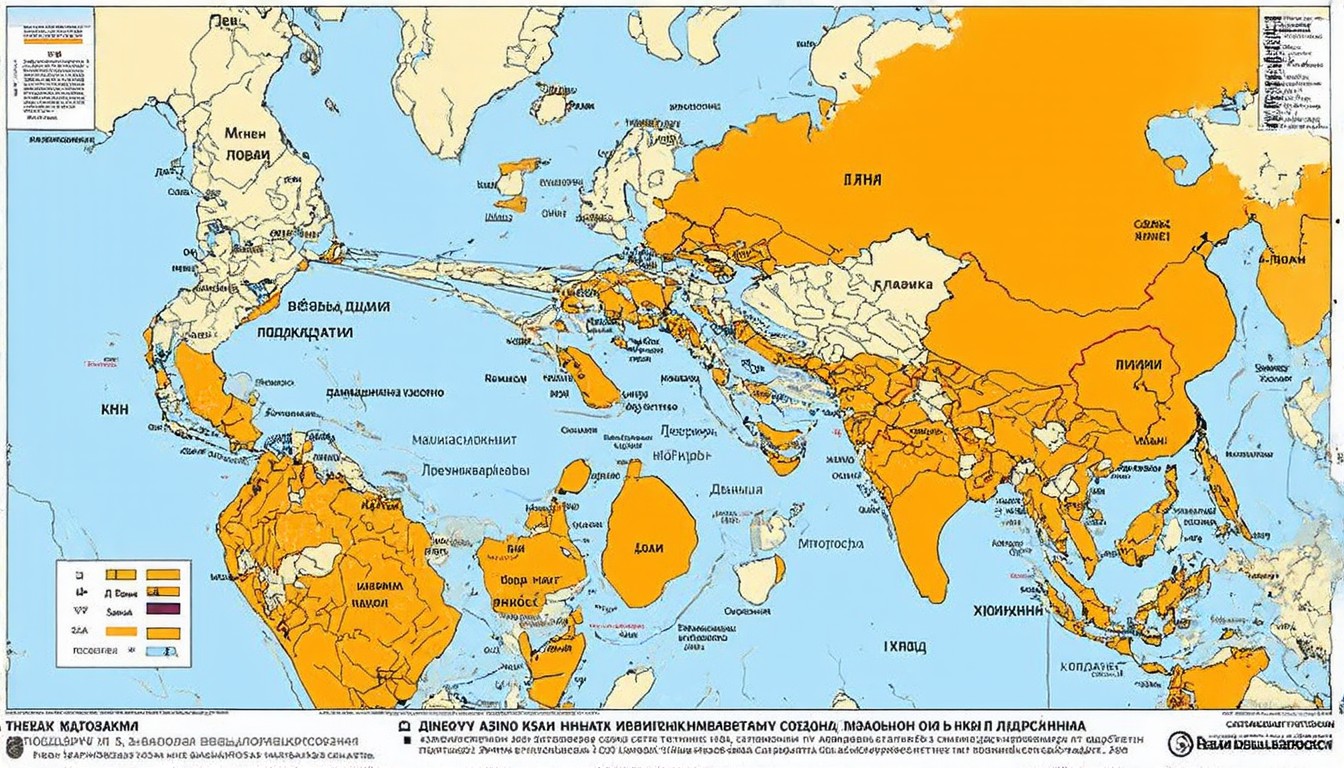
Asian nations are increasingly competing for Russian crude oil as an energy crisis mounts amid the month-long war by the U.S. and Israel against Iran, which has choked off supplies. The conflict has disrupted global oil markets, pushing prices to record highs and forcing countries in Asia to scramble for alternative sources of fuel.
The war between the U.S., Israel, and Iran has led to significant disruptions in the Strait of Hormuz, a critical chokepoint for oil exports. This strategic waterway is used by around 30% of global oil shipments, with Iran being one of the largest exporters. The conflict has resulted in increased tensions and fears of a full-scale military engagement, which could further destabilize the region.
Asian economies, heavily reliant on oil imports, are feeling the pinch of the supply shortages. Countries like China, South Korea, and Japan, which together account for over half of global oil consumption, are now turning to Russia as a potential lifeline. Russian crude has become a sought-after commodity, with Asian buyers willing to pay a premium to secure shipments.
The situation is particularly dire for China, the world's largest oil consumer. With Iranian oil supplies dwindling, China has accelerated its efforts to secure Russian crude. The two countries have already signed a series of agreements to increase oil imports, with Russia pledging to boost production to meet the demand.
South Korea and Japan are also stepping up their bids for Russian crude. Both nations have been closely monitoring the situation in the Strait of Hormuz and are preparing contingency plans to ensure energy security. Japanese oil companies have reportedly increased their orders from Russian suppliers, while South Korea is exploring options to diversify its energy sources.
The scramble for Russian crude is not without its challenges. Logistical hurdles, such as the need for additional infrastructure and transportation, are being addressed by the countries involved. Additionally, geopolitical tensions could complicate the situation, as some Asian nations grapple with their relationships with both Russia and Iran.
The crisis has also prompted a broader discussion about energy security and diversification. Asian nations are reevaluating their reliance on a single source of oil and exploring alternatives such as liquefied natural gas (LNG) and renewable energy. However, the immediate need for oil has forced many to prioritize short-term solutions over long-term strategies.
In the meantime, the global oil market is bracing for further volatility. Analysts warn that any escalation in the conflict could lead to even more severe disruptions, pushing prices to unsustainable levels. The situation underscores the delicate balance of global energy markets and the need for international cooperation to address such challenges.
As the war in the Middle East continues, Asian nations are finding themselves at the center of a complex geopolitical chessboard. Their pursuit of Russian crude is not just a matter of economic survival but also a test of their ability to adapt to a rapidly changing energy landscape. The stakes are high, and the consequences of the conflict could reverberate far beyond the Middle East, impacting economies and energy policies worldwide.