Oil Seesaws After Trump’s Latest Threats on Iran
President Trump taunted Iranian leaders on Sunday, threatening to escalate attacks if the Strait of Hormuz was not reopened.
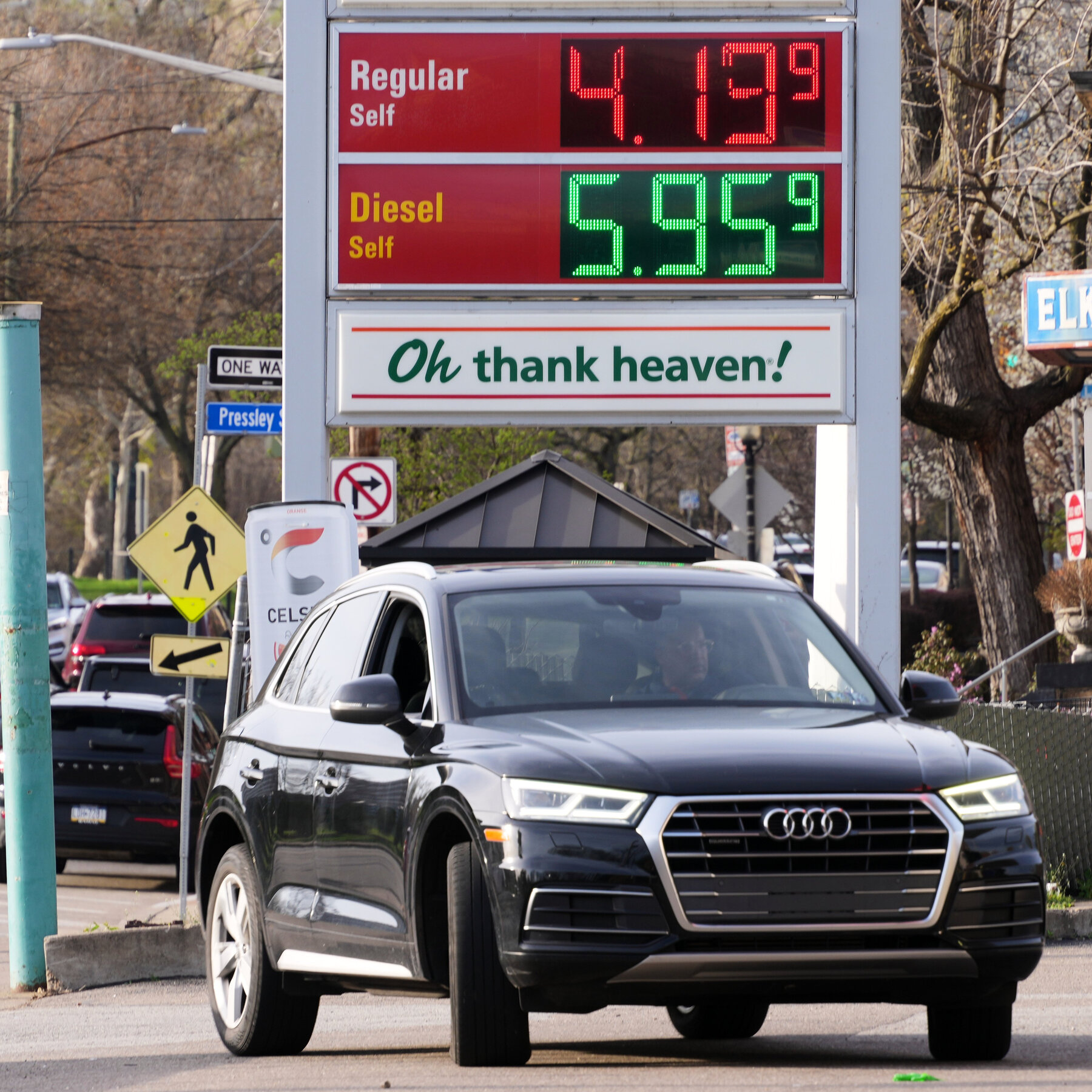
On Sunday, President Trump heightened tensions in the Middle East by publicly taunting Iranian leaders, warning them that further aggression could lead to escalated attacks if the Strait of Hormuz remained closed. This latest move by the U.S. administration has sent oil prices soaring, as global markets react to the potential for increased geopolitical instability in the region.
The Strait of Hormuz, a narrow waterway between the Persian Gulf and the Gulf of Oman, is a critical chokepoint for global oil and gas shipping. Approximately 30% of the world's daily crude oil production, around 20 million barrels, passes through this strategically vital route. The closure of the strait, even temporarily, can significantly disrupt global supply chains and drive up oil prices.
In recent weeks, tensions between the U.S. and Iran have escalated, with both sides accusing each other of aggressive actions in the region. The U.S. has blamed Iran for attacking oil tankers in the Gulf of Oman, while Iran has denied these allegations and accused the U.S. of supporting terrorist groups in the area. The latest threats from President Trump come as Iranian officials have stated that they will retaliate against any act of aggression, further fueling concerns about a potential military conflict.
The impact of these threats on oil markets has been immediate. Prices for Brent crude oil surged by over $2 per barrel, reaching a high of $66.50, as investors and traders anticipate increased uncertainty and potential disruptions in supply. Analysts warn that any further escalation in the region could lead to even more significant price increases, potentially causing global economic instability.
The Trump administration's stance on Iran has been a contentious issue, with critics arguing that the U.S. is provoking Iran unnecessarily, while supporters believe that a firm response is necessary to deter further aggression. The European Union and other international allies have called for diplomatic solutions to resolve the ongoing tensions, but the latest threats from the U.S. have raised concerns about the possibility of a military confrontation.
In response to the threats, Iranian officials have vowed to defend their territorial waters and warned that any attack would be met with a "harsh response." This has led to speculation about the potential for a full-scale conflict, with regional powers such as Saudi Arabia and the United Arab Emirates closely monitoring the situation.
As the situation unfolds, oil prices are expected to remain volatile, with traders and investors closely watching developments in the region. The global economy, heavily reliant on oil and gas, could face significant challenges if prolonged disruptions occur. Meanwhile, diplomats and policymakers around the world are urging all parties to exercise restraint and pursue peaceful negotiations to resolve the ongoing tensions.
In conclusion, President Trump's latest threats on Iran have sent shockwaves through global oil markets, causing prices to surge and increasing concerns about potential geopolitical instability in the region. The Strait of Hormuz, a critical shipping route for crude oil, remains a focal point of the ongoing conflict, with both sides prepared to escalate if necessary. As tensions rise, the international community must work together to find a diplomatic resolution to prevent further destabilization and protect global energy supplies.