Oil Seesaws After Trump’s Latest Threats on Iran
President Trump taunted Iranian leaders on Sunday, threatening to escalate attacks if the Strait of Hormuz was not reopened.
Oil markets experienced significant volatility in the wake of President Trump's latest threats directed at Iranian leaders, as tensions over the Strait of Hormuz intensified. The U.S. president's comments on Sunday underscored the ongoing geopolitical tensions in the region, prompting concerns among investors and traders about the stability of global oil supply routes.
The Strait of Hormuz, a narrow waterway between the Persian Gulf and the Gulf of Oman, is a critical chokepoint for global oil transportation. Approximately 30% of the world's crude oil, including a significant portion of Middle Eastern exports, passes through this strategically vital waterway. The strait's importance has only grown in recent years as demand for oil continues to rise, making it a focal point for geopolitical rivalries.
Trump's threats came amid heightened tensions between the U.S. and Iran, which have been simmering since the U.S. withdrew from the 2015 nuclear deal. The U.S. administration has accused Iran of threatening shipping in the region, while Tehran has denied these claims, asserting that it is the victim of U.S. aggression. The situation escalated further when the U.S. imposed new sanctions on Iranian oil, aiming to curb Tehran's revenue from its oil exports.
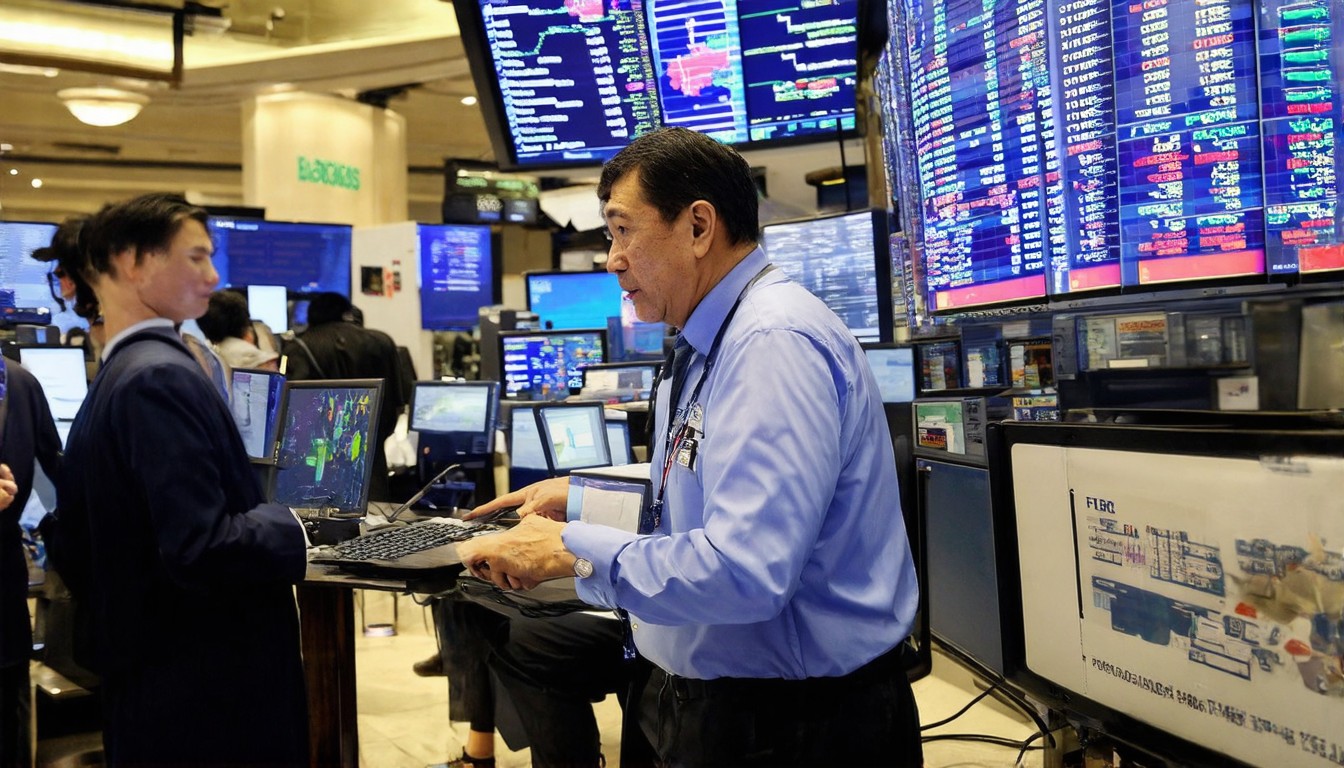
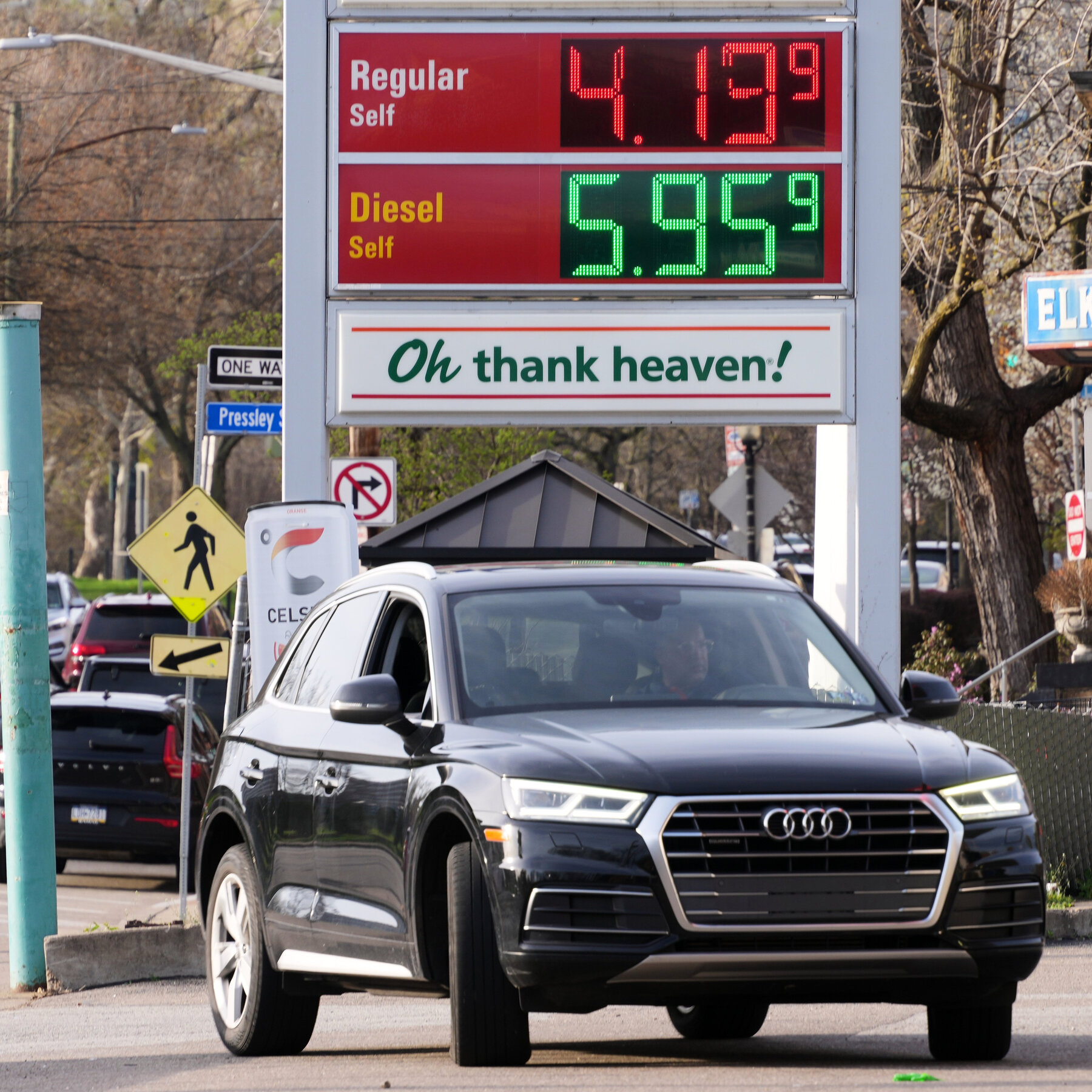
In response to these developments, oil prices surged on global markets, with Brent crude rising to a two-month high. Traders were particularly concerned about the potential for disruptions in oil supply if tensions escalated further, leading to increased volatility in the market. Analysts warned that any further escalation could have significant implications for global economies, as oil is a key input for many industries.
The Trump administration's threats have also prompted questions about the broader implications of U.S. foreign policy in the region. Critics argue that such confrontational rhetoric could lead to unintended consequences, potentially destabilizing an already volatile region. Others contend that the U.S. must take a firmer stance against Iran to counter its perceived aggression.
Iran, for its part, has dismissed the U.S. threats as bluster, emphasizing its right to defend its territorial waters. Tehran has also warned that any attack on its oil infrastructure would be met with a robust response, potentially leading to a full-scale conflict.
The situation in the Strait of Hormuz has also drawn attention to the broader challenges faced by global oil markets. As the world transitions towards more sustainable energy sources, the reliance on Middle Eastern oil remains a significant factor in global energy security. The ongoing tensions in the region highlight the need for diplomatic solutions to avoid further disruptions to global oil supply chains.
In conclusion, President Trump's latest threats towards Iran have once again brought the Strait of Hormuz into the spotlight, causing oil markets to seawash with uncertainty. The geopolitical tensions in the region continue to pose significant risks to global oil supply and economic stability. As the situation unfolds, it will be crucial for all stakeholders to navigate these challenges with caution, seeking diplomatic resolutions to prevent further escalation and ensure the continued flow of oil through this critical chokepoint.