
Oil Seesaws After Trump’s Latest Threats on Iran
President Trump taunted Iranian leaders on Sunday, threatening to escalate attacks if the Strait of Hormuz was not reopened.
On Sunday, President Trump once again heightened tensions in the Middle East by taunting Iranian leaders and threatening to escalate attacks if the Strait of Hormuz remained closed. This latest move has sent oil prices soaring, as global markets react to the potential for increased instability in the region.
The Strait of Hormuz, a narrow waterway between the Persian Gulf and the Gulf of Oman, is a critical chokepoint for global oil and gas shipping. Approximately 30% of the world's daily oil supply passes through this strategically vital route, making it a focal point for geopolitical concerns. In recent weeks, tensions in the region have escalated due to disputes between Iran and the United States, with both sides accusing each other of aggression and threatening retaliation.
Trump's threats come after a series of incidents in the region, including reports of attacks on oil tankers and the alleged downing of a U.S. drone by Iranian forces. The U.S. has blamed Iran for these incidents, while Tehran denies involvement and accuses the U.S. of provoking instability. The closure of the Strait of Hormuz, which Iran has threatened to block, has raised fears of a potential disruption to global oil supplies and a subsequent spike in prices.
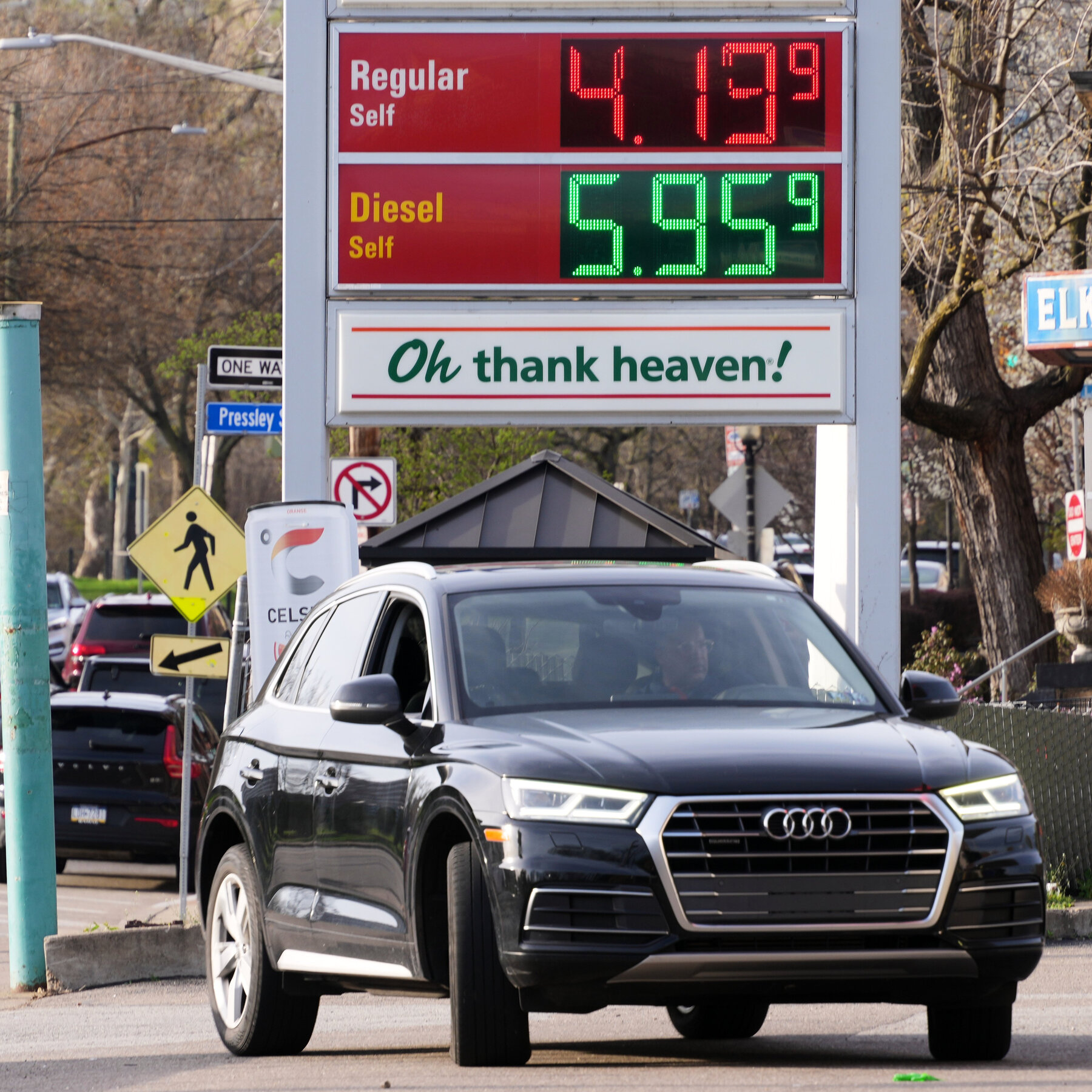
The latest escalation has not gone unnoticed by global markets. Oil prices surged in response to Trump's threats, with Brent crude rising by more than $2 per barrel, reaching its highest level in several months. Analysts warn that any further escalation could lead to significant price volatility, impacting economies worldwide.
In addition to the direct impact on oil prices, the situation also raises concerns about broader geopolitical stability. The Strait of Hormuz has been a flashpoint for decades, with past disputes leading to wars and economic sanctions. The potential for a full-scale conflict between the U.S. and Iran could have far-reaching consequences, destabilizing the region and affecting global trade and security.
Some experts argue that Trump's aggressive stance is a calculated move to pressure Iran into negotiating a deal that would curb its nuclear program and regional influence. Others suggest that the U.S. administration may be attempting to distract from domestic issues by focusing on external threats. Regardless of the motivation, the latest threats have intensified the already volatile situation in the Middle East.
Meanwhile, Iran has responded to Trump's taunts with its own threats, warning that any attack on its territory would be met with a "harsh and decisive response." This exchange of rhetoric has raised concerns among international diplomats, who are urging both sides to de-escalate and engage in dialogue.
The situation in the Strait of Hormuz is closely watched by oil-importing nations, which are keen to avoid disruptions to their energy supplies. Many countries, including China and India, are already facing high oil prices due to global economic slowdown and trade tensions. Any further escalation could exacerbate these issues, leading to inflation and economic instability.
In conclusion, President Trump's latest threats on Iran have sent oil prices soaring and intensified geopolitical tensions in the Middle East. The Strait of Hormuz remains a focal point for global concerns, with the potential for a full-scale conflict threatening to disrupt global oil supplies and destabilize the region. As both sides continue to exchange threats, the international community urgently calls for de-escalation and diplomatic engagement to avert a crisis.









