Oil prices steady as traders track report of push for Iran ceasefire
Brent crude, the global oil benchmark, traded below US$110 a barrel, shedding most of an early gain.
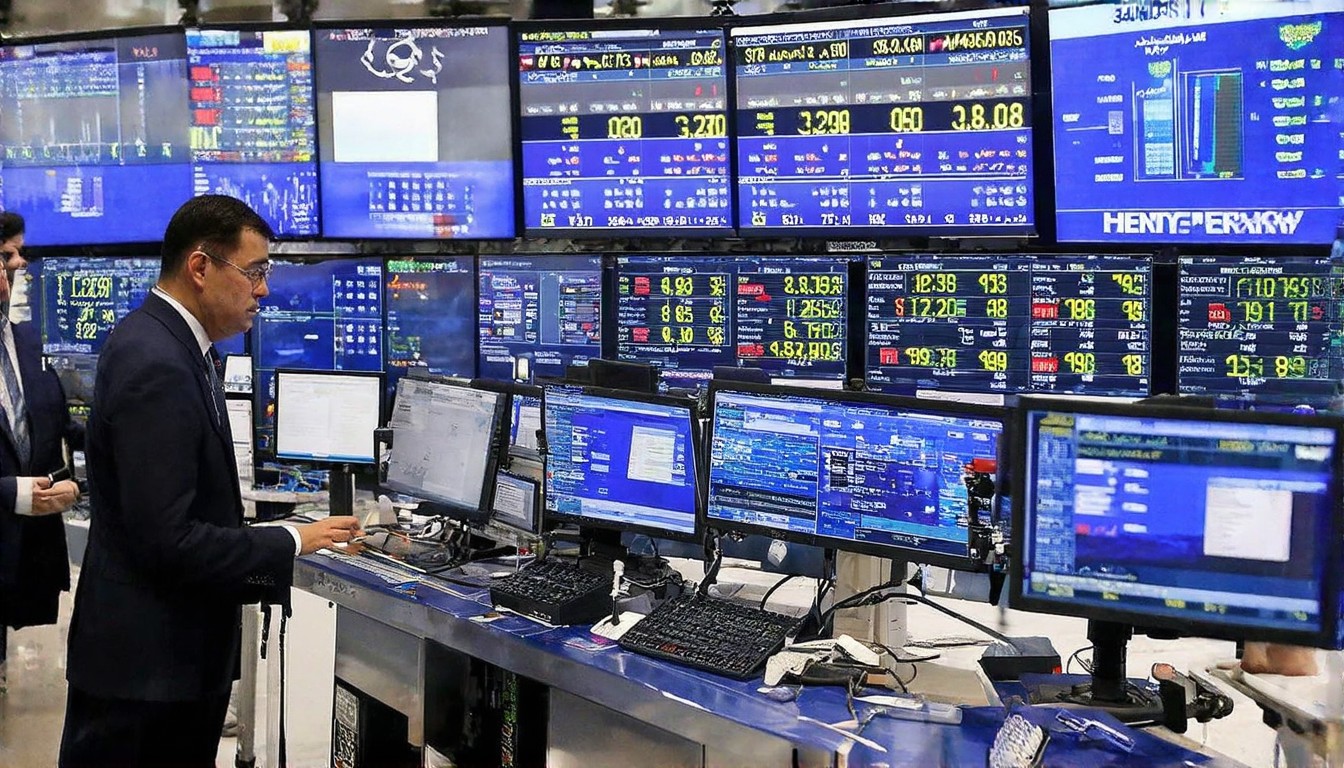
Oil prices have remained relatively steady in recent days as global traders closely monitor reports of a potential ceasefire involving Iran, a key player in the oil market. The Brent crude benchmark, which serves as a reference for pricing in the global oil market, has traded below US$110 per barrel, narrowing its early gains. This stability, however, comes amid a backdrop of ongoing geopolitical tensions and market uncertainties that have historically influenced oil prices.
The recent developments regarding a possible ceasefire in the conflict between Iran and the United States have captured the attention of traders. While no official agreement has been reached, there have been indications that both parties are exploring avenues to de-escalate the situation. This potential move has prompted speculation about its impact on oil production and supply, as Iran is one of the world's largest exporters of crude oil.
In the early hours of the trading day, Brent crude experienced a modest rally, reflecting optimism among investors about the prospect of reduced geopolitical risks. However, as the day progressed, much of this initial gain was erased, with prices settling below the US$110 threshold. Analysts suggest that this volatility is a result of traders' cautious optimism, as they await further confirmation of the ceasefire negotiations.
The situation in the Middle East has long been a significant factor in determining oil prices. In recent years, tensions between Iran and the United States have contributed to market instability, with concerns about potential disruptions to oil supply driving prices higher. The possibility of a ceasefire could alleviate some of these pressures, potentially leading to increased oil production and a more stable market.
However, it is important to note that oil prices are influenced by a multitude of factors beyond geopolitical events. Economic conditions, production levels, and storage inventories all play a role in determining market dynamics. In this context, the recent stability in Brent crude prices may also be attributed to a balance of these various factors.
Additionally, the ongoing global energy transition, which is shifting focus towards alternative energy sources, could be another contributing factor to the current price level. As countries around the world invest in renewable energy and strive to reduce their reliance on fossil fuels, the demand for oil is expected to decrease over time. This trend could help to counterbalance any potential increases in oil prices driven by geopolitical tensions.
In conclusion, while the prospect of a ceasefire involving Iran has captured the attention of traders, oil prices have remained steady, trading below US$110 per barrel. This situation highlights the complex interplay of geopolitical, economic, and environmental factors that shape the global oil market. As traders continue to monitor developments in the region, the future trajectory of oil prices will depend on a range of evolving factors, including the outcome of the ceasefire negotiations and broader shifts in global energy policies.