
Oil prices rise as Trump threats escalate before deadline
Brent crude climbed 1.4 per cent to US$111.31 a barrel, after adding 0.7 per cent the previous day.
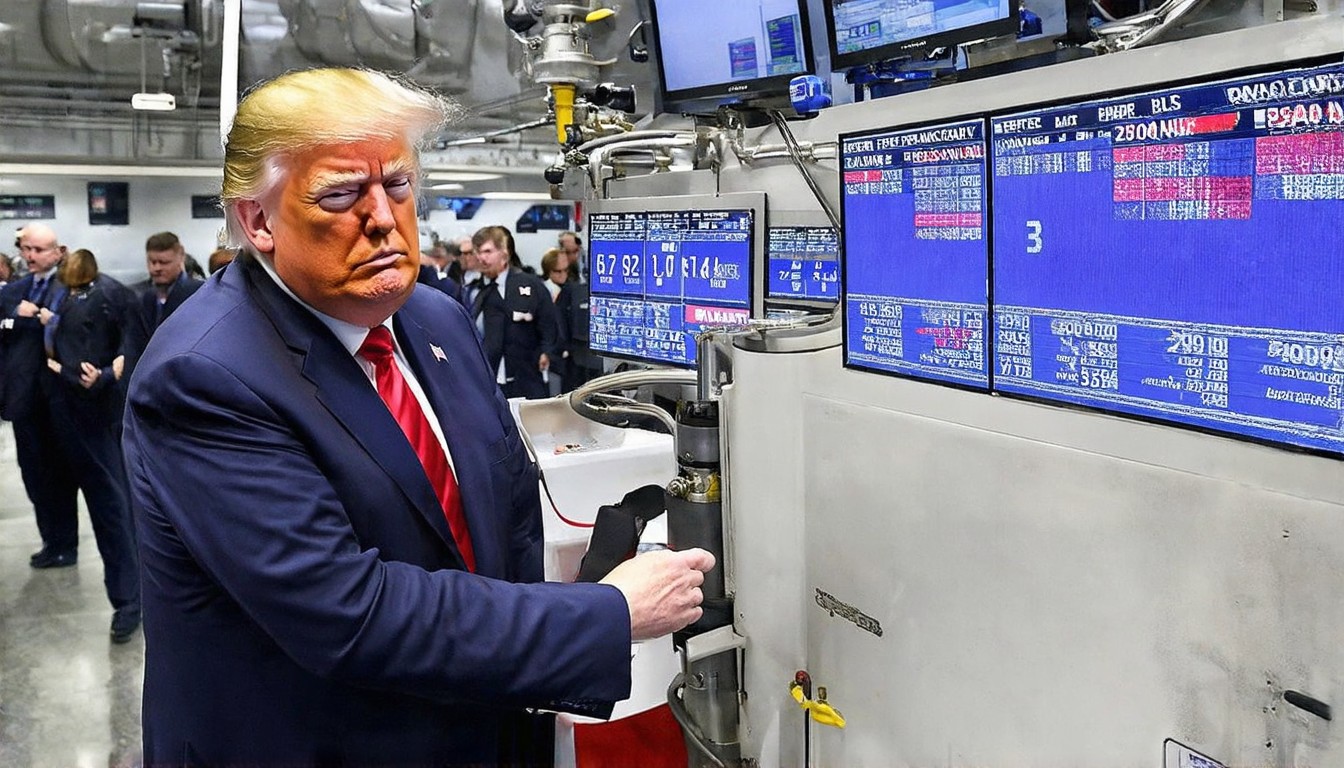
Oil prices have surged in recent days as tensions escalate following President Donald Trump's threats to release a large amount of strategic petroleum reserves (SPR) before the November 5th deadline. The move, which could potentially flood the market with an additional 50 million barrels of crude, has sent global markets into a state of heightened uncertainty.
The Brent crude oil price, a benchmark for global oil markets, rose by 1.4 percent to reach US$111.31 per barrel, following a 0.7 percent increase the day before. This sharp upward trajectory reflects the growing anxiety among investors and traders who are trying to gauge the potential impact of the SPR release on global supply and demand dynamics.
The decision to tap into the SPR comes amid a complex geopolitical landscape, with oil prices already experiencing significant volatility due to concerns over global energy security and the ongoing war in Ukraine. The threat of a sudden influx of oil from the U.S. strategic reserves has added another layer of uncertainty, prompting market participants to reassess their strategies and expectations.
Analysts have noted that the potential release of the SPR could have a significant impact on oil prices, potentially driving them down in the short term. However, the long-term effects are less clear, as the market's response could depend on various factors, including the actual volume released, the timing of the release, and how other major oil-producing nations react.
Some experts have suggested that the SPR release could serve as a buffer against potential supply disruptions, helping to stabilize prices and prevent them from reaching unsustainable levels. Others, however, have warned that the move could lead to a temporary dip in prices, which might not be in the best interest of U.S. energy producers and could ultimately result in higher prices down the line.
The escalating tensions surrounding the SPR release have also prompted discussions about the broader implications for global energy policies. Critics argue that the decision to release the reserves is a short-term fix that could undermine efforts to transition to cleaner, more sustainable energy sources. Proponents, on the other hand, contend that the move is necessary to ensure energy security and protect consumers from excessive price hikes.
As the November 5th deadline approaches, the oil market remains closely watched, with traders and investors bracing for potential volatility. The situation underscores the complex interplay between geopolitics, economic policies, and market dynamics, and serves as a reminder of the challenges faced by global energy markets in an era of rapid change and uncertainty.
In conclusion, the recent surge in oil prices is a direct result of the escalating tensions surrounding President Trump's threats to release a significant portion of the U.S. strategic petroleum reserves. With the deadline looming, the market is in a state of heightened anticipation, as traders and investors grapple with the potential implications of the move on global supply and demand. The situation highlights the intricate balance of factors that shape oil prices and the ongoing challenges faced by the global energy sector in navigating a complex and uncertain landscape.









