
Oil prices edge higher after Trump reiterates threat to bomb every bridge and power plant in Iran
President Donald Trump threatened to expand the war to include Iran's infrastructure, while at the same time saying a deal was still possible.
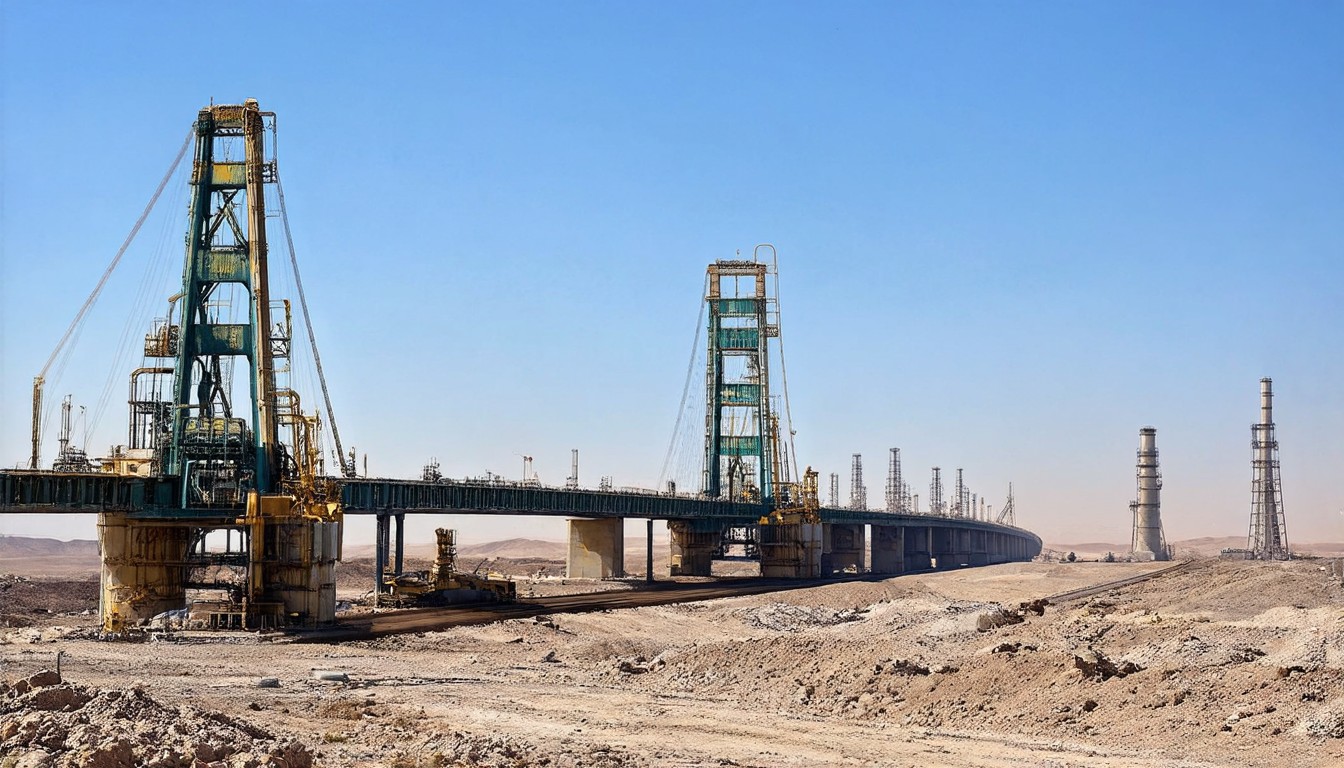
On Monday, oil prices edged higher in global markets following President Donald Trump's latest statement, in which he reiterated his threat to bomb every bridge and power plant in Iran. The escalation in rhetoric comes as tensions between the United States and Iran continue to mount, with both sides accusing each other of aggression in the region.
Trump's comments, made during a speech at the annual Conservative Political Action Conference in Washington, D.C., added to the uncertainty surrounding the future of U.S.-Iran relations. While Trump emphasized that a deal with Iran was still possible, his threat to target Iran's critical infrastructure raised concerns among investors and traders about the potential for a full-scale conflict.
The oil market has been closely monitoring the situation between the two nations, as any significant escalation could disrupt global supply chains and lead to increased prices. Iran is the world's second-largest oil producer, and any disruption to its production or export capabilities could have a significant impact on global markets.
Analysts have noted that while Trump's threat to bomb Iran's infrastructure is a strong rhetorical move, it is unclear whether such an action would be feasible or effective. Iran has a vast network of bridges and power plants, many of which are strategically located and heavily defended. Additionally, any military action could lead to retaliatory measures from Iran, potentially escalating the conflict further.
Despite Trump's threats, there are still hopes for a diplomatic resolution to the ongoing tensions. Both the United States and Iran have indicated a willingness to engage in negotiations, with some experts suggesting that a deal could be reached in the near future. However, the recent rhetorical escalation has made it clear that both sides are prepared to take a hard line, which could complicate any diplomatic efforts.
In the meantime, oil prices have risen as investors and traders anticipate potential disruptions to supply. The Organization of the Petroleum Exporting Countries (OPEC) has been closely monitoring the situation, with its members committed to maintaining stable oil markets. However, any significant disruption to Iranian production could lead to further price increases, as OPEC and other producers struggle to fill the gap.
The situation in the Middle East remains complex, with multiple regional and international actors vying for influence. As tensions between the United States and Iran continue to escalate, the future of global oil markets and regional stability hangs in the balance. Traders and investors will be closely watching any developments, as they could have a significant impact on global economies and geopolitical dynamics.
In conclusion, President Trump's threat to bomb Iran's infrastructure has led to an increase in oil prices as markets react to the heightened tensions. While a diplomatic resolution remains possible, the recent rhetorical escalation has underscored the potential for a full-scale conflict, which could have far-reaching consequences for global oil markets and regional stability. As the situation continues to develop, it will be crucial for all stakeholders to remain vigilant and prepared for a range of possible outcomes.








