
Oil prices choppy after expletive-laden Trump threat to Iran
Brent crude rose above $110 then eased as the US and Iran traded plans for a potential ceasefire.
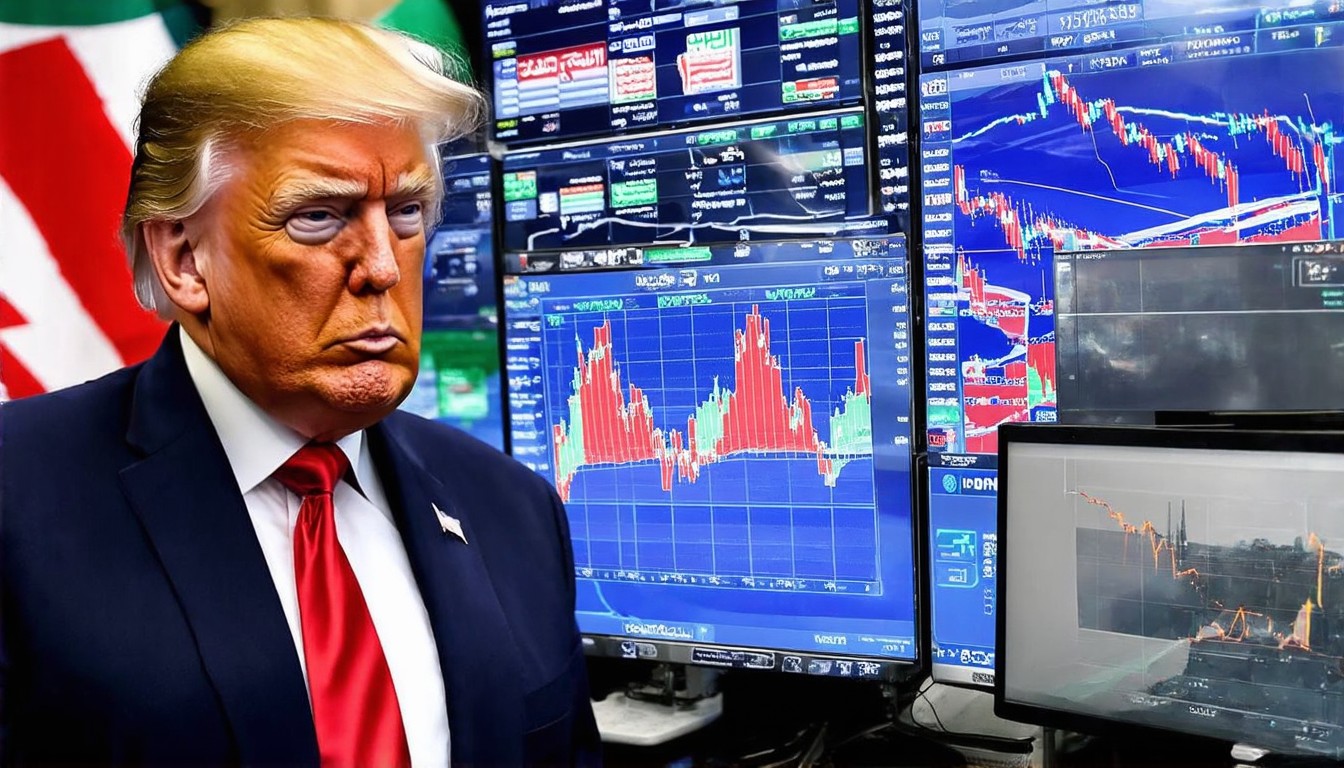
Oil prices experienced significant volatility in recent days following a series of escalating tensions between the United States and Iran. The situation began when former US President Donald Trump unleashed a string of expletive-laden tweets, threatening retaliation against Iran if it were to retaliate against US interests in the Middle East. These aggressive statements sent shockwaves through global markets, particularly those focused on energy.
Initially, the Brent crude oil price surged above $110 per barrel, reflecting investor concerns about potential disruptions to global oil supply. The Strait of Hormuz, a critical chokepoint for oil transportation, has long been a flashpoint in US-Iran relations, and the prospect of increased tensions in the region raised fears of potential blockages or attacks on shipping lanes. This, in turn, could have severe implications for global oil markets, as the Strait accounts for about 30% of the world's oil exports.
However, the situation began to evolve as the US and Iran engaged in back-and-forth diplomatic maneuvers. Reports emerged of potential ceasefire agreements, with both sides expressing cautious optimism about de-escalating the situation. These developments led to a temporary easing of tensions, which in turn caused the Brent crude price to stabilize and even dip slightly below the $110 threshold.
Despite the temporary respite, analysts remain cautious, noting that the situation remains precarious. The recent flare-up underscores the ongoing geopolitical risks that can impact oil markets. The Organization of the Petroleum Exporting Countries (OPEC) and other key players have closely monitored the situation, ready to respond to any further developments.
In the background, the global oil market is already facing challenges, including the ongoing recovery from the pandemic-induced recession and the gradual phase-out of fossil fuels in favor of renewable energy sources. The volatility caused by the US-Iran tensions adds an additional layer of uncertainty, complicating efforts to predict long-term oil prices and market trends.
Moreover, the situation has broader implications for global geopolitics. The US and Iran have a complex history of conflict, dating back to the 1979 Iranian Revolution and the subsequent hostage crisis. Recent tensions have been fueled by disputes over nuclear agreements, regional influence, and the treatment of US interests in Iran. Any ceasefire agreement would need to address these underlying issues, which may prove challenging.
In conclusion, the recent spike in oil prices due to US-Iran tensions highlights the vulnerability of global energy markets to geopolitical uncertainties. While temporary ceasefire plans have led to a stabilization of prices, the situation remains fraught with risks. As both nations navigate their contentious relationship, the world watches closely, eager for any signs of lasting peace that could bring about more predictable conditions in the oil market.








