Oil crisis pushes Philippine inflation to 4.1%, transport costs surge
The Philippines’ inflation rate spiked to 4.1% in March 2026 due to a rapid rise in transport costs, the Philippine Statistics Authority said on Tuesday.
The Philippines' inflation rate surged to 4.1% in March 2026, marking the highest level in nearly a decade, as soaring transport costs became a major driver of price increases, according to the Philippine Statistics Authority (PSA). This dramatic rise in inflation underscores the challenges faced by the country's economy amidst the ongoing global oil crisis and its ripple effects on energy and logistics.
The PSA's preliminary data revealed that the inflation rate in March was significantly higher than the 3.3% recorded in February, with transport costs contributing the most to the surge. The authority attributed the sharp increase in transport costs to the global spike in oil prices, which has had a direct impact on fuel prices and, consequently, the cost of goods and services across the country.
The global oil crisis, exacerbated by geopolitical tensions and supply chain disruptions, has led to a sharp rise in crude oil prices, which in turn has driven up the cost of fuel in the Philippines. This has had a domino effect on various sectors, including transportation, logistics, and retail, as businesses struggle to absorb the increased costs.
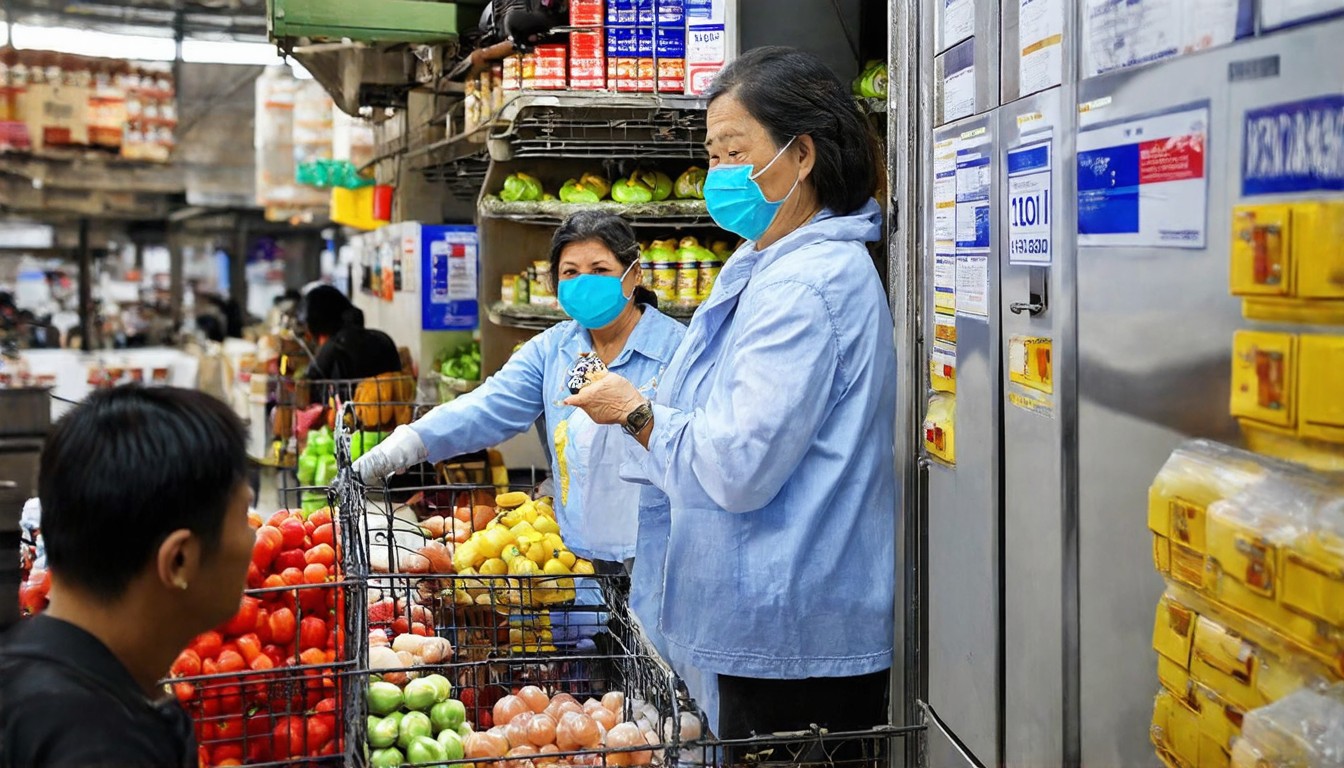
In addition to transport costs, the inflation rate was also influenced by rising prices in the food and non-food categories. The PSA noted that food prices increased by 3.8% in March, with staple items such as rice and noodles experiencing significant price hikes. The non-food category saw an increase of 4.5%, with electricity and gas prices contributing to this surge.
The Philippine government has been closely monitoring the situation, recognizing the potential impact on households and businesses. The Bangko Sentral ng Pilipinas (BSP), the central bank, has been working to maintain price stability and support economic growth. However, the ongoing oil crisis and its effects on global markets pose significant challenges to the country's economic policies.
The spike in inflation has raised concerns among policymakers and economists, who are urging the government to implement measures to mitigate the impact on consumers and businesses. This includes measures to stabilize fuel prices, support the agricultural sector, and ensure the availability of essential goods.
The Philippine Statistics Authority's data highlights the need for a coordinated response from the government to address the inflationary pressures. As the global oil crisis continues to persist, the country must find ways to diversify its energy sources and reduce its dependence on imported fuels. This could involve investing in renewable energy, improving domestic production of essential commodities, and enhancing energy efficiency in various sectors.
In the meantime, the government should work closely with stakeholders to ensure that the inflationary pressures do not lead to a significant decline in consumer spending or a slowdown in economic growth. This may involve adjusting fiscal policies, providing support to vulnerable households, and promoting competition in the market to prevent excessive price hikes.
The Philippines' inflation rate reaching 4.1% in March 2026 is a stark reminder of the challenges posed by the global oil crisis. As the country navigates these economic challenges, it must find sustainable solutions to address inflation and ensure the well-being of its citizens. The government's ability to respond effectively to these pressures will be crucial in maintaining economic stability and fostering long-term growth.