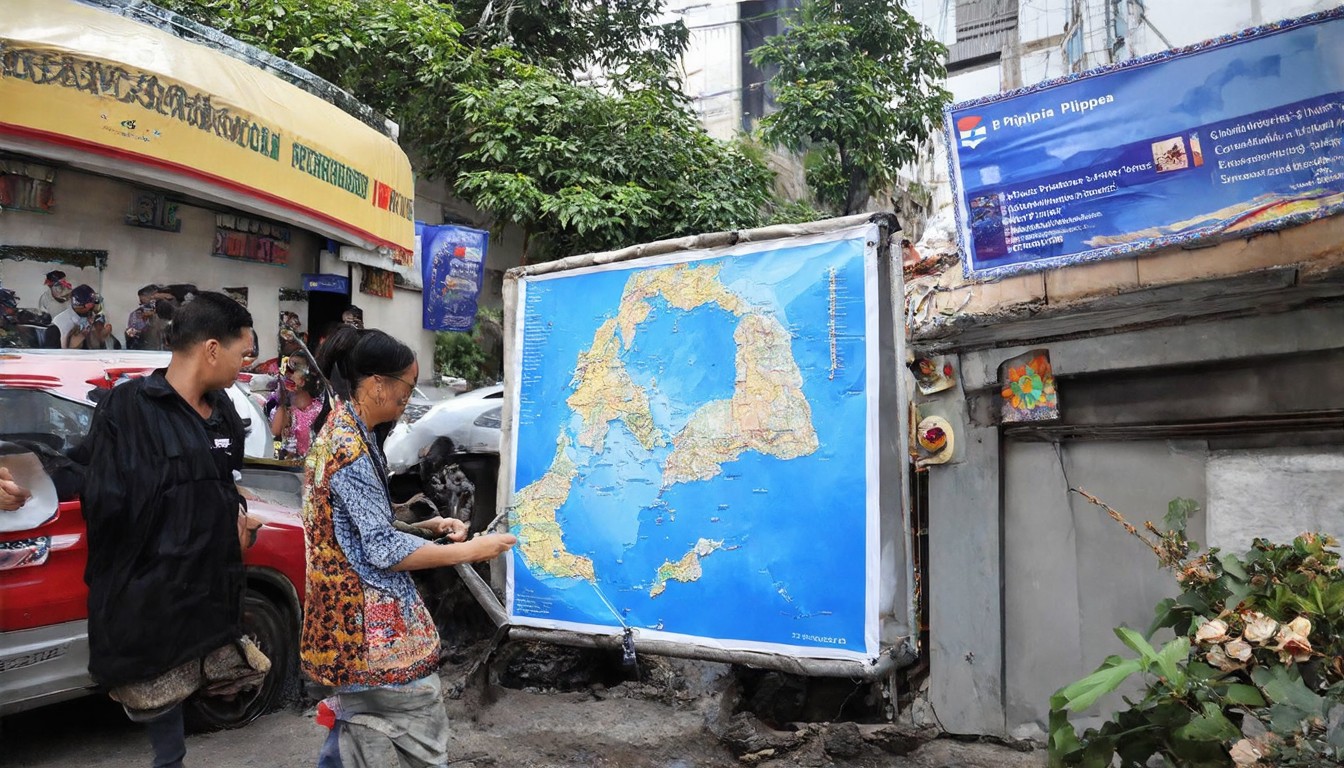
Offbeat Wall Street research firm says it sent an analyst to Strait of Hormuz. Here's what they learned
Before the U.S and Israel began their war against Iran, about 20% of the world's oil was shipped through the narrow Strait of Hormuz.
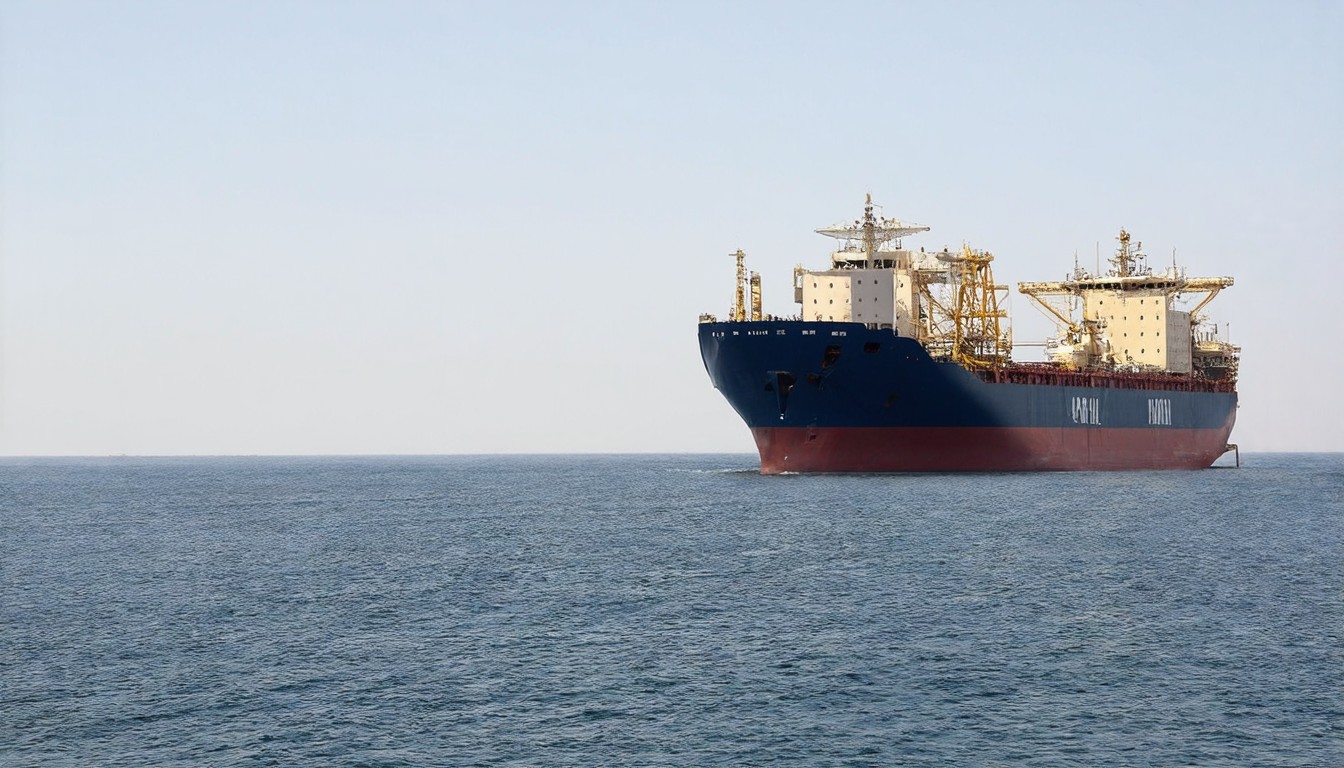
In a surprising turn of events, an offbeat Wall Street research firm has dispatched an analyst to the strategically significant Strait of Hormuz, a narrow waterway connecting the Persian Gulf to the Gulf of Oman. The move comes as tensions between the U.S., Israel, and Iran have escalated, raising concerns about potential disruptions to global oil supplies.
The Strait of Hormuz has long been a critical chokepoint for international trade, with approximately 20% of the world's oil passing through it before the recent escalation of tensions. This makes the strait a focal point for geopolitical strategies and a potential flashpoint for conflict. The research firm, known for its unconventional approach to market analysis, decided to send an analyst to the region to gain firsthand insights into the potential impacts of any disruptions on global oil markets.
The analyst's mission was to assess the feasibility of alternative shipping routes and the resilience of existing infrastructure. They visited key ports and met with industry experts to understand how a potential blockade or conflict might affect global supply chains. The findings suggest that while alternative routes exist, they are often more expensive and less efficient, potentially leading to significant price increases for consumers worldwide.
One of the key takeaways from the analyst's visit was the vulnerability of the strait itself. The narrow waterway, only about 33 kilometers wide at its narrowest point, is highly susceptible to blockades or attacks. This makes it a prime target for any party seeking to disrupt global oil supplies. The analyst noted that even a temporary closure could have severe consequences for global economies, particularly in regions heavily reliant on imported oil.
The research firm's report also highlights the geopolitical complexities surrounding the Strait of Hormuz. The body of water is shared by several nations, including Iran, the United Arab Emirates, and Oman, each with their own interests and concerns. The analyst observed that while diplomatic efforts are underway to mitigate tensions, the potential for conflict remains high.
In addition to the geopolitical risks, the analyst also explored the environmental implications of increased oil transportation through alternative routes. They found that diverting such a significant volume of oil through other pathways could lead to increased emissions and further strain on marine ecosystems. This raises questions about the broader impact of any disruptions in the Strait of Hormuz on both economic and environmental fronts.
The research firm's findings have prompted a reevaluation of investment strategies among oil companies and traders. Many are now considering contingency plans to ensure supply chain continuity. The analyst's insights have also been shared with policymakers, who are grappling with the potential consequences of any disruptions to global oil markets.
In conclusion, the offbeat Wall Street research firm's mission to the Strait of Hormuz has provided valuable insights into the complexities of this critical chokepoint. The findings underscore the need for preparedness and diversification in global oil supply chains, as well as the potential for significant geopolitical and environmental ramifications if the strait were to be disrupted. As tensions between key players continue to rise, the lessons learned from this unique analysis are likely to shape future decision-making in the oil and trading sectors.