Home HealthOdisha cabinet approves 11.25% SEBC quota, hikes S...
HealthтнР Featured

Odisha cabinet approves 11.25% SEBC quota, hikes SC/ST reservation

Odisha Cabinet approves 11.25% SEBC quota and raises SC/ST reservation in medical and technical courses across state institutions.
5 April 2026 at 09:17 pm
1 views
Odisha cabinet approves 11.25% SEBC quota, hikes SC/ST reservation

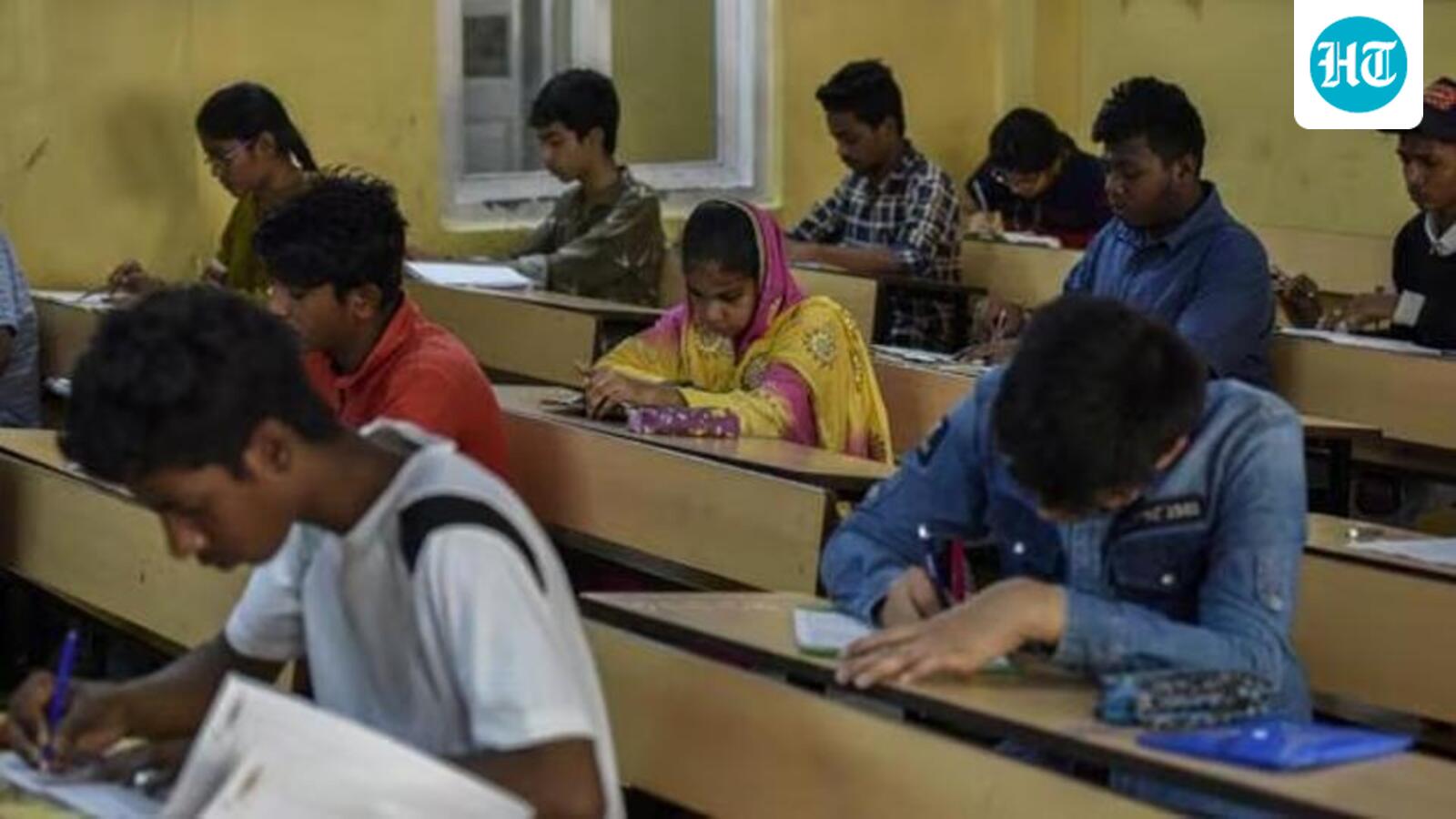
The Odisha Cabinet has recently approved a significant policy change, introducing a 11.25% reservation for economically backward communities (SEBC) and increasing the reservation percentage for scheduled castes (SC) and scheduled tribes (ST) in medical and technical courses across state-run institutions. This move is expected to reshape the educational landscape in the state, aiming to address socio-economic disparities and promote equitable access to higher education.

The decision to introduce the SEBC quota follows a long-standing demand from various stakeholders, including political parties, civil society organizations, and the general public. The 11.25% reservation is a substantial increase from the previous allocation, reflecting the government's commitment to addressing the challenges faced by economically disadvantaged communities. This policy is part of a broader effort to ensure that students from these communities have equal opportunities to pursue higher education, which is crucial for their socio-economic advancement.

In addition to the SEBC quota, the Odisha government has also decided to raise the reservation percentage for SC and ST students in medical and technical courses. This move is aimed at addressing the underrepresentation of these communities in these fields, which are critical for the state's development. By increasing the reservation percentage, the government hopes to encourage more students from SC and ST backgrounds to pursue careers in medicine and technical disciplines, thereby ensuring a more diverse and representative workforce.

The approval of these reservation policies has been met with mixed reactions from various sections of society. Supporters argue that these measures are necessary to address systemic inequalities and ensure that marginalized communities have access to quality education. They also highlight that such reservation policies have been proven effective in other states and countries, leading to significant improvements in educational outcomes for disadvantaged groups.

On the other hand, critics argue that reservation policies can lead to a lack of meritocracy and may hinder the overall quality of education. They also express concerns about the potential for increased competition among different communities for limited seats, which could exacerbate social tensions. Additionally, some argue that the focus on reservation policies may divert attention and resources away from addressing the root causes of socio-economic disparities, such as poverty, lack of infrastructure, and inadequate educational facilities.

Despite these concerns, the Odisha government remains committed to implementing these policies, citing the importance of social justice and equitable development. The government has emphasized that the reservation policies are a temporary measure, designed to address immediate challenges and create a more inclusive educational system. It is hoped that these policies will pave the way for long-term development and help to reduce the gap between different communities in the state.

The implementation of these reservation policies will require careful planning and coordination between the state government, educational institutions, and various stakeholders. It is essential that the policies are effectively communicated and that institutions are adequately prepared to accommodate the increased number of students from reserved categories. Additionally, the government must ensure that the implementation of these policies does not lead to any form of discrimination or unfair treatment of students from other communities.

In conclusion, the Odisha Cabinet's decision to approve a 11.25% SEBC quota and raise SC/ST reservation in medical and technical courses is a significant step towards promoting educational equity and addressing socio-economic disparities in the state. While the policy change has been met with mixed reactions, it is crucial to recognize the potential benefits of these measures in creating a more inclusive and equitable educational system. The successful implementation of these policies will require careful planning, coordination, and ongoing evaluation to ensure that they achieve their intended goals and contribute to the overall development of Odisha.

ЁЯУ░ Related News
The Rise and Sudden Fall of OpenAIтАЩs Sora
OpenAIтАЩs abrupt decision to shut down its AI video generation app, Sora, just 103 days after launch has sparked widespread debate about the companyтАЩs strategic direction and financial health. Despite a $1 billion partnership with Disney and a viral debut thatтАж
13 Apr
St. LukeтАЩs stays on track with massive expansion
St. Luke’s Medical Center continues to absorb higher costs brought about by the ongoing Middle East crisis as much as it can, with the company staying on track with massive investments for expansion and technology upgrades.
7 Apr
Granulated Lime vs. Bulk Lime: WhatтАЩs the Difference?
Understanding the type of lime required for your soil can significantly impact your crop yield and overall soil health.
7 Apr
Can surgery used to treat fluid accumulation also help with AlzheimerтАЩs? A Singapore trial is exploring this possibility
Early results from a small clinical trial at Changi General Hospital suggest the technique could lead to improvements in memory, mood and cognition.
7 Apr
Famers hear how to тАШLook after your health and your herdтАЩ at latest meeting of Grassland Club
The members of Fermanagh Grassland Club were in for a treat in March when eminent qualified doctor and vet, Professor Patrick Wall, Dublin, was the speaker at their meeting in the Killyhevlin Hotel, Enniskillen.
7 Apr
ICMSA: HSA rules on telescopic telehandlers тАШway over the topтАЩ
The vast majority of farmers are completely unaware that training is now required under Health and Safety Authority (HSA) telescopic telehandlers rules, according to farm organisation. Pat OтАЩBrien, chairperson of the farm business committee for the Irish Creamery Milk Suppliers Association (ICMSA) has criticised requirements for training from the Health and Safety Authority (HSA). Under […] The post ICMSA: HSA rules on telescopic telehandlers ‘way over the top’ appeared first on Agriland.ie .
7 Apr
ICSA: тАШAdditional supportтАЩ needed for bluetongue vaccination
Bluetongue vaccination must be supported as “an additional measure” and not at the expense of core animal health actions, the Irish Cattle and Sheep Farmers’ Association (ICSA) has warned. Last month the Minister for Agriculture, Food and the Marine, Martin Heydon said that vaccination against bluetongue virus would be included as an “option” for farmers […] The post ICSA: ‘Additional support’ needed for bluetongue vaccination appeared first on Agriland.ie .
7 Apr
AWS Weekly Roundup: Amazon Connect Health, Bedrock AgentCore Policy, GameDay Europe, and more (March 9, 2026)
Fiti AWS Student Community Kenya! Last week was an incredible whirlwind: a round of meetups, hands-on workshops, and career discussions across Kenya that culminated with the AWS Student Community Day at Meru University of Science and Technology, with keynotes from my colleagues Veliswa and Tiffany, and sessions on everything from GitOps to cloud-native engineering, and [тАж]
7 Apr
Farm accident survivor welcomes requirements for use of telehandlers
A farm accident survivor originally from Co. Sligo has welcomed the stringent requirements outlined by the Health & Safety Authority for the use of telehandlers, sometimes called teleporters. It follows comments made earlier this week by the Irish Creamery Milk Suppliers’ Association (ICMSA) claiming that the requirements were “over the top”. Such commentary has been […] The post Farm accident survivor welcomes requirements for use of telehandlers appeared first on Agriland.ie .
7 Apr
Sabah bans export and import of some local freshwater fish, including koi, after virus outbreak
Mr Jamawi said such actions violated biosecurity principles and caused infections among native species.
7 Apr