
Odds of US forces entering Iran by April 30 surge to 86% amid escalating tensions
Rising odds of U.S. military action in Iran highlight escalating geopolitical tensions, potentially destabilizing regional and global security dynamics. The post Odds of US forces entering Iran by April 30 surge to 86% amid escalating tensions appeared first on Crypto Briefing .
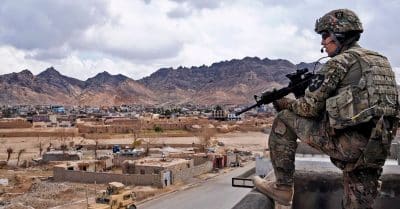
The odds of U.S. military forces entering Iran by April 30 have surged to an unprecedented 86%, reflecting the rapidly escalating tensions between the two nations. This dramatic increase in the likelihood of military action highlights the growing instability in the region and its potential ripple effects on global security dynamics.
In recent weeks, tensions between the United States and Iran have intensified significantly, with both sides engaging in provocative actions and rhetoric. The U.S. has accused Iran of supporting terrorist groups and destabilizing efforts in the Middle East, while Iran has responded with threats of retaliation against U.S. interests in the region. This volatile situation has raised concerns among analysts and policymakers about the potential for a full-scale conflict.
The surge in the odds of U.S. military intervention in Iran is based on a combination of factors, including the recent escalation of violence in the region, increased threats from Iranian-backed militias, and the U.S. administration's determination to assert its influence in the Middle East. Additionally, the U.S. has been bolstering its military presence in the region, deploying additional troops and assets to deter potential aggression from Iran.
The potential entry of U.S. forces into Iran would not only have significant implications for the Middle East but could also destabilize global security dynamics. The region is already facing numerous challenges, including political instability, economic hardships, and ongoing conflicts. A full-scale military engagement between the U.S. and Iran could exacerbate these issues, leading to further regional instability and potentially triggering a broader conflict that involves other nations.
Furthermore, the escalation of tensions between the U.S. and Iran could have ripple effects on global markets, particularly in the energy sector. Iran is a major producer of oil and natural gas, and any disruption to its production or export capabilities could lead to significant price increases and economic instability worldwide.
In addition to the geopolitical and economic implications, the potential U.S. military intervention in Iran could also have humanitarian consequences. The region has already experienced widespread suffering due to ongoing conflicts and political instability. A full-scale military engagement could lead to further loss of life, displacement of populations, and the worsening of humanitarian crises.
As the odds of U.S. military action in Iran continue to rise, there is a growing call for diplomatic solutions to address the underlying issues driving the escalation of tensions. Both the U.S. and Iran must engage in meaningful dialogue to find a path forward that promotes stability and security in the region. However, given the current trajectory of events, it remains unclear whether such diplomatic efforts will be successful in preventing a full-scale conflict.
In conclusion, the surge in the odds of U.S. military forces entering Iran by April 30 underscores the volatile and precarious state of geopolitical tensions in the region. The potential for a full-scale conflict between the U.S. and Iran could have far-reaching consequences for the Middle East, global security, and economic stability. As the situation continues to evolve, it is crucial for all stakeholders to remain vigilant and pursue diplomatic avenues to de-escalate the situation and promote long-term stability in the region.









