
Observatoires at Musée d’Art et d’Histoire
Museum director Marc-Olivier Wahler and artist-curator John Armleder collaborate for a third time with Observatoires at the Geneva-based museum Giving carte blanche to art curators and observing the audience, their behavior and …
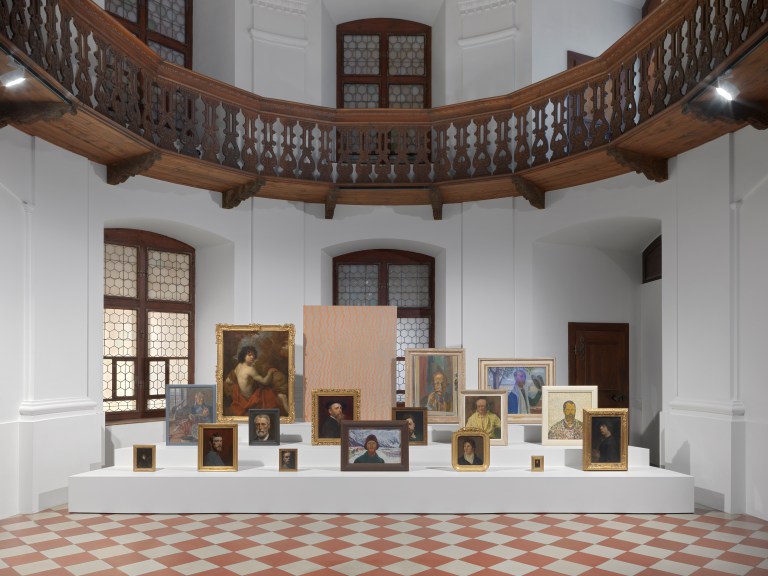
At Geneva’s Musée d’Art et d’Histoire (MAH), the traditional boundaries of a museum are being reimagined through a unique collaboration between director Marc-Olivier Wahler and artist-curator John Armleder. Their third joint project, Observatoires, challenges the conventional role of curators and invites visitors to engage with the space in unexpected ways.
Marc-Olivier Wahler, who was previously the director of Paris’ Palais de Tokyo, has a vision for MAH that goes beyond its traditional function as a repository of cultural heritage. He sees museums as dynamic ecosystems that can evolve and adapt to the changing needs of society. This forward-thinking approach is evident in his decision to collaborate with John Armleder, a Swiss artist known for his playful and conceptual work that blends elements of Fluxus, Dadaism, and Abstract Expressionism.
The Observatoires exhibition, curated by Armleder, is a testament to the power of giving curators carte blanche. By entrusting Armleder with the freedom to shape the exhibition, Wahler has created a space where the audience’s behavior and interactions can be observed and celebrated. This shift in perspective transforms the museum into a living entity, where the art and the people who view it coexist in a symbiotic relationship.
One of Armleder’s first initiatives for the exhibition was to install a massive, spinning disco ball in the museum’s entrance. This seemingly playful addition not only altered the way visitors experienced the space but also highlighted the potential for humor and surprise in curation. The disco ball, which has become a focal point of the exhibition, invites visitors to pause and reconsider their expectations of a museum.
Wahler’s dedication to MAH is matched by his entrepreneurial spirit. He envisions a future where the museum undergoes a complete renovation and re-invention, challenging the outdated schemas that have long defined the museum-going experience. “In a few years, we plan on shutting down the museum for a complete renovation and total re-invention. I’m talking about subverting a very obsolete scheme,” Wahler says.
The collaboration between Wahler and Armleder is not just a one-time experiment. It reflects a broader trend in the museum world, where institutions are increasingly recognizing the value of curatorial autonomy and audience engagement. By prioritizing these elements, MAH is positioning itself as a forward-thinking cultural institution that is ready to embrace the challenges and opportunities of the 21st century.
As visitors step into Observatoires, they are invited to question their preconceptions about museums and the role of art within them. The exhibition’s emphasis on observation and interaction encourages a more participatory relationship between the audience and the space, transforming the traditional viewer into an active participant in the cultural experience.
In the coming years, as MAH undergoes its transformation, the legacy of Observatoires will undoubtedly serve as a blueprint for how museums can adapt and evolve. The collaboration between Wahler and Armleder not only redefines the role of curators but also reimagines the potential of museums as dynamic, ever-changing spaces that reflect the complexities and nuances of contemporary society.
The Musée d’Art et d’Histoire, through its innovative approach to curation and audience engagement, is poised to become a beacon of cultural exploration and discovery in Geneva and beyond. Observatoires, a product of the creative partnership between Marc-Olivier Wahler and John Armleder, is a testament to the power of collaboration and the limitless possibilities that lie ahead for the future of museums.









