Nuclear Startups Eye Cold War Plutonium Amidst Fuel Scramble
As nuclear energy gains renewed global interest, emerging startups are reportedly in advanced talks to acquire Cold War-era plutonium, signaling intensifying competition for vital nuclear fuel resources amidst complex geopolitical landscapes and concentrated s

The global energy landscape is witnessing a profound shift, with nuclear power rapidly regaining prominence as a crucial component of national energy strategies. This renewed interest fuels intense competition for vital nuclear fuel resources. Reports suggest several emerging nuclear startups are now in advanced negotiations to acquire Cold War-era plutonium, highlighting the complex and sensitive nature of securing fuel. This signals growing urgency within the sector to diversify supply amidst a tightening market.
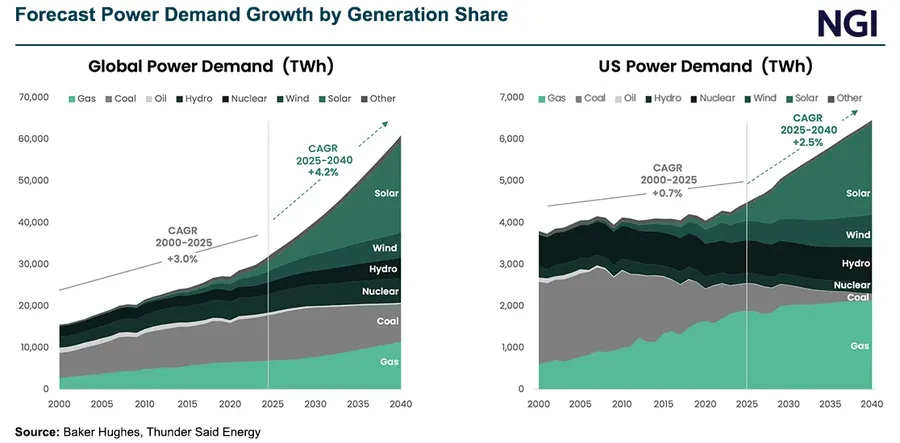
Nuclear energy's resurgence directly responds to pressing global challenges. The world faces compounding energy crises from geopolitical conflicts disrupting supply, the urgent need for cleaner energy due to climate change, and the exponential power demands of artificial intelligence. In this volatile environment, nuclear power has re-emerged as a strategic option, offering nations a path to bolster energy security and achieve greater independence from fossil fuel markets.
The reported advanced negotiations by nuclear startups for Cold War plutonium serve as a stark indicator of heightened competition. While specific details remain undisclosed, tapping into historical, potentially sensitive, stockpiles underscores current market dynamics. It suggests conventional supply routes may be insufficient or too precarious for the anticipated surge in demand for nuclear projects. This development could represent a strategic effort by startups to secure foundational fuel, bypassing or supplementing traditional, often monopolized, supply chains.
A significant challenge for the global nuclear energy sector lies in its highly concentrated fuel supply chains. Unlike diversified energy markets, nuclear fuel production, processing, and enrichment are largely controlled by a limited number of entities and nations. This concentration creates inherent vulnerabilities, as disruptions to this intricate chain can have far-reaching consequences for global energy stability. Reliance on a few key players introduces risks nations are increasingly keen to mitigate.
Adding complexity is Russia's reported influence over a substantial portion of these critical nuclear fuel supply chains. In the current geopolitical climate, where international relations are often strained, such concentrated control presents significant tradeoffs for nations. Countries expanding nuclear energy capacity for security may find themselves navigating a delicate balance, weighing ambitions against reliance on potentially volatile suppliers. This necessitates careful diplomatic engagement and strategic planning for long-term stability.
Further exacerbating supply chain concerns is the reported scarcity of critical infrastructure. According to the source, only five plants globally are central to certain nuclear fuel cycle aspects. While their precise function isn't specified, their limited number implies a severe bottleneck in global capacity for processing or producing essential nuclear materials. This extreme concentration makes the entire supply chain vulnerable to disruptions, intensifying competition for these vital operations' output.
For nations worldwide, these developments have profound implications. The pursuit of energy independence, a national security priority, becomes significantly more challenging when fuel sources are subject to concentrated control and geopolitical influence. Governments are likely exploring strategies like fostering domestic capabilities, diversifying procurement, and investing in advanced reactor technologies. The reported Cold War plutonium negotiations could be an unconventional, yet pragmatic, approach to circumvent existing bottlenecks.
The broader context of this nuclear resurgence is the global effort to transition from carbon-intensive energy. Nuclear power, with its capacity for continuous, large-scale, low-carbon electricity, is seen as indispensable for meeting climate targets and powering modern economies, including AI's burgeoning demands. However, securing a stable and diversified fuel supply underscores that the path to a nuclear-powered future involves strategic complexities beyond technological innovation.
The strategic imperative for nations is clear: secure reliable, independent energy sources. This drive pushes the nuclear industry into uncharted territory, considering historical stockpiles as viable options. The reported negotiations for Cold War plutonium reflect a dynamic market responding to urgent global needs, also highlighting legacy challenges of nuclear materials management and the need for robust international frameworks for safety, security, and non-proliferation amidst increasing commercial interest.
In conclusion, the reported advanced negotiations by nuclear startups for Cold War plutonium mark a critical juncture in global energy security. It underscores the profound shift towards nuclear power as a strategic asset, driven by multifaceted energy crises and technological advancements. This also highlights the inherent vulnerabilities of a highly concentrated fuel supply chain, its geopolitical complexities, and the urgent need for innovative, secure, and diversified approaches to fuel procurement.