‘Not a talking point. It's my soul’: Raghav Chadha defends record on Punjab in Parliament after AAP criticism
Raghav Chadha shared a compilation of his speeches, saying, “To my colleagues in AAP who were forced to issue videos”, claiming he failed to raise Punjab issues
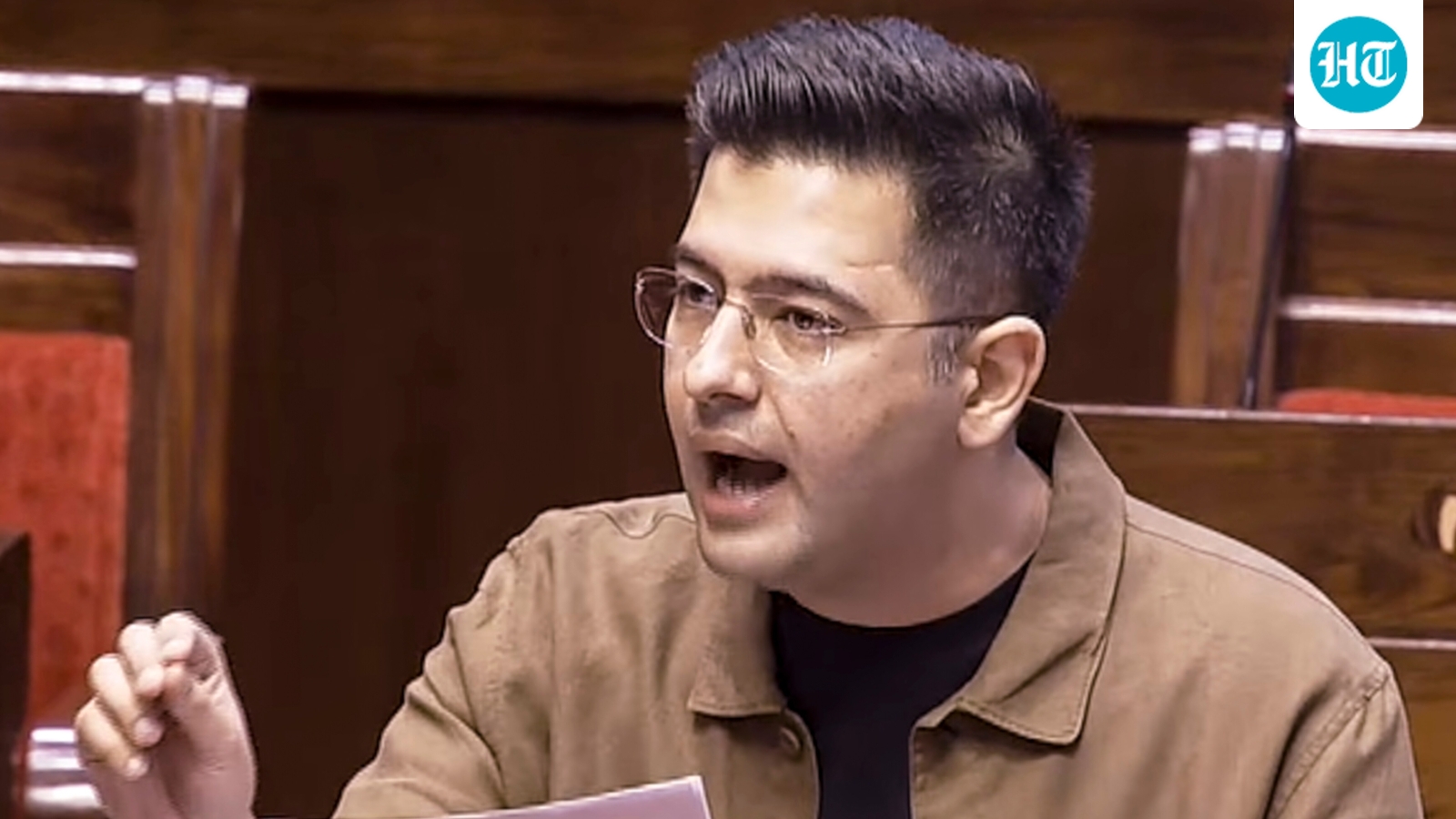
In a recent parliamentary session, Raghav Chadha, a prominent member of the Aam Aadmi Party (AAP), faced criticism from his party colleagues over his perceived lack of focus on Punjab-related issues. The criticism stemmed from a video compilation shared by the AAP, which highlighted Chadha's speeches and accused him of neglecting the state's concerns. In response, Chadha took to the floor of the parliament to defend his record and clarify his stance on the matter.
Chadha began his defense by acknowledging the video compilation, which he described as a "compilation of my speeches." He addressed his party colleagues directly, stating, "To my colleagues in AAP who were forced to issue videos, I want to say that I have not failed to raise Punjab issues. My work has always been focused on the people of Punjab, and I will continue to fight for their rights and welfare."
He proceeded to outline his legislative contributions, emphasizing that he has consistently brought up Punjab-related matters in the parliament. Chadha mentioned several instances where he had raised concerns about water scarcity, agricultural issues, and infrastructure development in Punjab. He argued that his efforts have been consistent and substantial, despite the perception of neglect.
Chadha's defense took a more personal turn when he referred to his commitment to Punjab as "not a talking point, but my soul." He explained that his passion for the state was deeply rooted in his personal identity and upbringing. "Punjab is not just a geographical location for me; it's a part of my identity," Chadha said. "I have grown up listening to the stories of Punjab's struggles and its people's resilience. It's my duty to fight for their progress and development."
The AAP member also addressed the accusation that he had failed to raise Punjab issues, pointing out that his speeches often focused on broader issues that affected the state. Chadha argued that by addressing national concerns, he was indirectly supporting Punjab's interests. For example, he highlighted his efforts to secure better water supply from the Yamuna river, which he believed would have a significant impact on Punjab's agriculture.
Chadha's defense was met with mixed reactions from his party colleagues. Some acknowledged his efforts and expressed understanding, while others maintained their criticism, arguing that more needed to be done to address Punjab's specific challenges. The debate highlighted the complex dynamics within the AAP, where members often have differing opinions on how to prioritize issues and represent their constituents.
Despite the criticism, Chadha remained steadfast in his commitment to Punjab. He concluded his parliamentary speech by reiterating his dedication to the state and its people. "I will continue to work tirelessly for Punjab, not because it's a talking point, but because it's my soul," Chadha said. "I will ensure that the voices of Punjab's people are heard and that their needs are addressed at the highest levels of government."
The parliamentary exchange between Chadha and his party colleagues underscored the importance of transparency and accountability within political parties. It also highlighted the challenges faced by politicians who must balance their personal convictions with the expectations of their colleagues and constituents. As the debate continues, observers will watch closely to see how the AAP navigates these internal dynamics and how Chadha's defense impacts his party's stance on Punjab-related issues.
In the aftermath of the parliamentary session, Chadha's supporters praised his resilience and commitment to Punjab. They argued that his work had been underappreciated and that his contributions were more significant than the video compilation suggested. On the other hand, Chadha's critics maintained that more needed to be done to address the state's pressing issues, and that his speeches had not been impactful enough.
The debate also sparked discussions about the role of politicians in representing their constituents. Some commentators argued that politicians should be more accountable to their people and that the video compilation served as a useful tool for assessing their performance. Others contended that politicians should be judged on the outcomes of their actions, rather than the frequency or volume of their speeches.
As the controversy continues to unfold, it remains to be seen how Chadha's defense will shape his political trajectory and how it will impact the AAP's approach to Punjab-related issues. One thing is clear, however: the parliamentary exchange has brought renewed attention to the challenges faced by Punjab and the need for effective representation in the legislative body.
In conclusion, Raghav Chadha's defense in parliament against AAP criticism over his perceived neglect of Punjab issues highlights the complexities of political accountability and representation. His personal commitment to the state and his legislative efforts to address its concerns have been put to the test, but Chadha remains steadfast in his dedication. As the debate continues, it serves as a reminder of the importance of transparency, accountability, and a genuine commitment to the people's needs in the world of politics.