
North Korea's Kim oversees test of high-thrust engine — KCNA
North Korean leader Kim Jong Un oversaw a ground test of an upgraded solid-fuel rocket engine, state media reported on Sunday, in the latest sign of Pyongyang's push to enhance its strategic weapons arsenal.
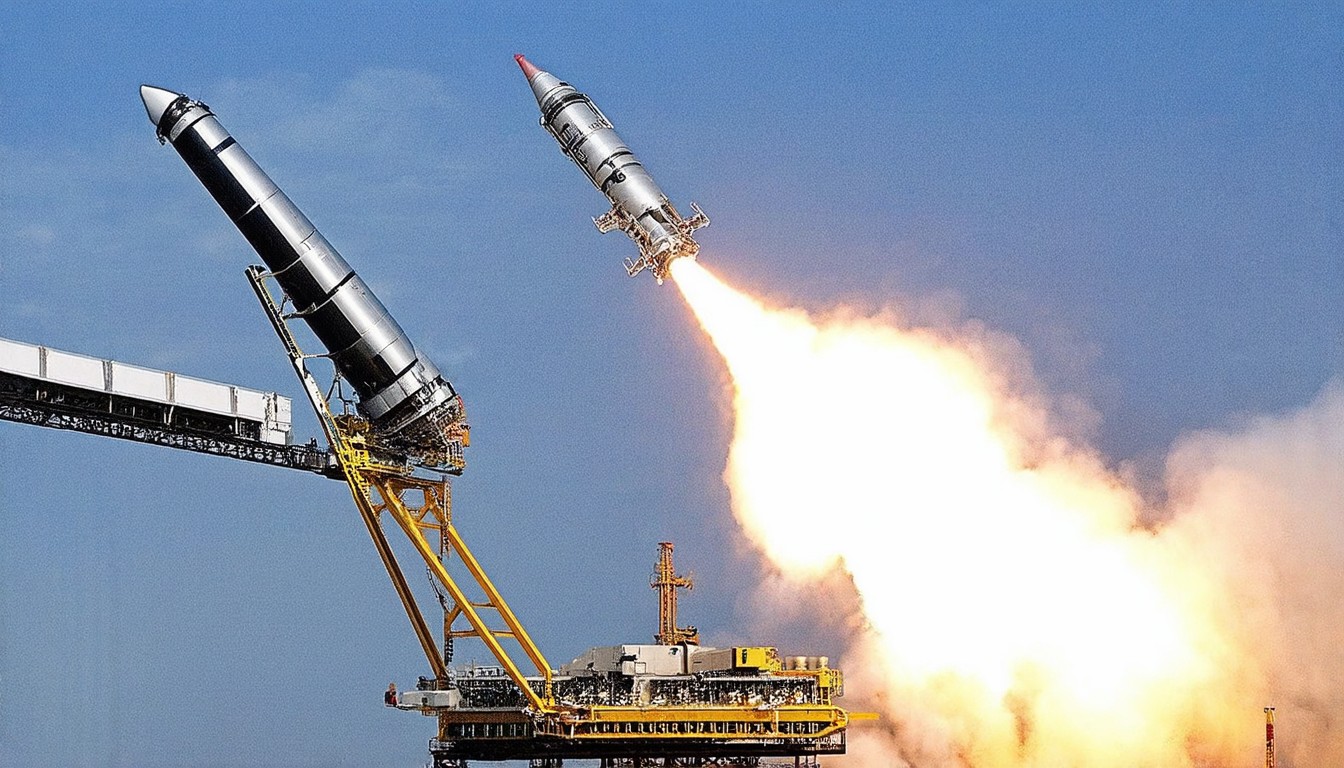
North Korean leader Kim Jong Un has overseen a ground test of an upgraded solid-fuel rocket engine, according to state media outlet KCNA. This development marks the latest indication of Pyongyang's continued efforts to bolster its strategic weapons capabilities. The test, which took place in a secret location, showcases North Korea's commitment to advancing its military technology amidst international scrutiny and sanctions.
The upgraded engine, which is designed to provide greater thrust, is expected to enhance the performance of North Korea's ballistic missile systems. By improving the power and range of its rockets, the regime aims to strengthen its deterrent capabilities and potentially expand its nuclear arsenal's reach. This latest development follows a series of similar tests conducted by the regime in recent years, each time raising concerns among global security communities.
The test comes as tensions continue to escalate between North Korea and its neighbors, particularly South Korea and Japan, as well as the United States. Pyongyang's persistent pursuit of advanced military capabilities has been a major point of contention in regional diplomacy, with many countries advocating for a more assertive stance against the regime's nuclear and missile programs.
The involvement of Kim Jong Un in the test underscores his personal commitment to the regime's military buildup. As the supreme leader, Kim has frequently overseen military parades and tests, using these events to demonstrate his authority and the strength of the nation's armed forces. This latest test is seen as a continuation of his father's legacy, Kim Jong Il, who also prioritized the development of strategic weapons.
Analysts have noted that the upgraded engine could potentially be used in North Korea's long-range ballistic missiles, such as the Hwasong-15, which the regime claims can deliver nuclear warheads to the contiguous United States. While the veracity of these claims remains uncertain, the continued testing and development of such systems are cause for concern.
The international community's response to this latest development is expected to be cautious and measured. While some countries may call for increased pressure on North Korea, others may advocate for diplomatic engagement to address the root causes of the regime's militarization. The challenge for global leaders will be to balance the need for security with the potential risks of further escalating tensions in the region.
In the meantime, North Korea's military-first approach continues to shape its domestic and foreign policies. The regime's focus on advancing its strategic weapons capabilities is a reflection of its belief in the importance of deterrence and self-reliance in the face of perceived threats. As such, the latest test of the high-thrust engine is likely to be just one of many steps in Pyongyang's ongoing quest to secure its position on the global stage.
The test also highlights the challenges faced by international organizations, such as the United Nations and non-proliferation regimes, in curbing North Korea's nuclear and missile programs. Despite imposing sanctions and imposing restrictions, the regime has managed to continue its military buildup, raising questions about the effectiveness of current strategies.
In conclusion, the ground test of the upgraded solid-fuel rocket engine overseen by Kim Jong Un is the latest manifestation of North Korea's unwavering commitment to enhancing its strategic weapons arsenal. This development underscores the ongoing tensions in the region and the complex challenges faced by the international community in addressing the regime's militarization. As Pyongyang continues to advance its military capabilities, the world must grapple with the implications for regional and global security.









