
North Korean Hackers Pose as Trading Firm to Steal $285M from Drift
North Korean hackers (UNC4736) posed as a trading firm for six months to infiltrate Drift Protocol, using social engineering tactics to steal $285M without suspicion.
North Korean Hackers Pose as Trading Firm to Steal $285M from Drift
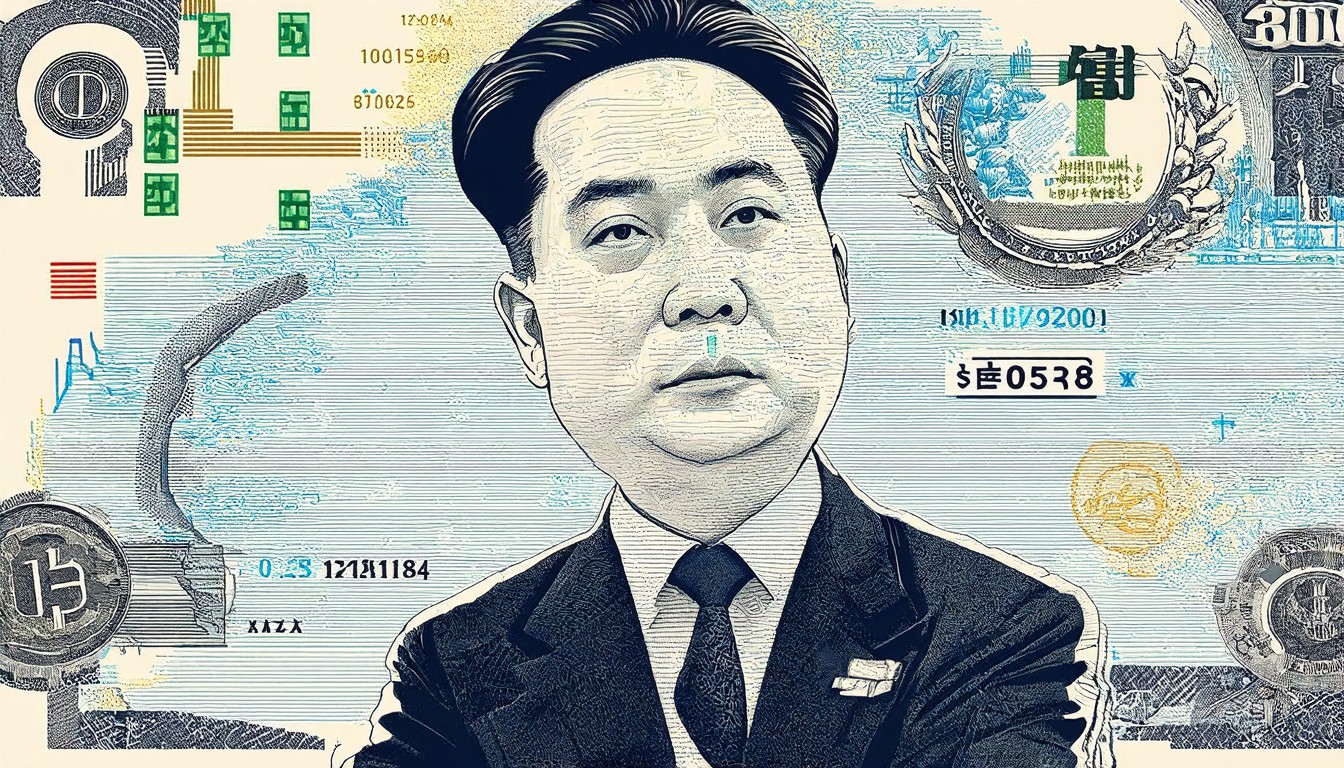
In a sophisticated cyberattack that highlights the growing risks of social engineering in the digital age, North Korean hackers linked to the UNC4736 group successfully infiltrated Drift Protocol, a popular decentralized finance (DeFi) platform, and stole approximately $285 million. The attackers posed as a legitimate trading firm for an extended period, meticulously crafting their strategy to bypass security measures and gain access to the platform's funds.
The operation, which spanned six months, involved a combination of targeted phishing attacks, impersonation, and exploitation of vulnerabilities within Drift Protocol's governance mechanisms. UNC4736's hackers carefully researched the platform's inner workings, identifying key personnel and community members who could be persuaded to take actions that would facilitate their theft. By leveraging these tactics, they were able to execute a series of transactions that drained significant funds from the platform's treasury.
The attack highlights the vulnerabilities inherent in many DeFi platforms, which often rely on community governance and consensus-based decision-making. In this case, the hackers exploited the trust placed in certain community members and the lack of robust verification processes to gain administrative privileges. Once inside, they executed a series of transactions that effectively drained the platform's reserves, leaving Drift Protocol in a precarious financial position.
The theft was not immediately detected, as the hackers carefully orchestrated their actions to avoid raising suspicion. They used a combination of social engineering and technical expertise to manipulate the platform's governance mechanisms, ensuring that their activities were not flagged as unusual. It was only after an internal audit and a thorough review of the platform's transaction history that the extent of the theft became apparent.
Drift Protocol's team has since taken steps to address the security breach, including implementing enhanced verification processes and tightening access controls to governance mechanisms. They have also reached out to the broader DeFi community and regulatory bodies to share lessons learned and promote best practices for securing decentralized finance platforms.
This incident underscores the growing threat posed by state-sponsored hacking groups, such as UNC4736, which are increasingly targeting DeFi platforms for their lucrative assets. As the DeFi ecosystem continues to grow, so too does the risk of targeted attacks, highlighting the need for robust security measures and improved collaboration between platforms and regulators.
The aftermath of the attack has raised questions about the long-term viability of Drift Protocol and the broader DeFi space. While the platform has taken steps to recover from the theft, the loss of such a significant amount of funds has raised concerns about the sustainability of decentralized finance models. The incident serves as a stark reminder of the challenges faced by DeFi platforms in balancing innovation with security, and the importance of prioritizing robust security frameworks to protect both users and the ecosystem as a whole.
In the coming weeks, it is expected that further details about the attack will emerge, shedding light on the specific vulnerabilities exploited by the North Korean hackers and the extent of their operations. As the DeFi community grapples with the implications of this high-profile theft, it will be crucial for all stakeholders to learn from this incident and work together to strengthen the security of decentralized finance platforms, safeguarding the trust and assets of their users.









