
‘No way to go but up’
From the ER to the highest mountains, sometimes riskier route is right, says wilderness doctor
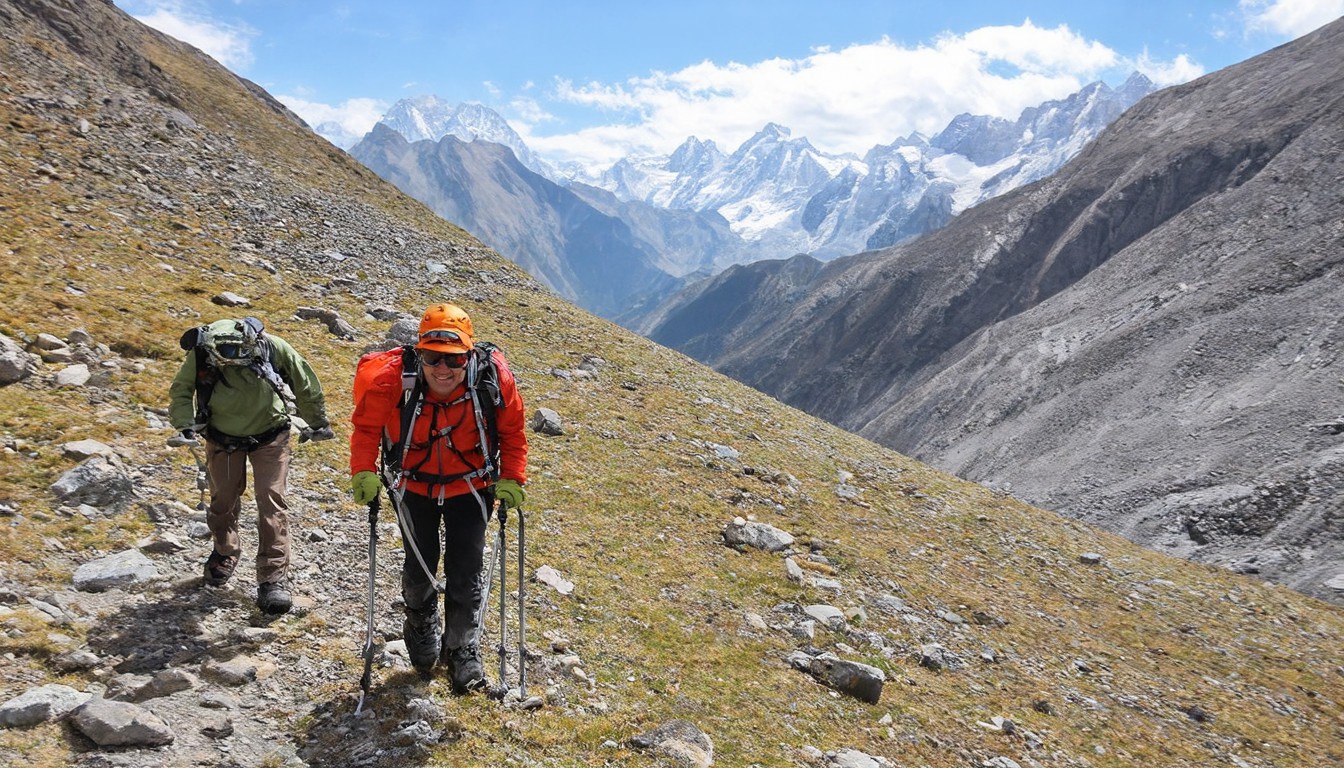
In the heart of the wilderness, where the stakes are high and the environment is unforgiving, a wilderness doctor once faced a critical decision that would shape his career and philosophy. N. Stuart Harris, now the founder and chief of the Division of Wilderness Medicine at Massachusetts General Hospital and an associate professor of emergency medicine at Harvard Medical School, was working for the National Park Service in Alaska in 2011. He found himself at 14,000 feet on Mount McKinley, tending to a patient who had entered his medical tent complaining of chest pains and shortness of breath. The veteran, who was hiking as part of a Wounded Warriors program, was in a precarious situation. The conditions were deteriorating, and the weather was too severe for a helicopter evacuation.
Harris, who had limited resources—only a nylon cot, oxygen, and basic diagnostic equipment in a tent perched on a glacier—decided to approach the situation with transparency. He explained the risks to his patient, detailing the potential consequences if they ran out of medications, oxygen, or if they couldn't descend the mountain in time. This candid conversation would become a defining moment in his career, as he realized the importance of discussing risk in a realistic and humane manner, both for patients and healthcare providers.
"I told him, 'These are the things I'm concerned about; these are the risks if we run out of medications, or if we run out of oxygen, or if we're not able to get you off the mountain in two or three days,'" Harris recalled. "I would like to think that we, whether it's as physicians or patients, should be able to talk about risk in a little bit more of a realistic, humane way."
The veteran eventually made it down to Anchorage and recovered, likely due to treatment for high-altitude pulmonary edema, a life-threatening form of altitude sickness. However, Harris acknowledges that he may never know the exact cause of the patient's condition. In his line of work, he has learned to accept that not every situation can be fully understood, and that sometimes, the best course of action is to proceed with the information available.
Harris's experience on Mount McKinley underscores the inherent risks in wilderness medicine, where the environment is unpredictable, and resources are often scarce. Yet, it also highlights the value of open communication and the importance of acknowledging uncertainty. By fostering trust and transparency, both patients and healthcare providers can make informed decisions, even in the face of adversity.
In the years since that harrowing encounter, Harris has dedicated himself to advancing the field of wilderness medicine. He has worked to develop protocols and guidelines that prioritize patient safety and emphasize the need for clear communication about risks. His philosophy extends beyond the mountains, influencing how healthcare is delivered in a variety of settings, from emergency rooms to urban environments.
As Harris continues to shape the future of wilderness medicine, his story serves as a reminder that risk is an inherent part of life. Whether navigating the highest peaks or the complexities of modern healthcare, the ability to confront uncertainty and communicate effectively can make all the difference. By embracing a realistic and humane approach to risk, we can better prepare ourselves for the challenges that lie ahead.
In the end, Harris's mantra remains simple: "No way to go but up." Whether ascending a mountain or overcoming life's obstacles, the path forward often requires taking calculated risks and facing adversity head-on. And as he has learned from his experiences, the key to success lies in the ability to communicate openly, even when the stakes are high and the outcomes uncertain.









