'No Shortage Of Fuel Or Gas': Rajnath Singh Says Indian Navy Escorting Tankers Via Hormuz
Rajnath Singh says India faces no fuel shortage amid West Asia conflict, highlights naval escorts, tough stance on terrorism, rising defence exports, and urges Kerala to back BJP
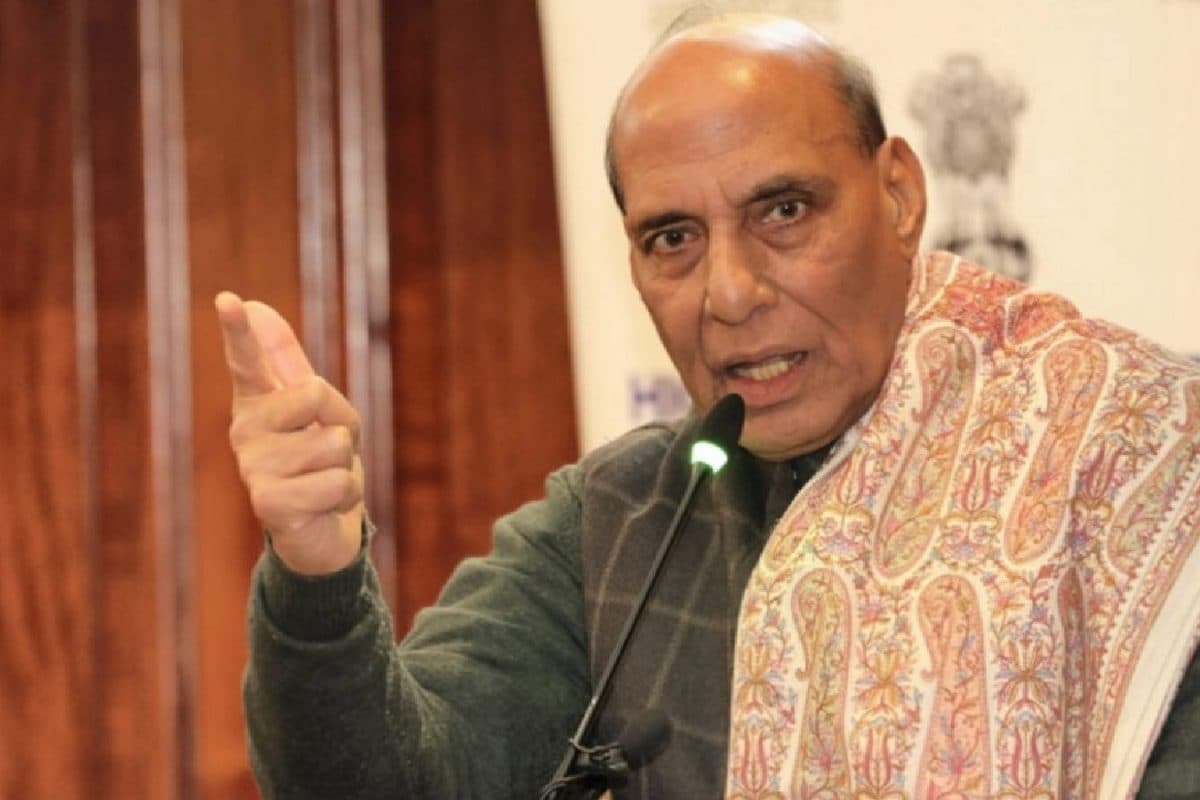
India's Defence Minister, Rajnath Singh, recently addressed concerns about fuel and gas shortages amid the escalating tensions in West Asia. In a statement, Singh assured the nation that there is no shortage of fuel or gas, despite the ongoing geopolitical uncertainties in the region. He emphasized the strategic importance of the Indian Navy's role in safeguarding the supply of oil and gas through the Strait of Hormuz, a critical chokepoint for global energy trade.
The Strait of Hormuz, located between the Persian Gulf and the Gulf of Oman, is a vital maritime route through which approximately 30% of the world's oil and 20% of its natural gas are transported. Given its significance, India has been closely monitoring the situation in the region, particularly as tensions have risen due to conflicts and sanctions. The Indian Navy has been actively escorting tankers carrying crude oil and liquefied natural gas (LNG) through the strait, ensuring the uninterrupted supply of these essential resources to the country.
Singh's assurance of no fuel shortage comes as a relief to Indian citizens who have been keeping a watchful eye on the situation in West Asia. The minister highlighted that the Indian Navy's presence in the region is a demonstration of the country's commitment to maintaining energy security and stability. He also underscored the importance of diversifying energy sources and reducing dependence on imported fuels, a strategy that has been a cornerstone of India's energy policy for years.
In addition to addressing fuel security, Singh also spoke about India's tough stance on terrorism. He reiterated the government's unwavering commitment to combating terrorism in all its forms and manifestations. The minister noted that India has been working closely with its regional and international partners to counter the threats posed by terrorism, which continues to be a significant challenge to national security.
Another key point raised by Singh was the rising defence exports of India. He highlighted that the country's defence sector has been growing steadily, with a focus on innovation and technological advancement. India has been increasingly exporting defence equipment and solutions to various countries, reflecting its growing role as a global player in the defence industry. Singh expressed confidence in the potential of the Indian defence sector to contribute significantly to the country's economic growth and strategic interests.
In a separate development, Singh urged the state of Kerala to back the Bharatiya Janata Party (BJP) in the upcoming state elections. He emphasized the importance of a strong and stable government in Kerala, particularly in the context of the ongoing challenges faced by the state. Singh's call for support for the BJP in Kerala comes as part of a broader political strategy to strengthen the party's presence in the state, which has traditionally been a stronghold of the Indian National Congress.
In conclusion, Rajnath Singh's recent statements have provided reassurance to the Indian public about the country's fuel and gas security amid the geopolitical uncertainties in West Asia. The minister's emphasis on the Indian Navy's role in safeguarding energy supplies, coupled with a tough stance on terrorism and a focus on growing defence exports, underscores India's commitment to maintaining national security and economic stability. Additionally, Singh's appeal to Kerala to back the BJP highlights the ongoing political dynamics within the state and the broader political landscape of India. As tensions in the region continue to evolve, it will be interesting to see how India's defence and energy policies adapt to ensure the country's long-term security and prosperity.