No More Out-of-State Fines? Karnataka Fixes Vehicle Data Issue
Traffic police in Maharashtra, Goa, Kerala and Tamil Nadu depend on the portal to verify records. When Karnataka data did not show up, motorists were fined upto Rs 10,000 at times.
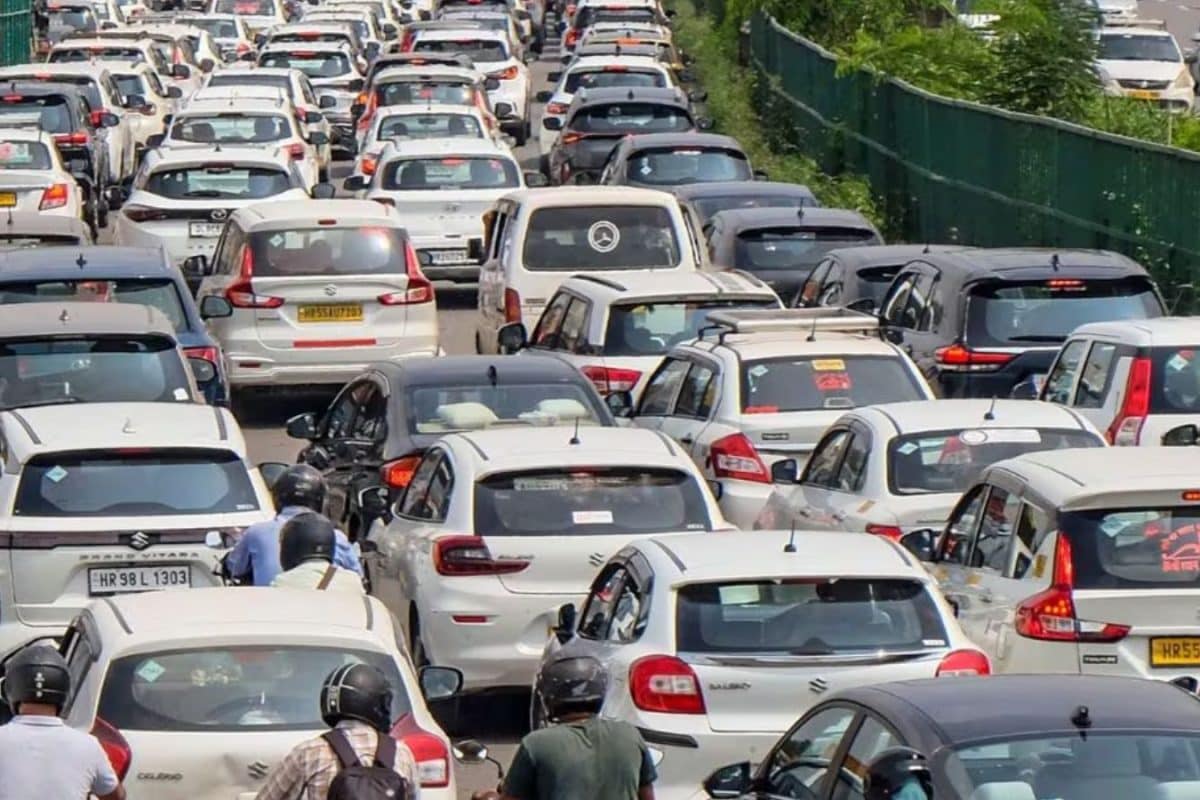
In a significant development aimed at streamlining inter-state vehicle verification, the Karnataka government has resolved an issue that had been causing confusion and financial hardship for motorists across several states. For years, traffic police in Maharashtra, Goa, Kerala, and Tamil Nadu relied on a portal to verify vehicle records, including ownership and registration details. However, due to a technical glitch in Karnataka's vehicle data system, the information from vehicles registered in Karnataka was not being displayed on the portal. This omission led to a bizarre situation where motorists from Karnataka traveling in these states were fined, sometimes up to Rs 10,000, based on incomplete or incorrect data.
The problem arose because the traffic authorities in the affected states could not access real-time information about vehicles from Karnataka. As a result, they were left to rely on outdated or incomplete records, which often resulted in incorrect fines being imposed. Motorists, unaware of the technical glitch, found themselves in a precarious position, facing hefty fines that they believed were unjust. Many of them had to spend time and money proving their case, leading to frustration and mistrust in the system.
The Karnataka government, recognizing the severity of the issue, took swift action to rectify the problem. After conducting a thorough investigation, officials identified the root cause of the data discrepancy and worked tirelessly to resolve it. They collaborated with the respective state traffic departments and the central authority managing the verification portal to ensure that Karnataka's vehicle data was accurately integrated into the system.
The resolution of this issue not only benefits motorists from Karnataka but also enhances the overall efficiency of the inter-state vehicle verification process. By ensuring that all states have access to up-to-date and accurate vehicle data, the system can now function more smoothly, reducing the chances of errors and miscommunication. This development is a testament to the importance of inter-state cooperation and the need for robust technological infrastructure to support such initiatives.
The Karnataka government has also taken steps to compensate motorists who were fined unjustly due to the data issue. A special committee has been formed to review each case, and those affected will be reimbursed for the fines they paid. This gesture not only helps to restore public trust in the system but also demonstrates the government's commitment to addressing grievances and ensuring fairness.
The successful resolution of this vehicle data issue highlights the challenges faced by governments in maintaining accurate and accessible databases, especially when multiple states are involved. However, it also underscores the potential benefits of a well-functioning inter-state system, which can enhance security, efficiency, and public confidence. As more states adopt similar technologies and collaborate to improve their systems, the likelihood of encountering such issues in the future will be significantly reduced.
In conclusion, the Karnataka government's action to fix the vehicle data issue is a positive step towards improving inter-state cooperation and ensuring fair treatment for motorists. By resolving this problem, the state has not only addressed a critical technical glitch but also taken responsibility for the consequences it had on travelers. This development serves as a reminder of the importance of investing in robust technological systems and fostering collaboration among state authorities to create a seamless and efficient transportation infrastructure. As a result, motorists across India can now travel with greater confidence, knowing that vehicle verification processes are more accurate and equitable.