‘No Gas Or LPG Shortage’: Congress Leader Kamal Nath Ditches Party Line, Calls Out Fake Narrative
Kamal Nath dismisses reports of gas and LPG shortage, says claims are exaggerated and an artificial atmosphere of scarcity is being created.
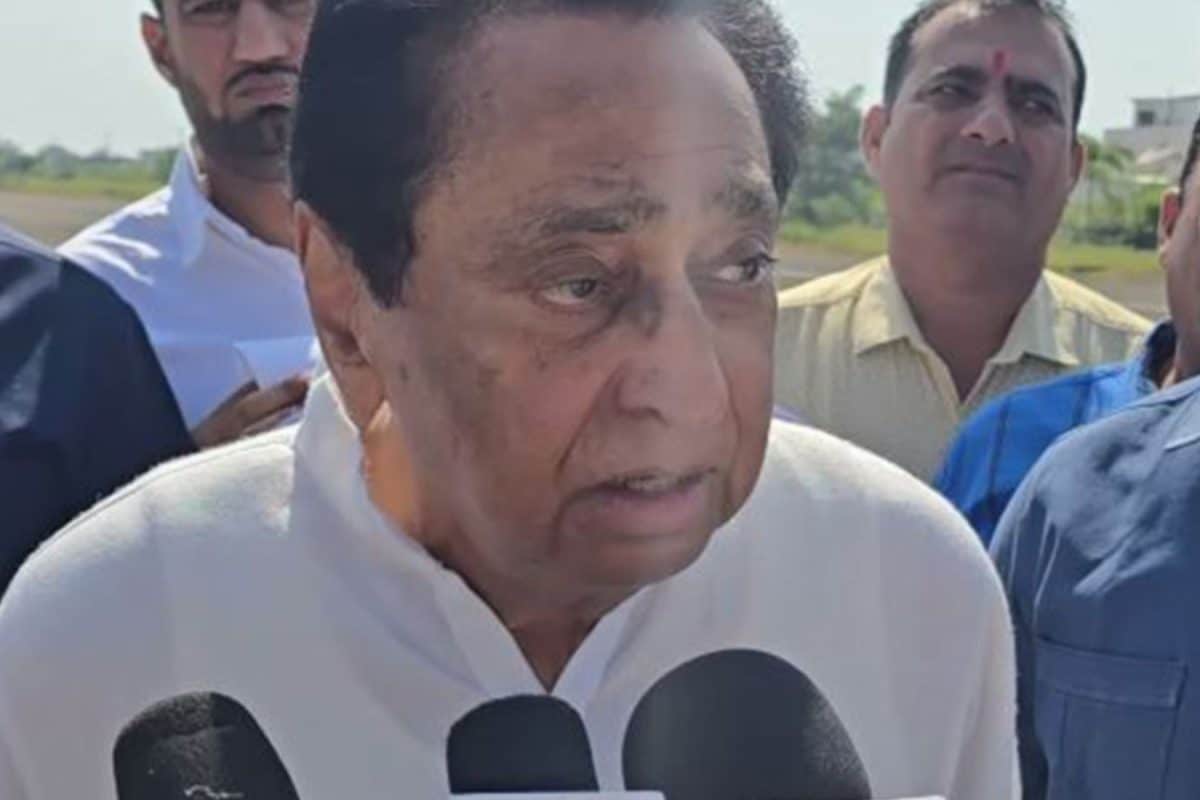
In a surprising turn of events, Congress leader Kamal Nath has broken away from the party line, dismissing widespread reports of gas and LPG shortages across the country. In a recent public statement, Nath accused the government of creating an artificial atmosphere of scarcity, labeling the claims as exaggerated and unfounded. This bold move has set off a wave of reactions, with some hailing Nath as a voice of reason, while others accuse him of downplaying a genuine crisis.
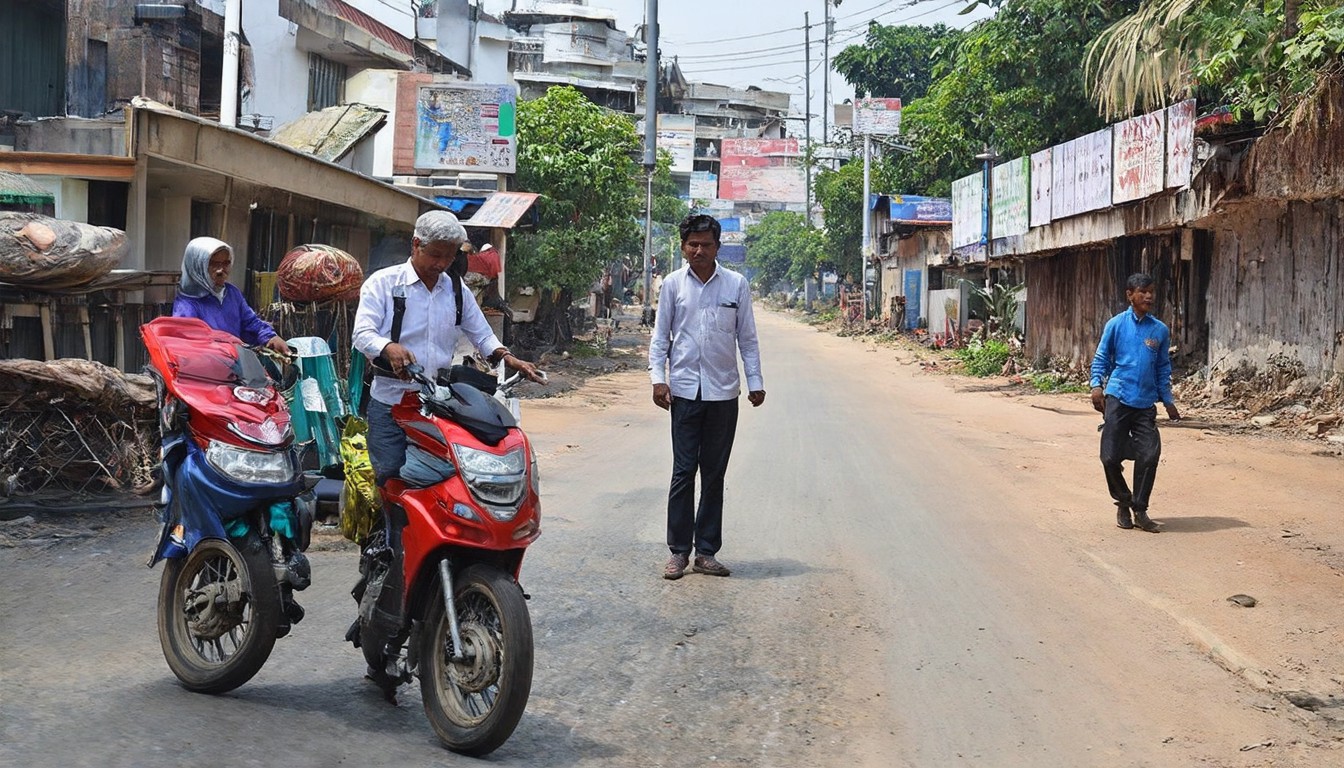
Nath's comments come at a time when the nation has been grappling with rumors of fuel shortages, leading to panic buying and temporary disruptions at filling stations. The government, however, has maintained that supplies are sufficient and that the shortages are a result of temporary logistical challenges. Despite this assurance, many citizens have been left anxious, with some even stockpiling fuel to ensure their safety.
Addressing the nation during a press conference, Nath emphasized that the reports of shortages were not only exaggerated but also part of a deliberate strategy to manipulate public sentiment. He pointed out that while there might be occasional hiccups in supply chains, these are not indicative of a nationwide crisis. Nath further argued that the government's handling of the situation has been misleading, intentionally sowing doubt and fear among the populace.
"The government is creating an artificial scarcity to divert attention from its inability to manage the fuel supply efficiently," Nath stated. "Instead of focusing on long-term solutions, they are trying to control the narrative through exaggerated reports."
Nath's criticism is not without precedent. Over the years, the government has been accused of manipulating information to suit its political agenda. Critics argue that this is another instance of such manipulation, designed to maintain public support during a period of economic uncertainty.
However, the government has dismissed Nath's claims, accusing him of spreading misinformation. Officials have reiterated that fuel supplies are adequate and that temporary disruptions are being addressed promptly. They have also warned against panic buying, urging citizens to rely on official sources for accurate information.
Despite the government's denials, many citizens remain skeptical. They point to the fact that fuel prices have been on an upward trajectory, suggesting that there might be an underlying issue with supply and demand. They also question why, if supplies are indeed sufficient, there are occasional shortages at filling stations.
Nath's stance has sparked a debate among political analysts. Some believe that his criticism is well-founded and that the government needs to be held accountable for its handling of the situation. Others argue that Nath's comments are politically motivated and could exacerbate public anxiety.
"Kamal Nath's comments are a reflection of his political strategy," said political analyst Arjun Gupta. "He's using the fuel situation to criticize the government, hoping to gain political mileage."
On the other hand, supporters of Nath argue that he is simply speaking the truth. They point out that the government's assurances have not been backed by concrete evidence, and that the public has a right to know the real situation.
"The government has been evasive in its communication," said Nath's spokesperson, Amitabh Sinha. "It's time they provide transparency and take concrete steps to address the issue."
As the debate continues, one thing is clear: the fuel situation remains a contentious issue. Whether the reports of shortages are exaggerated or not, the government needs to communicate effectively and take decisive action to restore public confidence.
In the meantime, citizens are advised to stay informed and not succumb to panic. Official sources, such as the Petroleum Ministry, have been emphasizing that fuel supplies are adequate, and that temporary disruptions are being managed.
Only time will tell if Nath's critique will lead to a change in the government's approach. What is certain, however, is that his comments have added another layer of complexity to an already challenging situation.