‘No Gas, No Work’: How LPG Crisis Is Forcing Migrant Workers To Leave Cities, Head Back Home
As cooking gas becomes scarce and expensive, and jobs linked to it begin to shrink, many migrants are once again packing their bags and heading home.
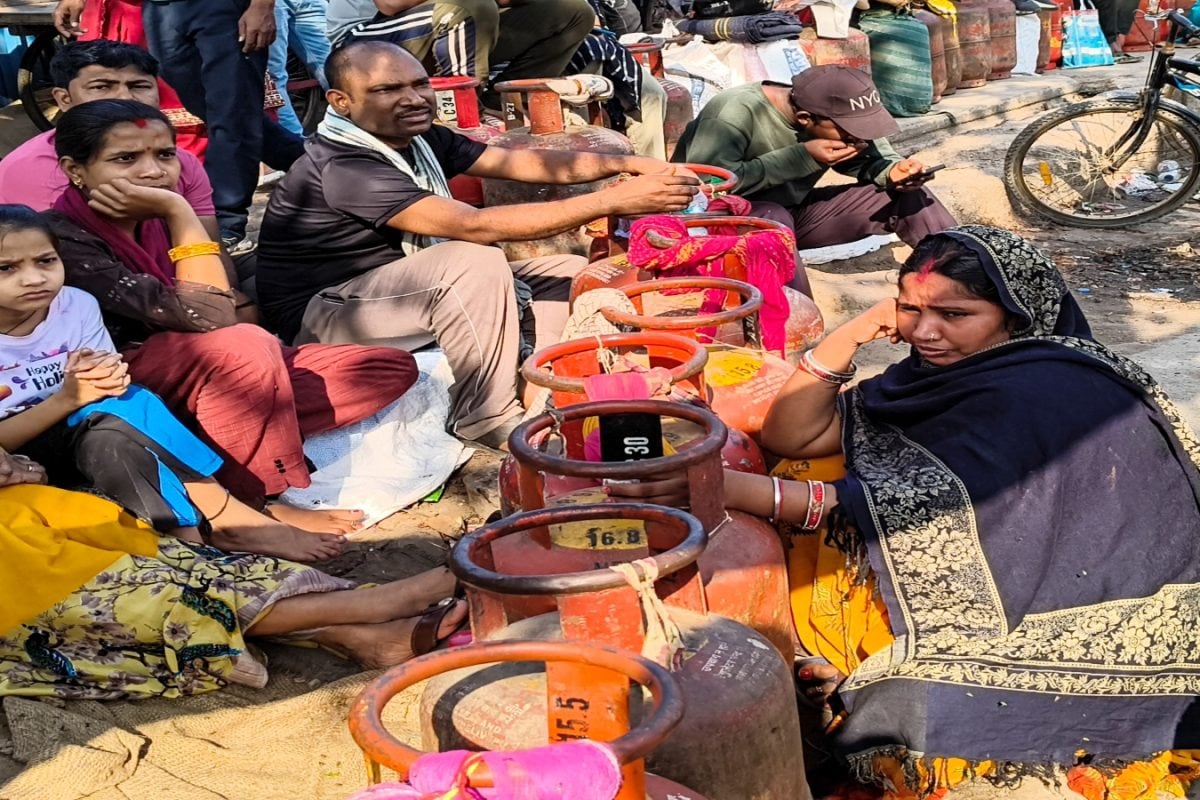
In recent months, a new wave of migrant workers has been leaving urban centers across the country, driven by a severe shortage of liquefied petroleum gas (LPG). Known colloquially as "cooking gas," LPG is a critical energy source for millions of households, particularly in rural areas and among low-income urban populations. The crisis, exacerbated by global supply chain disruptions and fluctuating oil prices, has not only led to soaring prices but also caused a significant reduction in the availability of this essential commodity.
The impact of this LPG crisis is profound, not only for individual households but also for the broader economy. Migrant workers, who often rely on LPG for their basic needs, have found themselves in a precarious situation. Many have lost their jobs or faced significant income cuts due to the shrinking of industries directly or indirectly linked to LPG distribution and consumption. As a result, they are being forced to make difficult decisions about their future, leading to a mass exodus from cities back to their home villages.
The migration trend is particularly noticeable in cities like Delhi, Mumbai, and Kolkata, where the concentration of migrant labor is highest. These workers, who have traditionally contributed to the urban economy through various sectors such as construction, manufacturing, and informal services, are now facing an uncertain future. The LPG shortage has led to a decline in demand for their services, as businesses that depend on LPG for operations are struggling to survive.
One of the most immediate consequences of the LPG crisis is the rise in prices. In many regions, the cost of LPG has doubled or even tripled in the past year. For migrant families, who often live on tight budgets, this increase is unsustainable. They are forced to make tough choices, such as rationing their gas supplies or cutting back on other essentials to afford the basic necessities of life.
The situation is further compounded by the fact that many migrant workers are employed in jobs that are not easily replaceable. For instance, LPG delivery drivers, refill operators, and those working in LPG-dependent industries are among the first to feel the brunt of the crisis. As these jobs disappear, migrants are left without a stable income source, pushing them to return to their home villages in search of alternative livelihoods.
The exodus of migrant workers has broader implications for urban economies. Cities rely heavily on the influx of labor to sustain their growth and development. The departure of these workers could lead to a slowdown in urban industries, affecting sectors such as construction, retail, and hospitality. Moreover, the reduction in the urban population could impact local tax revenues, which are crucial for funding public services and infrastructure.
The government has acknowledged the severity of the situation and has initiated several measures to address the LPG crisis. These include increasing imports, boosting domestic production, and regulating prices to prevent speculation. However, the effectiveness of these interventions is yet to be seen, and many migrant workers remain skeptical about the prospects of improved availability and affordability of LPG in the near future.
The LPG crisis is also highlighting the vulnerabilities of migrant communities, who are often marginalized and lack access to social safety nets. Many of these workers have no savings to fall back on and are heavily dependent on their daily wages. The crisis has exposed the fragility of their livelihoods and the need for more robust policies to support them during times of economic hardship.
As migrants return to their home villages, they are bringing with them a new set of challenges. Rural areas, which have traditionally been the source of migrant labor, are now facing an influx of people seeking work and opportunities. This could lead to increased competition for scarce resources and jobs, exacerbating existing socio-economic tensions.
Moreover, the migration trend could have long-term implications for urban-rural dynamics. If the LPG crisis persists, it may lead to a permanent shift in the balance of labor, with cities losing a significant portion of their workforce. This could slow down urban development and hinder the country's progress towards achieving its economic goals.
In conclusion, the LPG crisis is not just an energy issue; it is a socio-economic phenomenon that is forcing millions of migrant workers to reevaluate their lives and make difficult decisions about their future. The exodus from cities back to rural areas is a stark reminder of the precariousness of their situation and the need for comprehensive policies to address the challenges faced by this vulnerable population. As the world grapples with global energy supply chain disruptions, the plight of migrant workers in the midst of an LPG crisis serves as a cautionary tale about the interconnectedness of economic stability and human well-being.