Nikhil Dwivedi Supports Ranveer Singh in Film Body Row
Prominent producer Nikhil Dwivedi has publicly extended his support to actor Ranveer Singh, who is reportedly facing a 'non-cooperation action' from an unnamed film body. Dwivedi emphasized the crucial principle of not impeding an individual's livelihood.
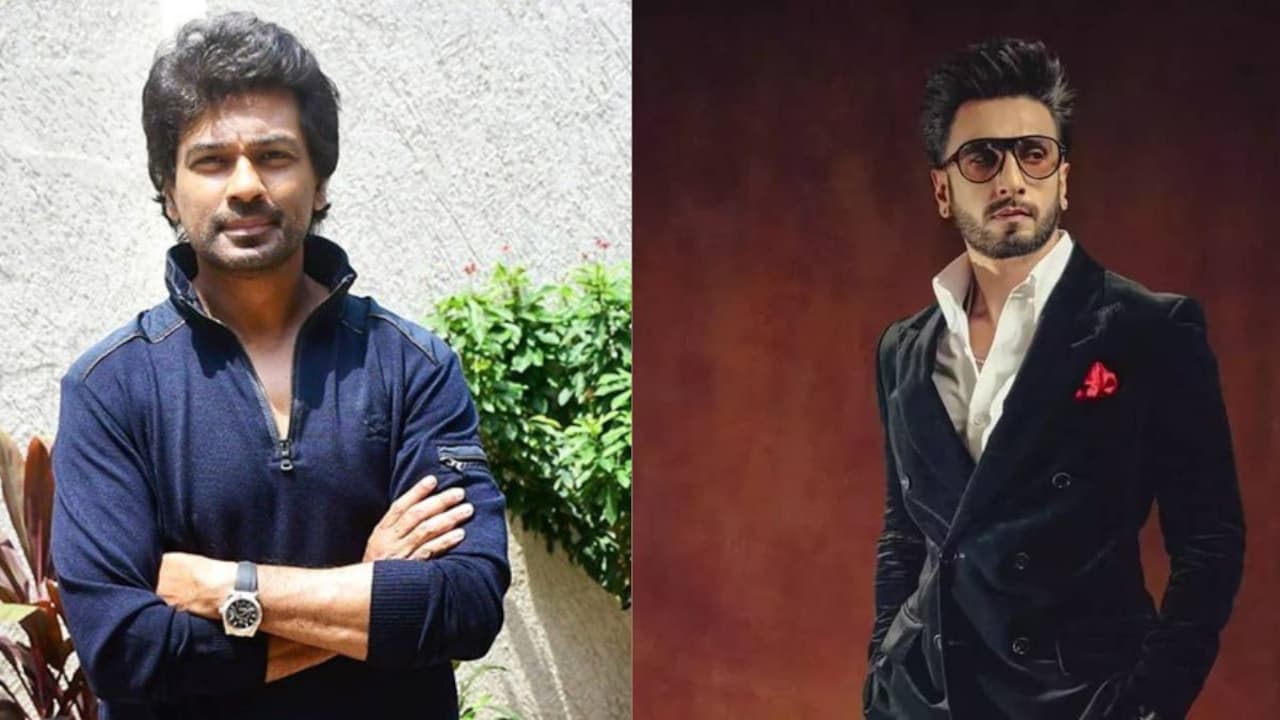
In a significant development that has garnered considerable attention across the Indian film fraternity, acclaimed producer Nikhil Dwivedi has publicly voiced his support for leading actor Ranveer Singh. This endorsement comes at a crucial juncture, as Singh is reportedly facing a 'non-cooperation action' initiated by an unnamed film body. Dwivedi's intervention is particularly notable for his firm declaration that one 'can't stop someone's livelihood,' underscoring a fundamental principle in professional conduct.
Reports indicate that Ranveer Singh is currently embroiled in what has been termed a 'film body row,' leading to the aforementioned non-cooperation action. While the specific details surrounding the nature of this dispute, the identity of the film body involved, or the precise reasons behind their action remain undisclosed to the public, the situation has evidently escalated to a point where a prominent industry figure like Dwivedi felt compelled to speak out. The lack of explicit information has, however, fueled speculation and discussion within industry circles.
Nikhil Dwivedi's statement, 'Can't stop someone's livelihood,' resonates deeply with the ethical considerations surrounding professional disputes. It champions the individual's right to work and earn a living, irrespective of ongoing disagreements or collective decisions by industry associations. This perspective suggests a belief that while regulatory bodies play a vital role in maintaining order and standards, their actions should not fundamentally impede an artist's ability to pursue their profession and sustain themselves, a sentiment that could find resonance among many working professionals.
The concept of a 'non-cooperation action' by a film body typically implies a collective decision to withhold professional engagement or support from an individual. Such actions can manifest in various forms, potentially impacting an actor's ability to secure new projects, collaborate with certain production houses, or participate in industry events. While the exact ramifications for Ranveer Singh in this specific instance are not publicly known, such measures can, in general, pose significant challenges to an artist's career trajectory and professional standing within the competitive landscape of the film industry.
The public backing of a producer like Nikhil Dwivedi for an actor facing such a challenge carries substantial weight. It could signal a potential divergence of opinion within the industry's power structures or a call for greater transparency and fairness in the resolution of disputes. In an industry often characterized by its intricate networks and collective decisions, an individual voice of support, especially from a respected producer, can initiate a broader conversation about due process and the responsibilities of industry bodies towards their members.
Film bodies generally serve crucial functions, including setting industry standards, mediating disputes, and promoting the welfare of their members. However, when these bodies undertake actions that are perceived to directly impact an individual's professional life, questions inevitably arise about the balance between collective authority and individual rights. Dwivedi's statement implicitly challenges the notion that any body, regardless of its mandate, should have the power to unilaterally halt an individual's means of subsistence, thereby highlighting a critical point of contention.
This public intervention by Dwivedi could potentially set a precedent or at least encourage more open dialogue regarding how such disputes are handled in the future. It might embolden other industry professionals to voice their opinions on matters of perceived injustice or to advocate for more structured and transparent grievance redressal mechanisms. The incident underscores the dynamic nature of industry relationships and the ongoing evolution of professional ethics within Bollywood.
Ranveer Singh, a prominent figure in contemporary Indian cinema, has a substantial body of work and a significant fan following. The reported non-cooperation action, while its specifics remain shrouded, inevitably draws attention to the vulnerabilities even established artists can face when confronted by collective industry decisions. Dwivedi's support, therefore, can be seen as a gesture of solidarity that transcends specific dispute details, focusing instead on the broader principle of professional integrity and the right to livelihood.
Ultimately, this development contributes to a larger, ongoing conversation within the Indian film industry about accountability, the exercise of power by collective bodies, and the protection of individual professional rights. It prompts reflection on the mechanisms in place for dispute resolution and whether they adequately safeguard the careers and livelihoods of all involved. Dwivedi's clear stance adds a powerful voice to this critical dialogue, advocating for a more equitable approach.
The producer's firm declaration serves as a potent reminder that while industry bodies play a vital role in governance, the fundamental right of an individual to earn a living must remain paramount. This incident will undoubtedly continue to be a talking point, shaping discussions on ethical practices and professional conduct in Bollywood for the foreseeable future.