New Research Reveals Camelina’s Climate Adaptation Potential
EU-funded UNTWIST research shows camelina (Camelina sativa) could help climate-proof agriculture as heatwaves and droughts intensify. Scientists tested 54 camelina lines across controlled environments and European field trials, finding wide variation in stress responses despite limited genetic diversity. Some lines used metabolic shifts, others physical traits, revealing high plasticity. Identified metabolites and fatty acids may guide breeding, while the UNTWIST Plant Adaptation Hub shares open datasets and tools. The post New Research Reveals Camelina’s Climate Adaptation Potential appeared first on Seed World .
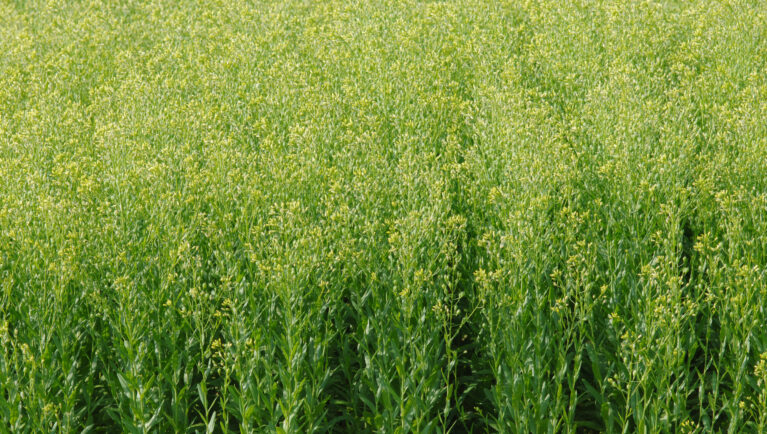
As climate change intensifies, the search for crops capable of thriving under harsher growing conditions has become increasingly urgent. Recent research, funded by the European Union through the UNTWIST project, has identified camelina (Camelina sativa) as a promising candidate for climate-proofing agriculture. This traditional oilseed, commonly used for food, animal feed, and biofuels, demonstrates remarkable resilience and adaptability, offering potential solutions for farmers grappling with heatwaves and droughts.
The UNTWIST research involved testing 54 diverse camelina lines across controlled environments and European field trials, aiming to assess their responses to heat and drought. Despite camelina's relatively limited genetic diversity, the study revealed striking variation in how individual lines adapted to stress. This flexibility suggests that camelina can withstand climate pressures, and that different varieties may offer region-specific options for farmers facing distinct climate risks.
Inside the plants, heat and drought triggered clear shifts in chemistry and function. Some lines responded with major metabolic adjustments, while others leaned more on physical and physiological changes. At the molecular level, camelina altered sugars, amino acids, antioxidants, and lipids, and reshaped leaf fatty acids to help maintain cellular performance. Researchers also identified several metabolites and fatty acids that consistently tracked stress responses, offering potential markers for future crop improvement.
The findings highlight camelina's high plasticity — its ability to draw on multiple strategies to cope with challenging conditions. Field trials reinforced these insights. Lines that showed greater metabolic flexibility as seedlings in controlled environments often went on to perform better in the field, even when conditions were difficult. By combining controlled studies with real-world testing, the project not only clarified how camelina manages stress but also helped translate these insights into practical applications for agriculture.
The UNTWIST Plant Adaptation Hub, established as part of the project, shares open datasets and tools to facilitate further research and breeding efforts. This collaborative approach ensures that the potential of camelina for climate adaptation is harnessed effectively, providing a valuable resource for scientists, farmers, and policymakers alike.
In conclusion, the UNTWIST research underscores camelina's remarkable capacity to adapt to climate stresses, offering a promising avenue for enhancing agricultural resilience in the face of intensifying heatwaves and droughts. As the world continues to grapple with the impacts of climate change, the identification of such adaptable crops is crucial for ensuring food security and sustainable farming practices in the future.