
New Products and Innovations Impacting the 2026 Crop Protection Market
Derek Oliphant highlights new products, resistance management, biopesticides, and how digital, drone, and precision technologies are reshaping agriculture globally. The post New Products and Innovations Impacting the 2026 Crop Protection Market appeared first on AgriBusiness Global .
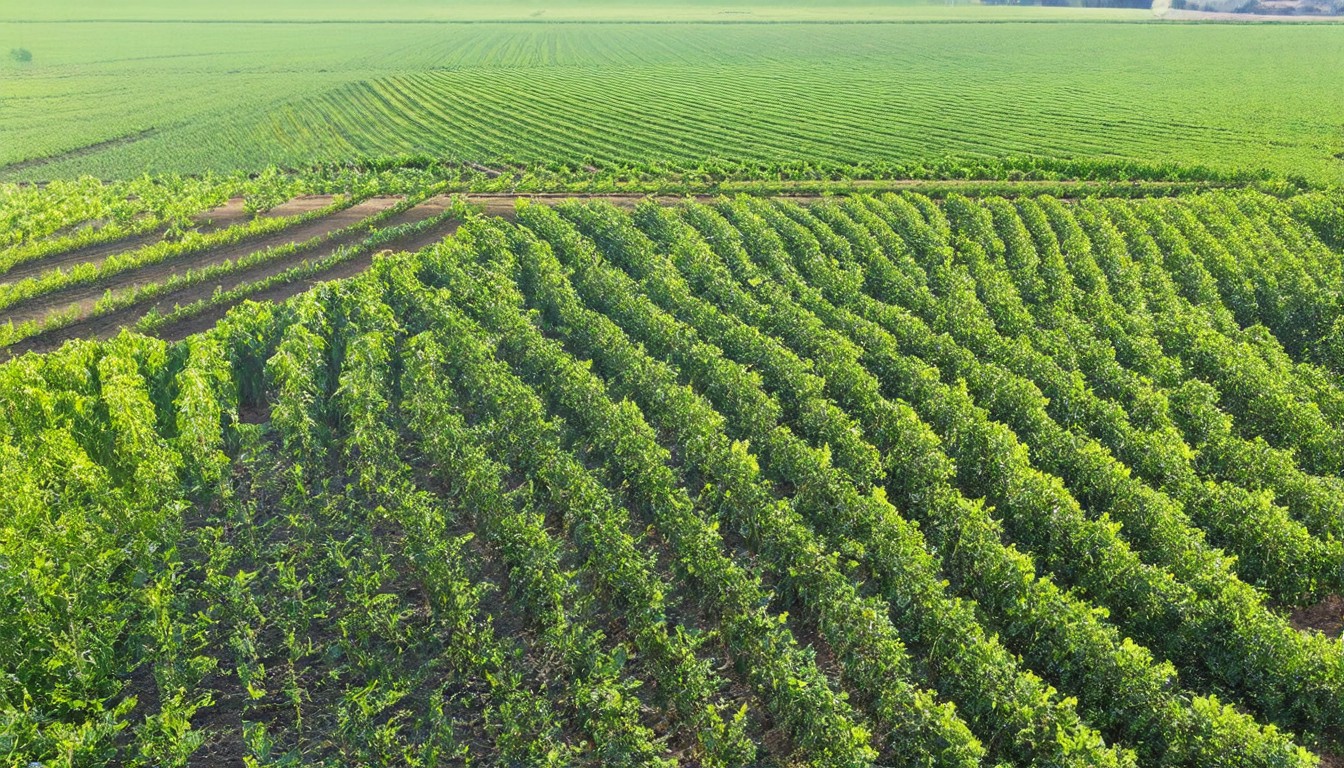
The global crop protection market is poised for significant transformation in the coming years, driven by innovative products, advancements in resistance management, and the integration of digital technologies. As agricultural practices evolve, farmers and agribusinesses are increasingly turning to new solutions to protect their crops from pests and diseases while minimizing environmental impact. In this article, we explore the key developments shaping the 2026 crop protection market, as highlighted by industry expert Derek Oliphant.
One of the most notable trends in the crop protection market is the emergence of novel products designed to address the growing challenge of pest and disease resistance. Traditional chemical pesticides have faced criticism for their environmental impact and the development of resistant pests. To combat this, companies are investing in alternative solutions such as biopesticides, which are derived from natural materials like plants, bacteria, and fungi. These biopesticides offer a more sustainable approach to pest control, reducing the risk of resistance and environmental harm.
In addition to biopesticides, the market is also witnessing a surge in the adoption of precision agriculture technologies. These technologies, which include drones, sensors, and data analytics, enable farmers to monitor and manage their crops more effectively. By using drones to survey fields, farmers can identify areas of pest infestation or nutrient deficiency, allowing them to apply treatments only where needed. This targeted approach not only improves crop yields but also reduces the overall use of chemical inputs, aligning with global sustainability goals.
Digital technologies are also playing a crucial role in resistance management strategies. By leveraging data from various sources, including weather patterns, soil composition, and historical pest data, farmers can make informed decisions about when and how to apply pesticides. This proactive approach helps to delay the development of resistant pests and diseases, ensuring the long-term effectiveness of existing crop protection products.
Another area of innovation in the crop protection market is the development of new crop varieties that are resistant to pests and diseases. Breeding programs are focused on creating crops with natural resistance, reducing the need for chemical interventions. Genetic engineering and marker-assisted selection are also being employed to accelerate the development of such resistant varieties.
The integration of digital and precision technologies is not limited to pest and disease management. It is also transforming the way farmers monitor and optimize soil health, water usage, and nutrient application. By collecting and analyzing data from various sources, farmers can make data-driven decisions that enhance productivity and sustainability.
In conclusion, the 2026 crop protection market will be shaped by a combination of innovative products, advanced resistance management strategies, and the integration of digital and precision technologies. These developments are not only addressing the challenges posed by pest and disease resistance but also aligning with global efforts to promote sustainable agriculture. As these trends continue to evolve, the future of crop protection looks promising, with a greater emphasis on environmental stewardship and improved agricultural outcomes.









