
New Mexico jury finds Meta violated protection law over exploitation claims
The landmark decision comes after a nearly seven-week trial. Jurors sided with state prosecutors who argued that Meta prioritized profits over safety.
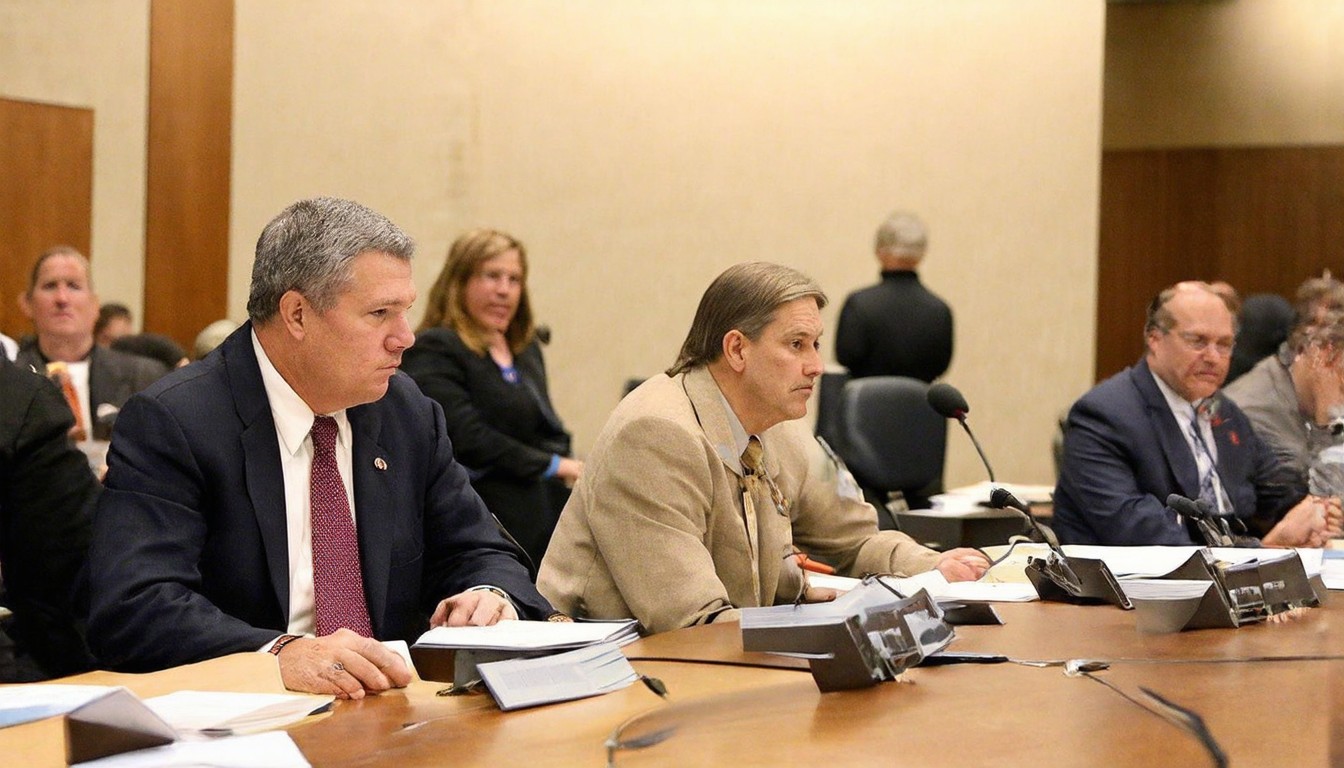
In a historic legal victory for state regulators, a New Mexico jury has ruled that Meta Platforms Inc., the parent company of Facebook and Instagram, violated state protection laws by allegedly exploiting users' data for profit. The landmark decision, which follows a nearly seven-week trial, marks a significant turning point in the ongoing battle between tech giants and government oversight.
The trial, which drew national attention, centered on claims that Meta prioritized profits over user safety and privacy. State prosecutors presented evidence suggesting that the company engaged in practices that exposed users to risks, including data breaches and misuse of personal information. They argued that Meta's business model, which relies heavily on user data, often came at the expense of safeguarding individuals' privacy and security.
Jurors, after deliberating for several days, agreed with the prosecution's stance, finding Meta guilty of violating New Mexico's protection law. This decision not only imposes financial penalties on the company but also sends a clear message to the tech industry about the importance of ethical data practices and user protection.
The case began when New Mexico Attorney General's office filed a lawsuit against Meta, alleging that the company engaged in deceptive practices to collect and monetize user data without adequate safeguards. Prosecutors argued that Meta's policies and practices were designed to maximize profits, even if it meant compromising user safety. They presented documents and expert testimonies detailing how Meta's algorithms and data collection methods could lead to privacy violations and potential harm to users.
Defense attorneys, on the other hand, maintained that Meta had implemented robust security measures and that any data breaches or incidents were the result of external factors beyond their control. They emphasized the company's commitment to user privacy and safety, citing numerous initiatives and partnerships aimed at addressing these concerns.
Despite these arguments, the jury found that Meta's actions were reckless and that the company had failed to adequately protect users' data. The verdict is expected to have far-reaching implications for the tech industry, as it could lead to increased scrutiny and stricter regulations on data practices.
This decision is particularly significant in the context of ongoing debates about data privacy and the responsibility of tech companies. It highlights the need for stronger oversight and accountability in the digital age, where personal information has become a valuable commodity. The case also underscores the importance of balancing innovation with user protection, as companies like Meta continue to shape the future of technology and society.
In response to the verdict, Meta has stated that it will appeal the decision, arguing that the jury's ruling is based on a misunderstanding of their data practices. However, the outcome of the trial is likely to influence future legal battles and regulatory frameworks, as states and federal agencies look to better protect users' rights and privacy in the digital landscape.
The New Mexico jury's decision serves as a cautionary tale for tech companies, reminding them that prioritizing profits over safety can have serious consequences. As the tech industry continues to evolve, the case will undoubtedly shape the way businesses approach data collection and user protection, ensuring that the rights and well-being of individuals are not overlooked in the pursuit of profit.
In the aftermath of this landmark ruling, it remains to be seen how Meta will adapt its practices and whether other companies will follow suit. The case, however, marks a significant step forward in the fight for user privacy and data protection, providing a much-needed check on the power of tech giants and reinforcing the importance of government oversight in the digital age.









