
New CISA Guidance Targets Insider Threat Risks
CISA urges action against insider threats with publication of a new infographic offering strategies to manage risks
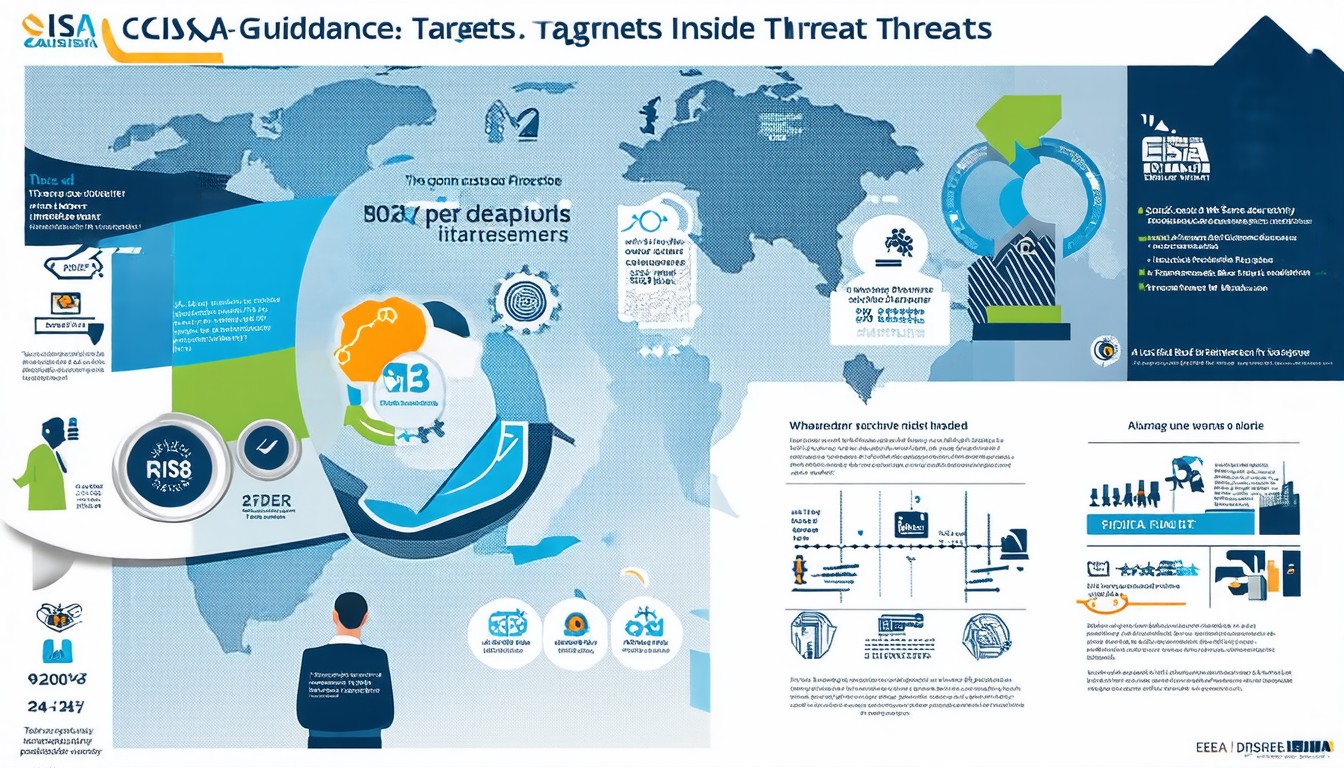
The Cybersecurity and Infrastructure Security Agency (CISA) has recently released a new infographic aimed at addressing the growing threat of insider risks in organizations. This move comes as a direct response to the increasing number of cyber incidents perpetrated by individuals with insider access to sensitive information and systems. The infographic, titled "Managing Insider Threats: A Comprehensive Approach," provides actionable strategies for businesses and government agencies to mitigate these risks effectively.
Insider threats, which include malicious actions by current or former employees, contractors, or third-party vendors, have become a significant concern for organizations across various sectors. These threats can range from accidental data leaks to intentional sabotage, posing serious risks to national security, financial stability, and reputational integrity. According to recent studies, insider threats account for a substantial portion of all cyber incidents, with damages often exceeding those caused by external attackers.
In response to this growing challenge, CISA has outlined key strategies in its new infographic. The first step emphasizes the importance of establishing a strong insider threat program, which includes policies, procedures, and training for employees. Organizations are encouraged to conduct regular risk assessments to identify potential vulnerabilities and develop tailored threat detection mechanisms. This proactive approach can help identify suspicious activities early on, allowing for timely intervention and containment of potential breaches.
Another critical component highlighted in the infographic is the need for robust access management practices. By implementing the principle of least privilege—where users are granted only the minimum level of access necessary to perform their job functions—organizations can significantly reduce the risk of insider threats. Additionally, regular access reviews and timely revocation of access rights when employees leave or change roles are essential to maintaining security.
The infographic also underscores the importance of monitoring and analyzing user behavior. Advanced threat detection tools, such as anomaly detection systems and behavioral analytics, can help identify deviations from normal patterns, indicating potential insider threats. Organizations are advised to invest in these technologies and ensure that their security teams are trained to interpret and respond to such alerts effectively.
Furthermore, the infographic stresses the need for a culture of vigilance and awareness among employees. Regular training sessions and simulations can help employees recognize and report suspicious activities, fostering a proactive security posture. Encouraging open communication channels and whistleblower programs can also empower employees to report concerns without fear of retaliation.
CISA's new guidance also addresses the role of incident response in managing insider threats. Organizations are urged to develop and test comprehensive incident response plans that include procedures for containing the threat, investigating the incident, and mitigating its impact. This preparedness can help minimize the damage caused by insider threats and ensure a swift recovery.
In addition to these strategies, the infographic highlights the importance of collaboration and information sharing among organizations and law enforcement agencies. By sharing intelligence and best practices, the cybersecurity community can collectively enhance its defenses against insider threats.
The release of this infographic by CISA is a significant step towards addressing the complex and evolving landscape of insider threats. By providing clear, actionable guidance, the agency aims to empower organizations to better protect their sensitive information and systems. As insider threats continue to pose a growing challenge, it is crucial for businesses and government agencies to adopt these strategies and remain vigilant in their efforts to safeguard against these insidious risks.









