New Chef Program Helps People With Autism Find Jobs in Fine-Dining Restaurants
Culinary jobs have the potential to be a perfect fit, and a new effort is afoot to help autistic workers land them.
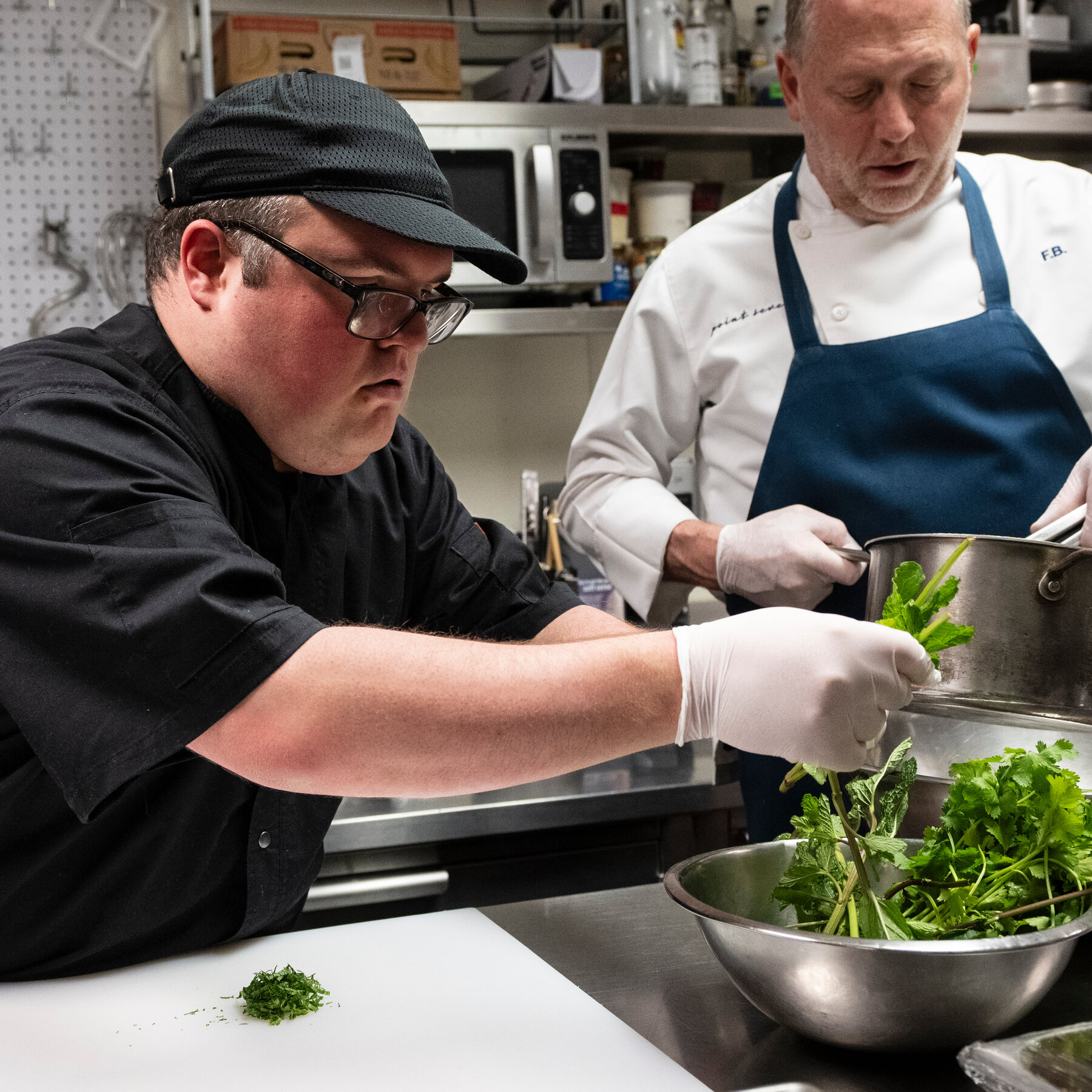
In a groundbreaking initiative to bridge the gap between culinary opportunities and individuals on the autism spectrum, a new program is underway to help these individuals secure jobs in fine-dining restaurants. This program, inspired by the personal experiences of Joseph Valentino, a cook at Point Seven in Manhattan, aims to unlock a world of career possibilities for those with autism.
Joseph Valentino, who has autism, found a unique sense of fulfillment in his culinary career. His journey began when he was introduced to the world of professional cooking, a field that initially seemed daunting. However, through determination and support, Valentino discovered that the structured environment of a kitchen provided a stable and rewarding setting for his talents. His success at Point Seven, a popular Manhattan restaurant, has not only given him a meaningful career but has also inspired others in his community.
The new program, which is still in its early stages, focuses on identifying individuals on the autism spectrum who are interested in pursuing careers in fine-dining establishments. By collaborating with professionals in the culinary field, the program aims to provide targeted training and support to help these individuals build the necessary skills and confidence to excel in their chosen profession.
One of the key challenges faced by individuals with autism when entering the workforce is the perception that they may not be a good fit for certain environments. However, the culinary industry, with its structured routines and clear expectations, can often be a perfect match. The program recognizes this potential and is working to harness it, providing job seekers with the tools they need to succeed.
The program's founders emphasize the importance of creating a supportive and inclusive work environment. They believe that by fostering understanding and empathy among restaurant staff and management, individuals with autism can thrive in their roles. This includes providing training for existing employees on how to effectively communicate and collaborate with colleagues who have different needs.
Joseph Valentino's story serves as a powerful testament to the potential of this program. His ability to excel in a high-pressure environment like a fine-dining kitchen demonstrates that individuals with autism can bring unique strengths to the culinary world. By sharing his experiences and inspiring others, Valentino has become a key figure in advocating for greater opportunities in the industry.
The program's launch has been met with enthusiasm from both the culinary community and those in the autism community. Restaurants that participate in the initiative are not only investing in skilled workers but also in a more diverse and inclusive workforce. For individuals with autism, this program represents a gateway to a fulfilling career that aligns with their passions and abilities.
As the program expands, its organizers hope to create a ripple effect, encouraging more fine-dining restaurants to open their doors to individuals on the autism spectrum. By doing so, they aim to reshape perceptions and create a more inclusive culinary landscape.
In conclusion, the new chef program is a beacon of hope for those with autism seeking meaningful employment in the fine-dining industry. By leveraging the structured nature of culinary work and fostering an inclusive environment, this initiative is paving the way for a brighter future for many. As more individuals with autism find their place in the world of professional cooking, the culinary scene is poised to become even richer and more diverse.