New Chef Program Helps People With Autism Find Jobs in Fine-Dining Restaurants
Culinary jobs have the potential to be a perfect fit, and a new effort is afoot to help autistic workers land them.
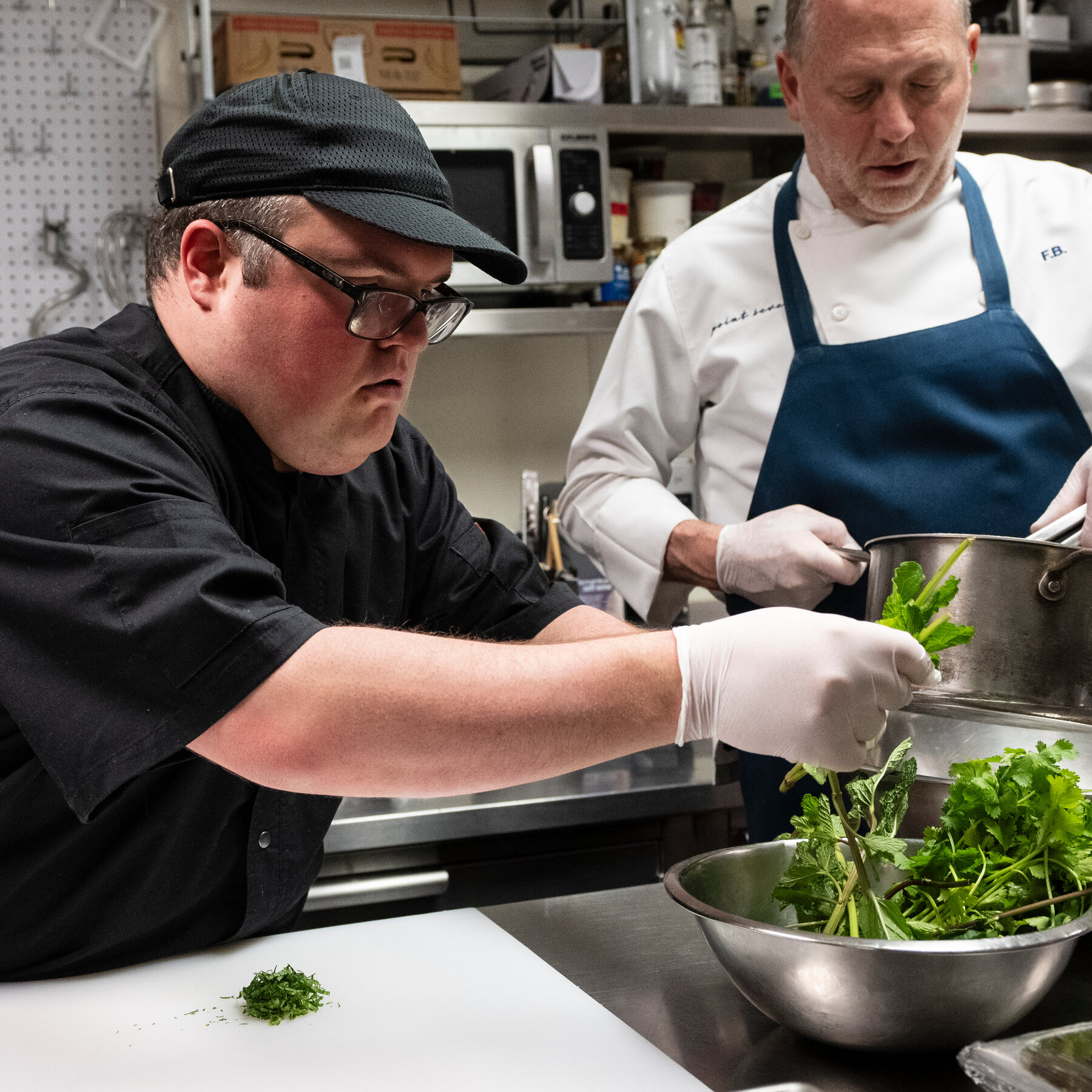
In a groundbreaking initiative to bridge the gap between culinary opportunities and individuals on the autism spectrum, a new program is underway to help these individuals secure jobs in fine-dining restaurants. This program, inspired by the personal journey of Joseph Valentino, a cook at Point Seven in Manhattan, aims to unlock a promising career path for those with autism.
Joseph Valentino, who has autism, found a unique sense of fulfillment in the culinary world. His experience at Point Seven, a restaurant known for its innovative and elegant dishes, served as a catalyst for change. Valentino's success in a high-pressure environment, coupled with his passion for food, demonstrated that individuals with autism could thrive in fine-dining settings. This realization led to the creation of a program designed to identify and support autistic individuals interested in pursuing careers in the culinary arts.
The program, which is still in its early stages, focuses on several key areas. Firstly, it provides comprehensive training and support to help individuals with autism develop the necessary skills for culinary jobs. This includes hands-on cooking classes, job readiness workshops, and mentorship from experienced chefs. The program also emphasizes the importance of understanding and accommodating the unique needs of individuals on the autism spectrum, such as sensory accommodations and structured work environments.
Another critical aspect of the program is its partnership with fine-dining restaurants. By collaborating with establishments like Point Seven, the initiative helps create a supportive network for autistic employees. Restaurants are encouraged to offer flexible schedules, clear communication, and a welcoming atmosphere to ensure that individuals with autism can perform at their best. This partnership not only benefits the employees but also enhances the overall quality of service and reputation of the restaurants involved.
The program's founders recognize that there are still significant challenges to overcome. Stereotypes and misconceptions about the abilities of individuals with autism often hinder their employment opportunities. However, the success of Joseph Valentino and others like him serves as a powerful testament to the potential of autistic individuals in the culinary world. By highlighting these success stories, the program aims to shift perceptions and encourage more employers to consider hiring individuals with autism.
In addition to job placement, the program also focuses on long-term support and career development. Ongoing mentorship and resources are provided to help employees navigate the complexities of the culinary industry and advance their skills. This comprehensive approach ensures that individuals with autism are not only equipped with the necessary knowledge but also have the support they need to succeed in their careers.
The initiative's impact is already being felt in the culinary landscape. As more autistic individuals find employment in fine-dining restaurants, they bring unique perspectives and talents to the table. Their dedication, attention to detail, and passion for food often result in exceptional contributions to the culinary experience. Moreover, these employees often thrive in environments that prioritize structure and clarity, which are increasingly valued in the competitive fine-dining market.
Despite the promising start, the program faces challenges in scaling its operations and reaching a wider audience. Limited funding and the need for continued advocacy are hurdles that must be addressed to ensure the program's long-term success. However, the passion and commitment of those involved, including Joseph Valentino, provide a strong foundation for future growth.
In conclusion, the new chef program for individuals with autism represents a significant step forward in breaking down barriers to employment. By providing targeted training, support, and partnerships with fine-dining restaurants, the initiative not only helps individuals with autism find fulfilling careers but also enriches the culinary world with diverse talents and perspectives. As the program continues to evolve, it holds the potential to reshape the future of the culinary industry and create a more inclusive workplace for all.