Nepal vows action against trekker rescue scam
KATHMANDU — Nepal's government has developed tough measures to stamp out insurance scams involving unnecessary helicopter rescues of trekkers, an official said Tuesday, a long-running racket threatening the country's vital tourism industry.
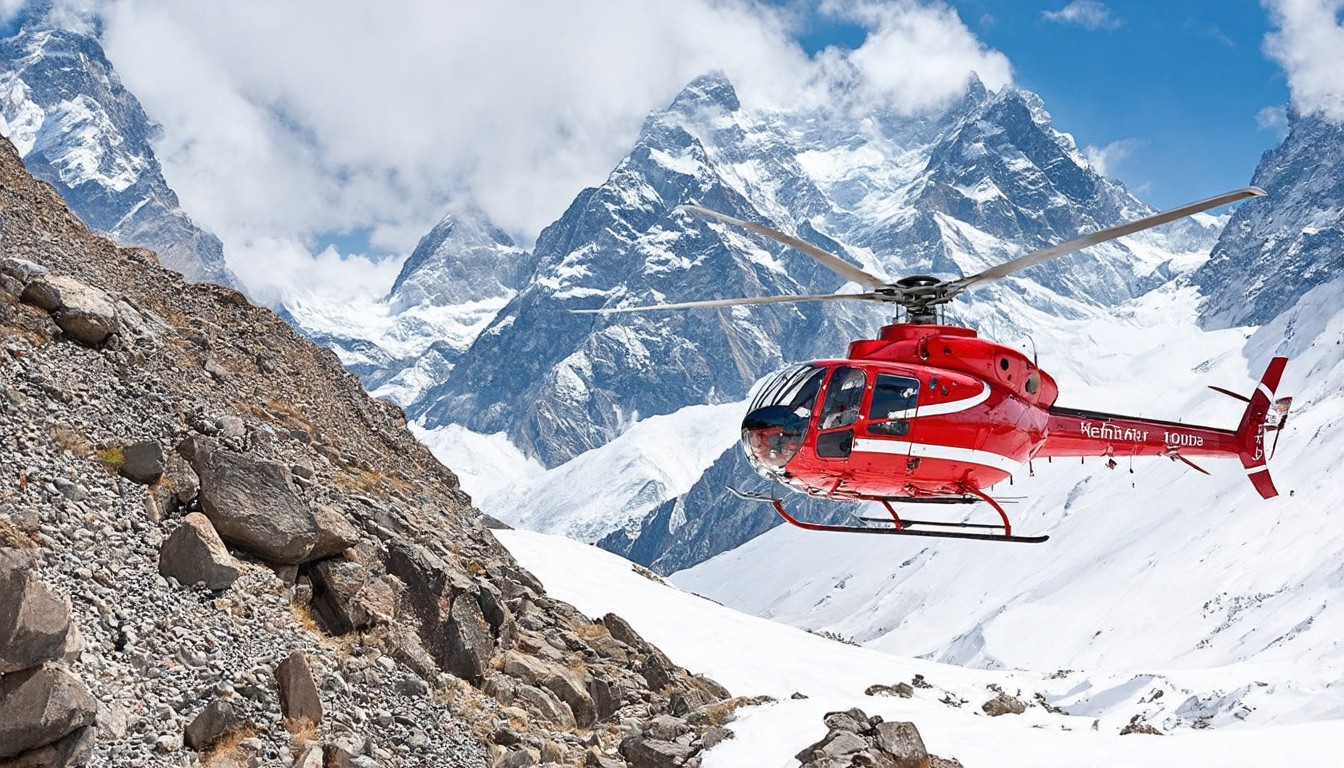
Nepal's government has taken a firm stance against the growing problem of insurance scams involving unnecessary helicopter rescues of trekkers, a long-standing issue that has been undermining the country's tourism industry. The recent announcement comes as authorities seek to protect both the financial interests of the nation and the safety of tourists visiting Nepal's popular hiking trails.
The scam, which has been plaguing the sector for years, involves tourists and their insurance companies filing false claims for helicopter rescues, often citing non-existent injuries or emergencies. These false claims result in significant financial burdens for insurance companies and, ultimately, taxpayers, while also diverting valuable resources from genuine rescue operations. The government has recognized the need to act swiftly to prevent such abuses and safeguard the reputation of Nepal as a top destination for adventure tourism.
In response to the crisis, the Nepalese authorities have introduced a series of stringent measures aimed at curbing the scam. These include increased scrutiny of insurance claims, stricter regulations on helicopter operators, and enhanced collaboration between government agencies, tourism boards, and insurance providers. The government has also pledged to raise public awareness about the issue, encouraging tourists to report any suspicious activities and promoting transparency in the rescue operations process.
One of the key components of the government's strategy is to tighten the regulatory framework surrounding helicopter rescue services. Authorities plan to conduct regular inspections of operators to ensure they adhere to safety standards and are not engaging in fraudulent activities. Additionally, the government is exploring the possibility of introducing a licensing system for helicopter operators, which would require them to meet specific criteria and undergo regular audits.
Another critical measure is the enhancement of collaboration between government agencies and insurance companies. By sharing information and resources, these entities can better identify and investigate potential scams. The government has also emphasized the importance of working closely with tourism boards to monitor the situation on the ground and address any issues that arise.
The scam has had a significant impact on Nepal's tourism industry, which relies heavily on international visitors. The country's popular trekking routes, such as the Annapurna and Everest trails, attract millions of tourists each year. However, the perception of unreliable rescue services and the associated financial risks have led some visitors to reconsider their plans, resulting in a decline in tourism revenue.
To combat this, the government is also focusing on promoting the safety of trekking in Nepal. This includes investing in better infrastructure, such as improved trail maintenance and emergency communication systems, as well as providing comprehensive information to tourists about the risks and precautions associated with trekking. By demonstrating a commitment to ensuring the safety and well-being of visitors, Nepal hopes to restore public confidence in its adventure tourism offerings.
The implementation of these measures is expected to take time, but the government is determined to tackle the issue head-on. The long-term goal is to create a sustainable and ethical tourism industry that benefits both the country and its visitors. By taking a firm stand against the scam, Nepal is not only protecting its financial interests but also safeguarding the reputation of a sector that is crucial to its economy and cultural identity.
In conclusion, Nepal's government is taking decisive action to address the growing problem of insurance scams involving unnecessary helicopter rescues of trekkers. Through a combination of regulatory reforms, increased collaboration between stakeholders, and a focus on promoting safety and transparency, the authorities aim to protect the vital tourism industry and ensure the well-being of visitors. While the challenges are significant, the government's determination to tackle the issue demonstrates a commitment to building a more secure and prosperous future for Nepal's adventure tourism sector.