
Nepal probe exposes $20M fraudulent rescue scheme involving lacing Mt Everest hikers' food: report
Insurance companies are being scammed out of money by fraudulent rescue schemes in the nation of Nepal, according to a report by The Kathmandu Post.
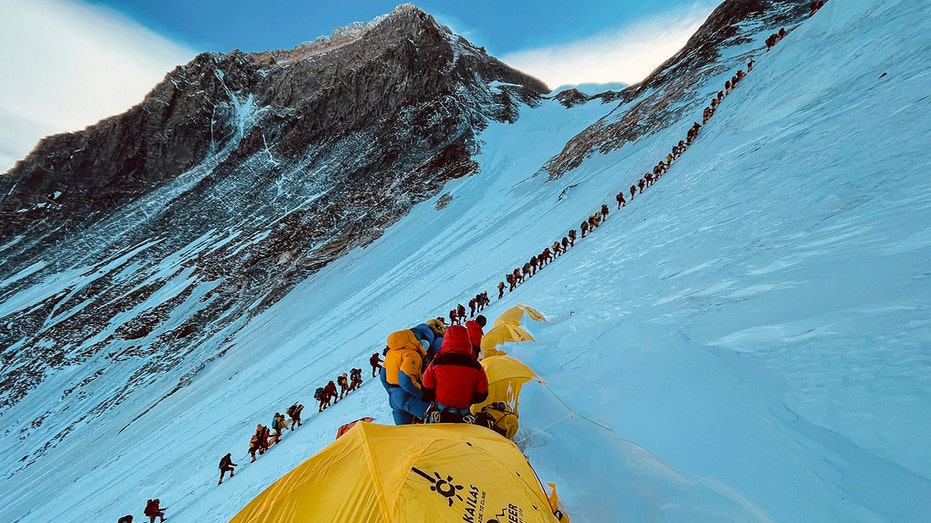
A recent report by The Kathmandu Post has exposed a massive $20 million fraudulent rescue scheme in Nepal, targeting insurance companies and exploiting unsuspecting hikers near Mount Everest. The investigation, which has been ongoing for several years, reveals that unscrupulous guides and hotel staff have been orchestrating fake or induced mountain rescues, often involving the manipulation of hikers' health.
Mount Everest, the world's highest peak, attracts adventurous individuals from around the globe. Located on the border of Nepal and the Tibet Autonomous Region of China, the mountain presents both awe and danger. For many, the allure of standing atop the world's tallest peak is irresistible, but the perils of the climb are significant. The Kathmandu Post has documented how some guides have taken advantage of these challenges to defraud insurance companies and endanger hikers.
In 2018, The Kathmandu Post first reported on the fraudulent rescue schemes. Following this exposure, the Nepalese government established a fact-finding committee, which produced a 700-page report and recommended reforms. However, last year, the Nepal Police's Central Investigation Bureau (CIB) reopened the case and discovered that the fraud had not only persisted but was on the rise.
The CIB probe has identified two primary fraudulent scenarios. In the first, guides allegedly persuade exhausted hikers who do not wish to walk back down the mountain that if they pretend to be ill, a helicopter will be dispatched to rescue them. The second scenario involves guides and hotel staff allegedly coaching each other to scare trekkers at high altitudes, where altitude sickness can occur. They claim that the trekkers are in imminent danger of dying and that only an immediate evacuation can save them.
In some instances, investigators have uncovered evidence that Diamox (acetazolamide) tablets, commonly used to prevent altitude sickness, were administered in conjunction with excessive water intake to induce symptoms that would justify a rescue. In at least one case, guides allegedly laced food with baking powder to cause illness, as reported by The Kathmandu Post.
The CIB has also documented a case in which four individuals were picked up in a single helicopter flight, but insurance claims were filed for each as if they required separate rescues. This highlights the scale of the fraud and the potential for significant financial gain for those involved.
The exposure of this fraudulent scheme has raised concerns about the safety of hikers and climbers in the region. While the Nepalese government has taken steps to address the issue, the CIB's reopening of the case suggests that the problem remains far from resolved. The Kathmandu Post's reporting has played a crucial role in bringing this issue to light, and it remains to be seen whether the government's reforms will be sufficient to prevent such fraud from continuing.
As the number of tourists and adventurers seeking to climb Mount Everest continues to grow, so too does the potential for exploitation. The fraudulent rescue schemes exposed by The Kathmandu Post serve as a stark reminder of the risks faced by those who venture into the dangerous terrain of the world's highest peak. For hikers, the allure of standing atop the mountain must be weighed against the potential dangers, both from the environment and from those seeking to exploit their vulnerability.
The Kathmandu Post's investigation has not only uncovered a significant fraud but has also highlighted the need for greater transparency and accountability in the mountaineering industry. As the Nepalese government works to implement reforms, it will be crucial to ensure that these measures are effective in protecting hikers and preventing further instances of fraud.
In the meantime, potential climbers and hikers in the region must be vigilant and informed about the risks they may face. Understanding the potential dangers associated with altitude sickness and the tactics used by fraudsters is essential for ensuring a safe and enjoyable experience. For those who choose to tackle the challenges of Mount Everest, it is crucial to do so with the knowledge that the stakes are high, both in terms of physical safety and financial risk.
The exposure of the $20 million fraudulent rescue scheme in Nepal serves as a cautionary tale for those venturing into the treacherous terrain of Mount Everest. As the Nepalese government works to address the issue, it remains the responsibility of hikers and climbers to stay informed and take necessary precautions to protect themselves from those seeking to exploit their vulnerability. The Kathmandu Post's reporting has brought this issue to light, and it is now up to all stakeholders to work together to ensure that the mountain remains a place of awe and adventure, rather than one dominated by fraud and deceit.








