
Nepal announces two-day weekends to fight energy crunch
This comes into effect this week for the civil service and educational institutions, which had only Saturdays off.
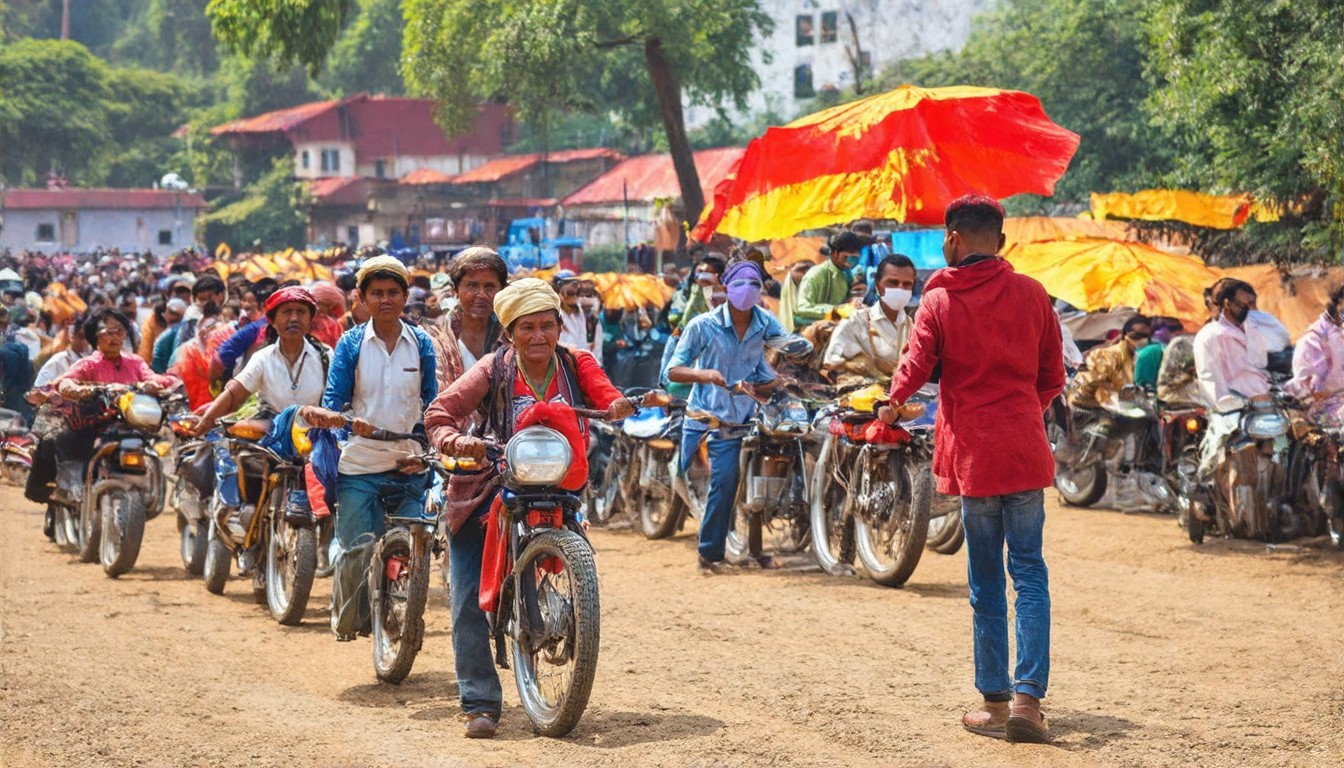
Nepal has recently announced a bold move to combat its severe energy crisis by introducing two-day weekends for civil service employees and educational institutions. This initiative, which is set to take effect this week, marks a significant shift from the previous arrangement where these sectors only had Saturdays off. The government hopes that this change will help alleviate the country's energy shortages by reducing peak demand during weekdays.
The decision to extend the weekend to two days follows months of growing concerns over Nepal's energy crunch. The country has been grappling with power outages and shortages, particularly in urban areas, due to a combination of factors including inadequate electricity generation, outdated infrastructure, and rising demand. The government has recognized that reducing energy consumption during peak hours is crucial to stabilizing the power supply.
The new policy will initially apply to civil service employees and educational institutions, which were previously allocated only one day of rest. By extending their weekends, the government aims to reduce the number of people relying on electricity during weekdays, thereby decreasing the strain on the power grid. This move is part of a broader strategy to conserve energy and promote sustainable practices across the nation.
The implementation of two-day weekends is expected to have a ripple effect on other sectors as well. While the announcement specifically targets civil service and educational institutions, the government has hinted that similar measures might be considered for other industries in the future. This could potentially lead to a nationwide reduction in energy consumption, helping to ease the pressure on the already strained power system.
However, the transition to two-day weekends is not without its challenges. Civil service employees and educational institutions will need to adjust their work schedules, which may require reorganizing their operations. There are also concerns about the potential impact on productivity and the economy. Some experts have suggested that the extended weekend could lead to a decrease in work output, particularly if employees are not adequately compensated for the reduced working days.
Despite these concerns, the government remains optimistic about the benefits of the new policy. Officials argue that the energy savings will outweigh any short-term disruptions, ultimately leading to a more stable and sustainable energy supply. They also emphasize that this is just one step in a larger plan to address Nepal's energy challenges, which includes investing in renewable energy sources and improving the efficiency of the power sector.
The introduction of two-day weekends is a unique approach to tackling Nepal's energy crisis, and its success will depend on how effectively the government manages the transition. As the policy takes effect, it will be interesting to see how it impacts energy consumption patterns and whether it contributes to a more sustainable energy future for the country. For now, the government is hopeful that this bold initiative will help Nepal overcome its energy crunch and pave the way for a brighter, more stable future.









