Nearly 500 elderly folk killed by family caregivers in Japan from 2006 to 2024
The survey highlights the increasingly harsh environment surrounding in-home caregiving.
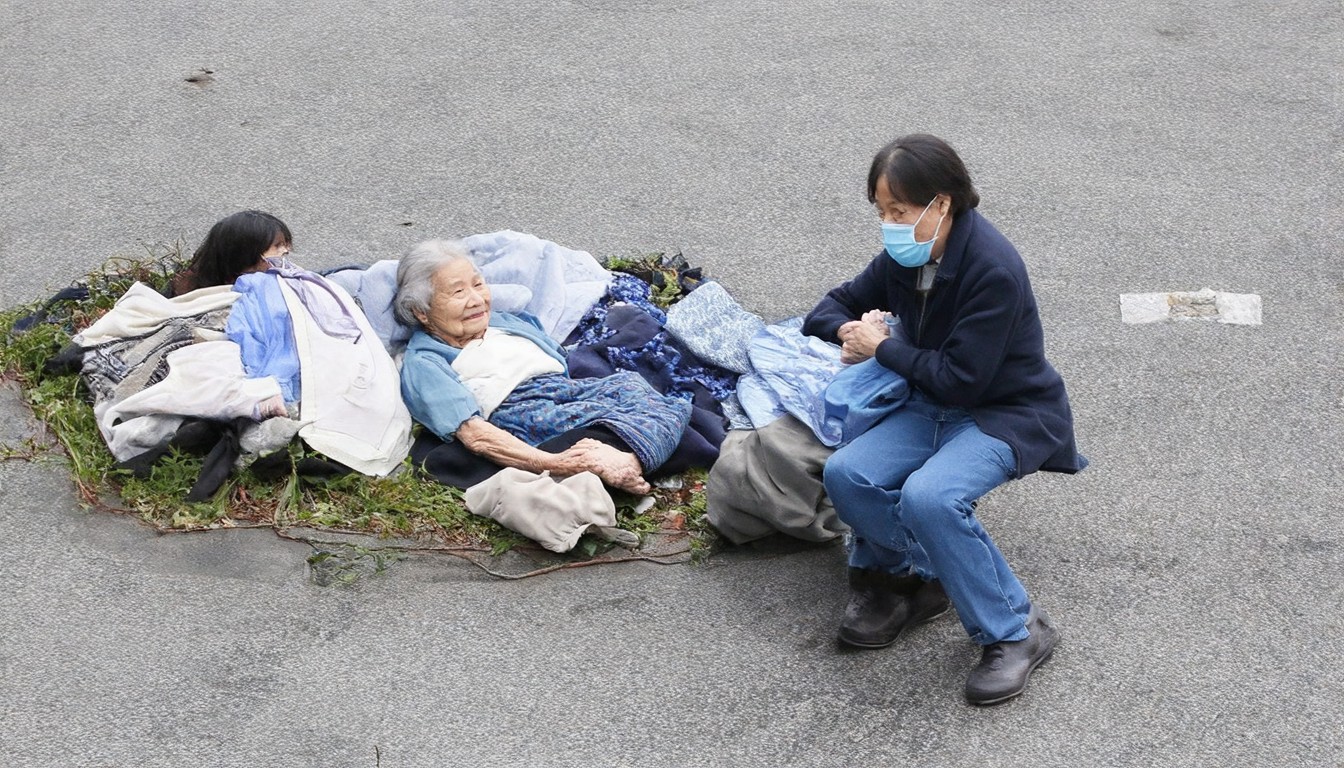
In recent years, Japan has faced a troubling revelation about the state of in-home caregiving for the elderly. A comprehensive survey conducted over the past decade has uncovered that nearly 500 elderly individuals have been killed by their family caregivers between 2006 and 2024. This alarming statistic underscores the growing challenges and pressures faced by both caregivers and the elderly population in Japan, highlighting the need for urgent reforms in the country's aging society.
The survey, which was conducted by a coalition of government agencies and social welfare organizations, aimed to assess the effectiveness of in-home care systems and the well-being of those reliant on such services. The findings, however, revealed a darker side of the in-home caregiving environment, with a significant number of cases of elder abuse and neglect. The majority of these incidents occurred within family settings, where caregivers were often children or other relatives of the elderly victims.
The harsh realities of in-home caregiving in Japan can be traced back to the country's rapidly aging population. With an aging demographic, the demand for caregiving services has skyrocketed, placing immense pressure on family members to take on these responsibilities. Many families struggle to balance work, caregiving duties, and their own well-being, leading to stress and emotional exhaustion. This environment can create a toxic atmosphere where caregivers may resort to extreme measures, resulting in tragic outcomes.
The survey also revealed that the majority of the killings were committed by middle-aged caregivers, primarily daughters or sons, who were often overburdened by the demands of caregiving. In many cases, the killings were motivated by a desire to end the suffering of both the caregiver and the elderly individual, or by financial considerations. The survey highlighted the lack of adequate support systems and resources available to caregivers, leaving many without the necessary tools or assistance to cope with the pressures of their situation.
The Japanese government has acknowledged the severity of the issue and has pledged to implement reforms to address the challenges faced by in-home caregivers. This includes increasing funding for caregiver support services, expanding access to professional caregivers, and improving the legal framework to better protect the elderly from abuse. Additionally, the government is encouraging the development of community-based care networks to alleviate some of the burden on family caregivers.
Despite these efforts, the survey's findings serve as a stark reminder of the ongoing struggles within Japanese society. The country's aging population and the pressures placed on family caregivers continue to pose significant challenges, requiring a concerted effort from all stakeholders to ensure the well-being of both caregivers and the elderly.
In conclusion, the revelation of nearly 500 elderly deaths at the hands of family caregivers in Japan between 2006 and 2024 underscores the urgent need for systemic changes in the country's in-home caregiving environment. The harsh realities faced by caregivers and the elderly highlight the necessity for comprehensive reforms, including improved support systems, increased access to professional care, and stronger legal protections. Only through collective action can Japan address the complex challenges posed by its aging society and ensure the safety and dignity of its elderly population.