
NASA’s Artemis II mission to fly around the far side of the Moon
Humans haven’t stepped foot on the Moon since NASA’s Apollo 17 mission in 1972. Now, the space agency is racing to get back to the lunar surface under the umbrella of its Artemis program — a nod to the Greek goddess and twin sister of Apollo, whose name was given to NASA’s first program to […]
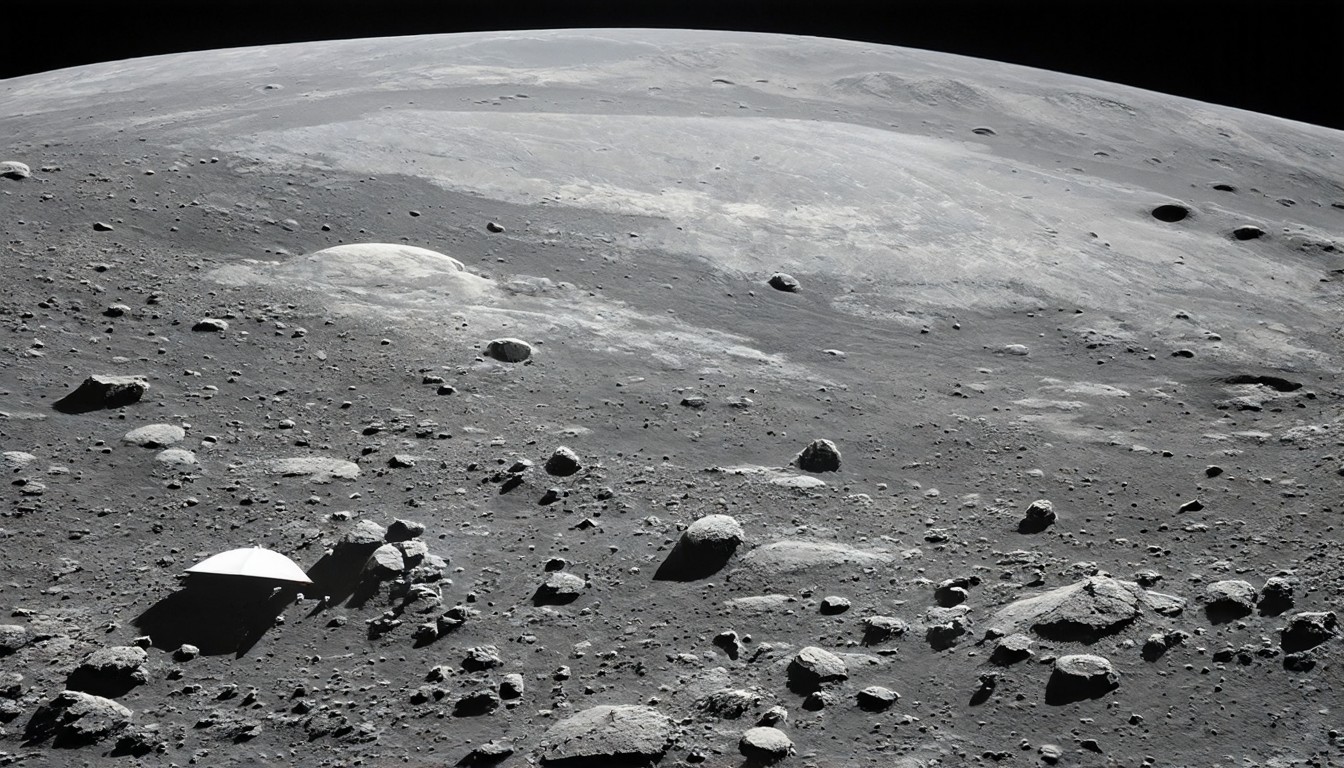
Humans haven't stepped foot on the Moon since NASA's Apollo 17 mission in 1972, marking a significant gap in human lunar exploration. Now, the space agency is determined to reestablish a presence on the lunar surface through its Artemis program, named after the Greek goddess Artemis, the twin sister of Apollo. The program's goal is to create a sustainable presence near the Moon, moving beyond the brief visits of the Apollo era to establish long-term human activity.
The Artemis program has faced numerous challenges over the years, including delays, development setbacks, and budget overruns. Despite these obstacles, the mission remains a bold endeavor, with the ultimate aim of returning humans to the Moon and eventually establishing a lunar base. One of the program's key objectives is to send the first woman to the Moon, furthering gender equality in space exploration.
Artemis I, the uncrewed mission, successfully completed its journey in 2022, marking a critical milestone on the path to lunar return. The next step, Artemis II, launched on April 2nd, 2026, from the Kennedy Space Center, carrying four astronauts in its Orion capsule. The mission's plan is to travel around the Moon before returning to Earth in approximately 10 days. This journey will serve as a test of the hardware and systems that will be essential for future missions, including the Artemis IV mission scheduled for 2028, which aims to land humans on the Moon for the first time in over 50 years.
On April 6th, 2026, the Artemis II astronauts are set to break the record for the furthest distance humans have traveled away from Earth. This historic milestone will be broadcast live on YouTube and Netflix, allowing millions of viewers to witness the moment. As the Orion spacecraft passes behind the Moon, a planned drop in communications will occur, adding an element of suspense to the live broadcast.
The far side of the Moon, often shrouded in mystery, will be the backdrop for this groundbreaking mission. As the astronauts journey 230,000 miles from Earth, they will be able to escape the distractions of Earthly concerns and focus on the extraordinary experience of exploring the lunar environment. The Artemis II mission is more than halfway to the Moon, and the world watches with anticipation as humanity takes another giant leap in space exploration.
The Artemis program represents a renewed commitment to lunar exploration, with the potential to unlock new discoveries and advancements in technology and science. By revisiting the Moon, NASA hopes to pave the way for future missions to Mars and other distant destinations, furthering humanity's quest to explore the cosmos and understand our place in the universe. As the Artemis II mission progresses, the world bears witness to a new chapter in space history, inspired by the visionary goals of the Artemis program.








