
NASA Unveils Its $20 Billion Moon Base Plan—and a Nuclear Spacecraft for Mars
The three-phase plan calls for up to 30 robotic missions, including a fleet of rocket-powered moon hoppers. The post NASA Unveils Its $20 Billion Moon Base Plan—and a Nuclear Spacecraft for Mars appeared first on SingularityHub .
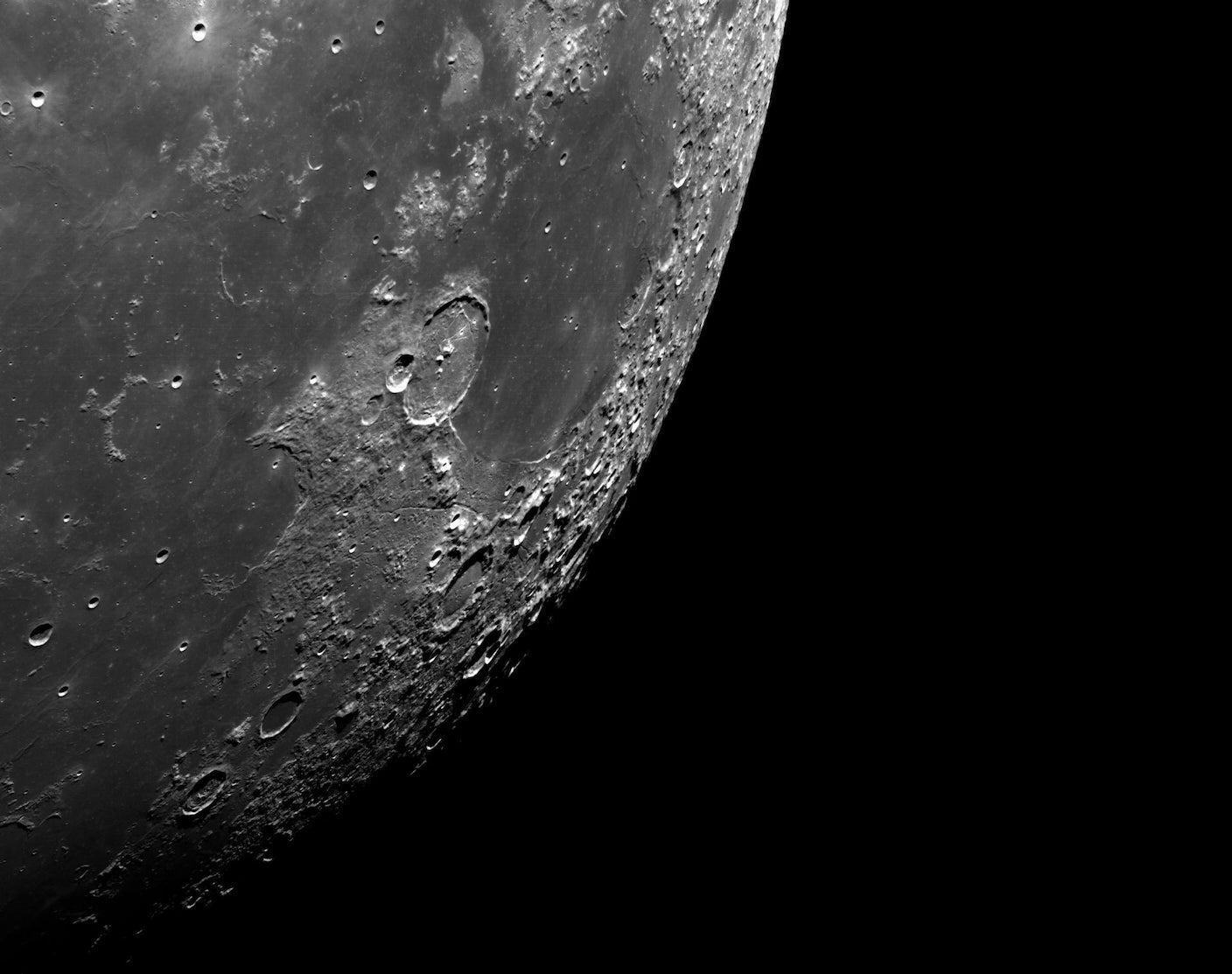
NASA has unveiled a groundbreaking $20 billion plan to establish a permanent lunar base and launch a Mars mission featuring nuclear propulsion, marking a significant leap in space exploration. The ambitious three-phase plan, announced at the Ignition event by NASA Administrator Jared Isaacman, aims to solidify America's leadership in space and respond to the growing competition from countries like China.
The first phase of the lunar base project focuses on transitioning from sporadic, custom missions to regular and repeatable ones. This shift will allow NASA to test and refine the mobility, power generation, communications, and navigation technologies necessary to support a sustained human presence on the moon. To achieve this, the agency plans to significantly expand its Commercial Lunar Payload Services program, which currently manages cargo deliveries to the lunar surface.
The second phase of the plan involves the construction of a lunar outpost capable of supporting astronauts for extended periods. This will require the development of advanced life support systems, habitats, and resource utilization technologies. NASA is also exploring the potential of in-situ resource utilization (ISRU), which involves extracting and processing lunar materials to generate propellant, power, and construction materials. This will reduce reliance on Earth-based supplies and enable long-term sustainability.
The third and final phase of the lunar base plan entails the establishment of a permanent lunar presence. This will involve building a self-sustaining settlement with the capacity to support a growing population of astronauts. The base will serve as a gateway to deeper exploration of the solar system, including future Mars missions.
In addition to the lunar base initiative, NASA has announced plans to launch the first spacecraft to use nuclear propulsion since the 1960s. This advanced propulsion system will power a Mars mission featuring a fleet of robotic helicopters designed to explore the Martian surface. The nuclear-powered spacecraft will significantly reduce the time required to travel between Earth and Mars, enabling more frequent and extensive missions.
The announcement comes as President Trump's administration continues to prioritize the return of humans to the moon, with the Artemis 2 mission set to launch before the end of his term. This mission will mark the first crewed lunar voyage in over 50 years and is a critical step toward achieving the long-term goal of establishing a permanent lunar base.
NASA's ambitious plan is a direct response to the increasing competition in space, particularly from China, which aims to land humans on the moon by 2030 and build its own lunar base. By investing in cutting-edge technologies and expanding its mission capabilities, NASA seeks to maintain its position as a global leader in space exploration and ensure American leadership in this new era of space competition.
The success of this ambitious plan will depend on various factors, including technological advancements, international cooperation, and political support. However, the unveiling of the $20 billion lunar base plan and the nuclear-powered Mars mission demonstrate a clear commitment to pushing the boundaries of what is possible in space exploration. As the prospect of a sustained human presence beyond Earth orbit transitions from science fiction to reality, NASA's vision for the future of space exploration is poised to reshape our understanding of the universe and our place within it.








