NASA Reverses ISS Evacuation After Russian Section Leaks
NASA has reportedly reversed an evacuation order for the International Space Station (ISS) following initial concerns over two small air leaks detected in the Russian segment. The decision signals a reassessment of the immediate threat, with retired NASA astro
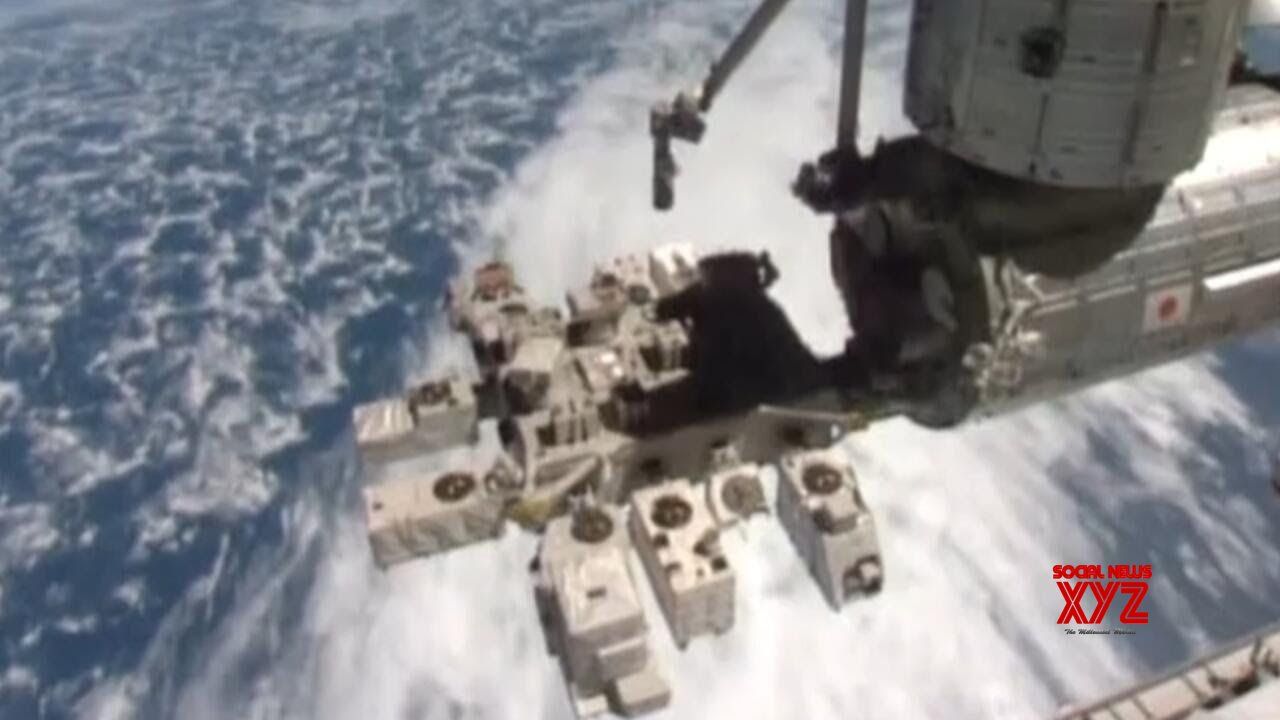
In a significant development concerning the International Space Station (ISS), the National Aeronautics and Space Administration (NASA) has reportedly rescinded an evacuation order that was previously issued. This decision comes after initial concerns were raised regarding the detection of two small air leaks within the Russian segment of the orbital outpost. The reversal indicates a careful reassessment of the situation, suggesting that the immediate threat necessitating an evacuation was either resolved or deemed less critical than initially perceived, allowing the station's crew to continue their vital work.
The International Space Station stands as a monumental achievement in human ingenuity and international cooperation, orbiting Earth approximately 400 kilometers above the surface. It serves as a unique microgravity laboratory, enabling scientific research that is impossible to conduct on Earth. Manned continuously since November 2000, the ISS is a testament to the collaborative spirit of multiple space agencies, including NASA, Roscosmos (Russia), ESA (Europe), JAXA (Japan), and CSA (Canada). The safety and operational integrity of this complex structure are paramount, given its remote and hostile environment.
Air leaks, even small ones, represent a serious concern in the vacuum of space. The ISS maintains a carefully controlled internal atmosphere, essential for the survival and comfort of its astronaut and cosmonaut crews. Any breach in the station's hull, no matter how minor, can lead to a gradual loss of this precious atmosphere. While small leaks might not pose an immediate catastrophic threat, they require diligent monitoring and prompt mitigation to prevent escalation and ensure the long-term habitability and safety of the station. Such incidents underscore the constant vigilance required in managing an orbital laboratory.
Considering an evacuation order for the ISS is a measure reserved for the most severe contingencies. Such protocols are part of a comprehensive safety framework designed to protect the crew in extreme situations, such as uncontrolled depressurization, fire, or other critical system failures. The very consideration of an evacuation highlights the gravity with which space agencies approach potential threats to human life in orbit. It typically involves preparing crew members for rapid departure in their Soyuz or Crew Dragon spacecraft, which serve as lifeboats docked to the station.
The reversal of such an order is equally significant. It implies that following further analysis, monitoring, or perhaps successful preliminary mitigation efforts, the situation no longer warranted the extreme measure of crew evacuation. This could mean that the leaks were successfully contained, their rate of depressurization was deemed manageable, or alternative safety protocols were effectively implemented. Such decisions are made by mission control teams on Earth, in close consultation with the crew, based on real-time data and expert assessment of the risks involved.
Providing crucial context and analysis on this development, retired NASA astronaut Scott Parazynski reportedly shared his insights with CBS News. Experts like Parazynski, with their firsthand experience of living and working in space, offer invaluable perspectives on the challenges and safety measures inherent in spaceflight. Their commentary helps the public understand the technical complexities and the rigorous decision-making processes that govern operations on the ISS, reinforcing confidence in the safety protocols employed by space agencies.
The fact that the leaks were identified in the Russian section of the ISS underscores the integrated nature of the station's operations. While different modules are managed by different agencies, the entire station functions as a single, interconnected habitat. Issues in one segment often require collaborative efforts from all partners for resolution. This incident serves as a reminder of the continuous, seamless cooperation between international partners, particularly NASA and Roscosmos, in maintaining the station's integrity and ensuring the safety of all personnel aboard.
Maintaining the structural integrity of the ISS against the harsh space environment is a continuous engineering challenge. The station is regularly subjected to micrometeoroid impacts and thermal stresses, which can potentially lead to minor damage over time. Advanced monitoring systems are constantly at work, scrutinizing every aspect of the station's health. When anomalies like air leaks are detected, a series of diagnostic procedures are initiated to pinpoint the source, assess the severity, and implement appropriate countermeasures, often involving intricate repairs or isolation procedures.
Life aboard the ISS is a testament to human resilience and adaptability, but it is also a constant exercise in risk management. Every aspect of the station's design, operation, and maintenance is geared towards minimizing hazards and ensuring crew safety. From redundant systems to extensive training for emergency procedures, every contingency is planned for. The incident of the air leaks and the subsequent reversal of the evacuation order highlight the dynamic nature of space operations and the critical importance of robust safety protocols and responsive ground support.
As the ISS continues its mission as humanity's outpost in low Earth orbit, incidents like these serve as crucial learning experiences. They reinforce the need for continuous technological advancement, vigilant monitoring, and unwavering international collaboration. The reversal of the evacuation order is a positive indication that the situation was brought under control, allowing the dedicated crew members to proceed with their scientific endeavors, further expanding our understanding of the universe and preparing for future deep-space explorations. The focus remains on ensuring the long-term safety and operational success of this extraordinary orbital laboratory.