Namo Bharat Rail Extended to Rishikesh, Travel Time Cut by 3 Hours
India's Namo Bharat rail service will extend from Meerut to Rishikesh, reducing travel time by three hours.
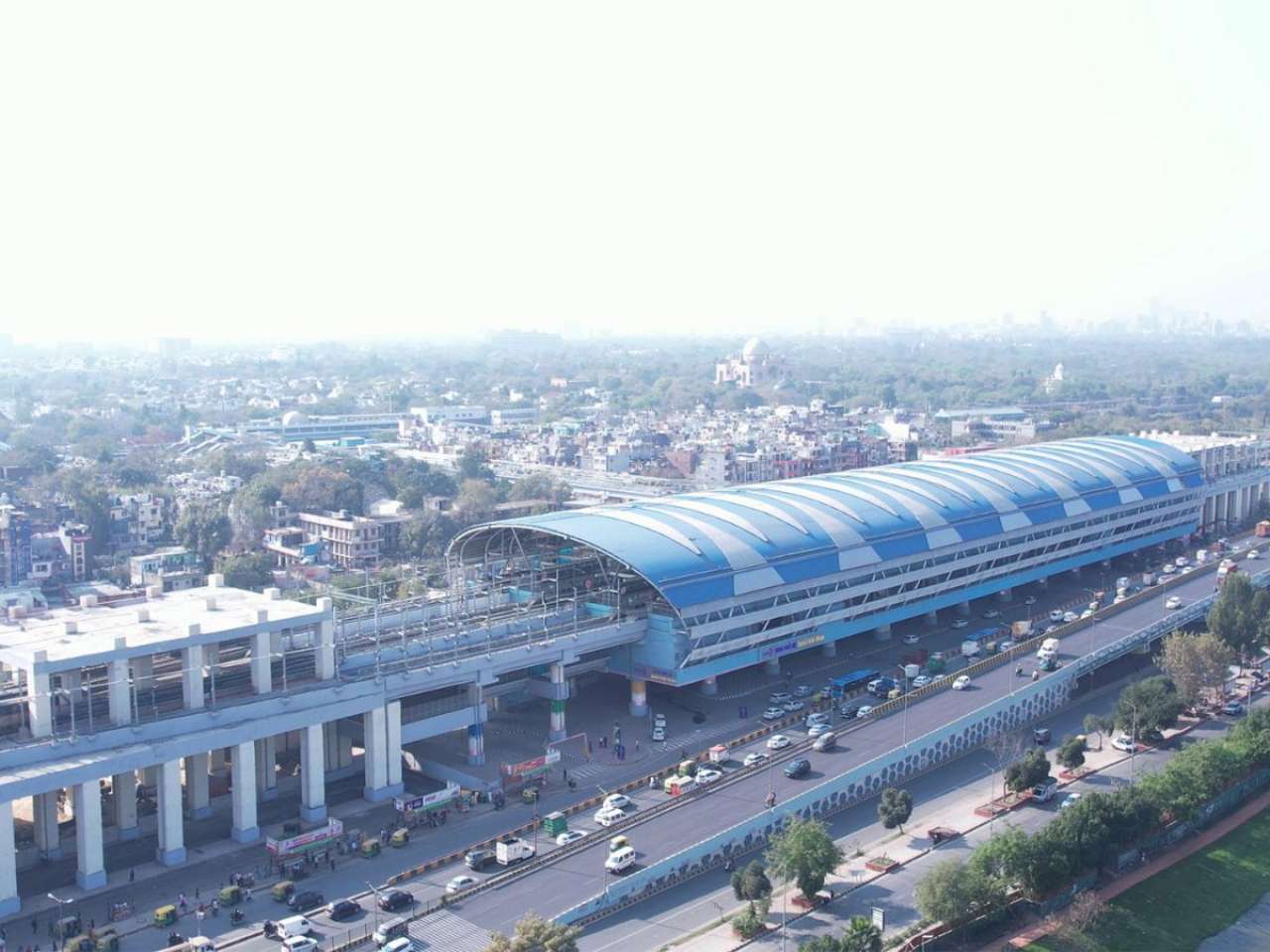
India's semi-high-speed regional rail service, Namo Bharat, is set to extend its route from Meerut, Uttar Pradesh, to Rishikesh in Uttarakhand. The 82-km corridor, which currently connects Meerut to Delhi, will be expanded by an additional 150 km, reaching Lakshman Jhula in Rishikesh. This extension is expected to cut travel time by three hours, significantly improving connectivity between the regions.
The Namo Bharat rail service, which operates at speeds of up to 160 km/h, has been a popular choice for commuters in the National Capital Region. The new extension will not only benefit existing passengers but also open up new travel options for residents of Uttarakhand. The route will pass through key cities and towns, including Delhi, and will provide a faster and more efficient mode of transport for travelers.
The extension is part of a broader initiative to enhance regional connectivity and promote economic growth. By reducing travel time between Meerut and Rishikesh, the project aims to boost tourism and business activities in the region. The improved rail service is expected to reduce the reliance on road transport, which has been a major source of traffic congestion and pollution in the area.
The project is being developed by the Indian Railways, with the support of various government agencies. The exact timeline for the completion of the extension has not been disclosed, but officials have indicated that the project is on track to be completed within the next few years. The extension is expected to have a significant impact on the local economy and the environment, as it will provide a more sustainable and efficient mode of transport.
Overall, the extension of the Namo Bharat rail service to Rishikesh represents a major step forward in India's efforts to improve regional connectivity and promote sustainable transportation. The project is expected to benefit millions of commuters and travelers, while also contributing to the economic development of the region.