
Myanmar’s new president Min Aung Hlaing faces genocide complaint filed in Indonesia
The complaint was filed by a Rohingya woman who fled Myanmar, and several Indonesian figures.
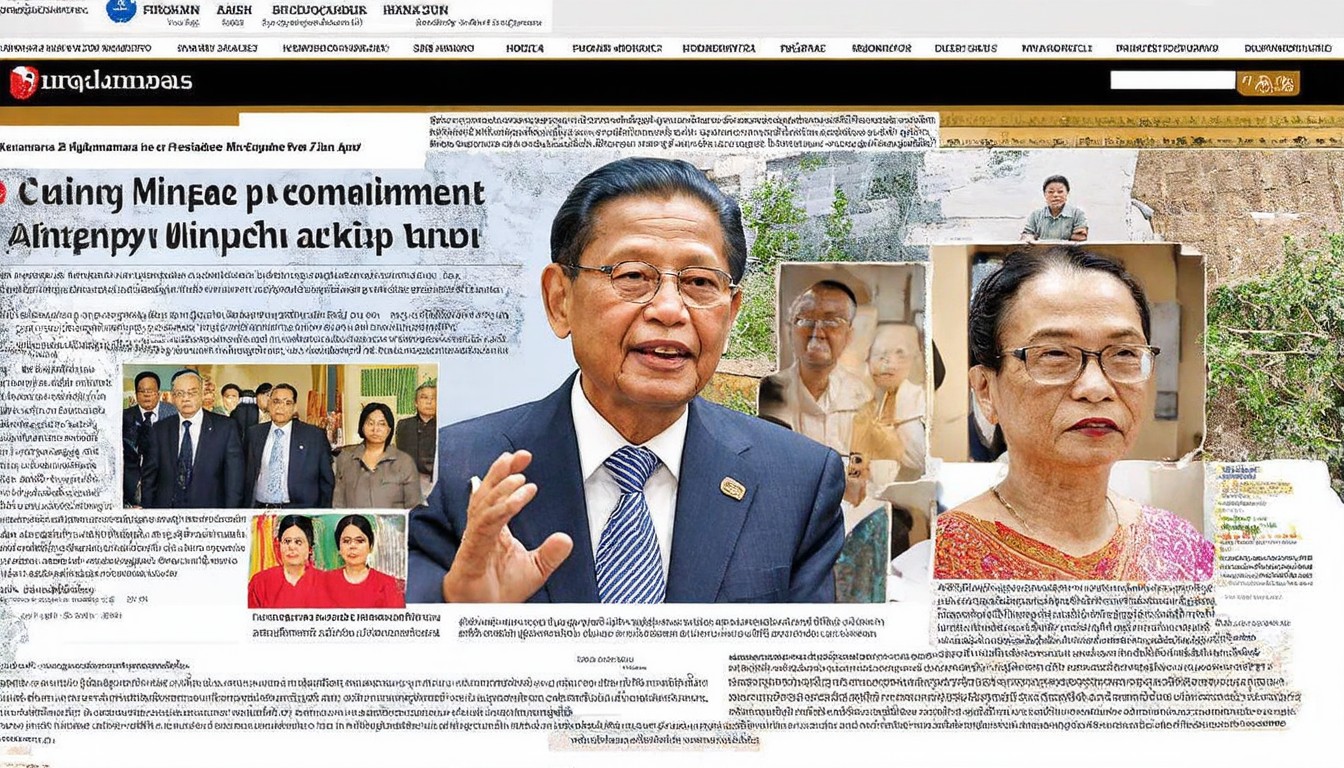
Myanmar’s new president, Min Aung Hlaing, is facing a genocide complaint filed in Indonesia by a Rohingya woman who fled Myanmar and several Indonesian figures. The complaint, which was lodged with the Indonesian government, accuses Min Aung Hlaing of orchestrating the persecution of the Rohingya people, a minority group in Myanmar.
The Rohingya woman, whose identity has not been disclosed due to her safety concerns, has been living in Indonesia since escaping Myanmar in 2017. She and the Indonesian figures involved in the complaint allege that Min Aung Hlaing’s military junta has systematically targeted the Rohingya community, leading to widespread violence, displacement, and human rights abuses. The complaint specifically cites the 2017 Rohingya crisis, during which hundreds of thousands of Rohingya people were forced to flee their homes in Rakhine State, Myanmar, following a military crackdown.
The Indonesian figures involved in the complaint include human rights activists, politicians, and community leaders. They have come together to support the Rohingya woman’s allegations and to demand accountability for the alleged genocide. The complaint highlights the ongoing persecution of the Rohingya people in Myanmar, including forced labor, sexual violence, and denial of basic rights.
The filing of this complaint in Indonesia is significant because it marks one of the first instances of legal action against a Myanmar official for alleged genocide outside of Myanmar. While the International Crimunal Court (ICC) has investigated the situation in Myanmar, it has not yet issued arrest warrants for Min Aung Hlaing or other senior military officials. The complaint in Indonesia could potentially pressure Myanmar to address the allegations and could also serve as a platform for international advocacy.
The Indonesian government has not yet officially responded to the complaint, but it has a history of hosting Rohingya refugees. Indonesia is home to the largest Rohingya community outside of Myanmar, with an estimated 100,000 to 200,000 Rohingya people living in the country. The government has been criticized for its handling of the Rohingya refugee situation, with some accusing it of exploiting the refugees for cheap labor.
The Rohingya people, who are Muslims, have long faced persecution in Myanmar, where they are not recognized as a distinct ethnic group. The situation escalated in 2017, when the Myanmar military launched a brutal crackdown on the Rohingya community, resulting in the deaths of thousands and the displacement of hundreds of thousands. Since then, the Rohingya have been living in makeshift camps in Bangladesh, facing severe humanitarian conditions.
The complaint filed in Indonesia is part of a broader global effort to hold Myanmar accountable for its actions. International organizations, including the United Nations and human rights groups, have repeatedly called for an end to the persecution of the Rohingya people and for accountability for the alleged crimes. While the legal action in Indonesia may not directly lead to prosecution, it serves as a powerful symbol of resistance and a call for international action.
As the complaint unfolds, it is likely to draw attention to the plight of the Rohingya people and the ongoing human rights crisis in Myanmar. It also raises questions about the role of individual countries in addressing international human rights abuses and the potential for legal action against perpetrators. The case in Indonesia could set a precedent for future legal challenges and may inspire further advocacy for the Rohingya community.
In conclusion, the genocide complaint filed in Indonesia against Myanmar’s president, Min Aung Hlaing, is a significant development in the ongoing struggle for justice for the Rohingya people. The allegations highlight the severity of the situation in Myanmar and the need for international accountability. While the legal outcome remains uncertain, the case underscores the determination of those affected and the global community to hold those responsible to account.








