
Myanmar’s new president Min Aung Hlaing faces genocide complaint filed in Indonesia
The complaint was filed by a Rohingya woman who fled Myanmar, and several Indonesian figures.
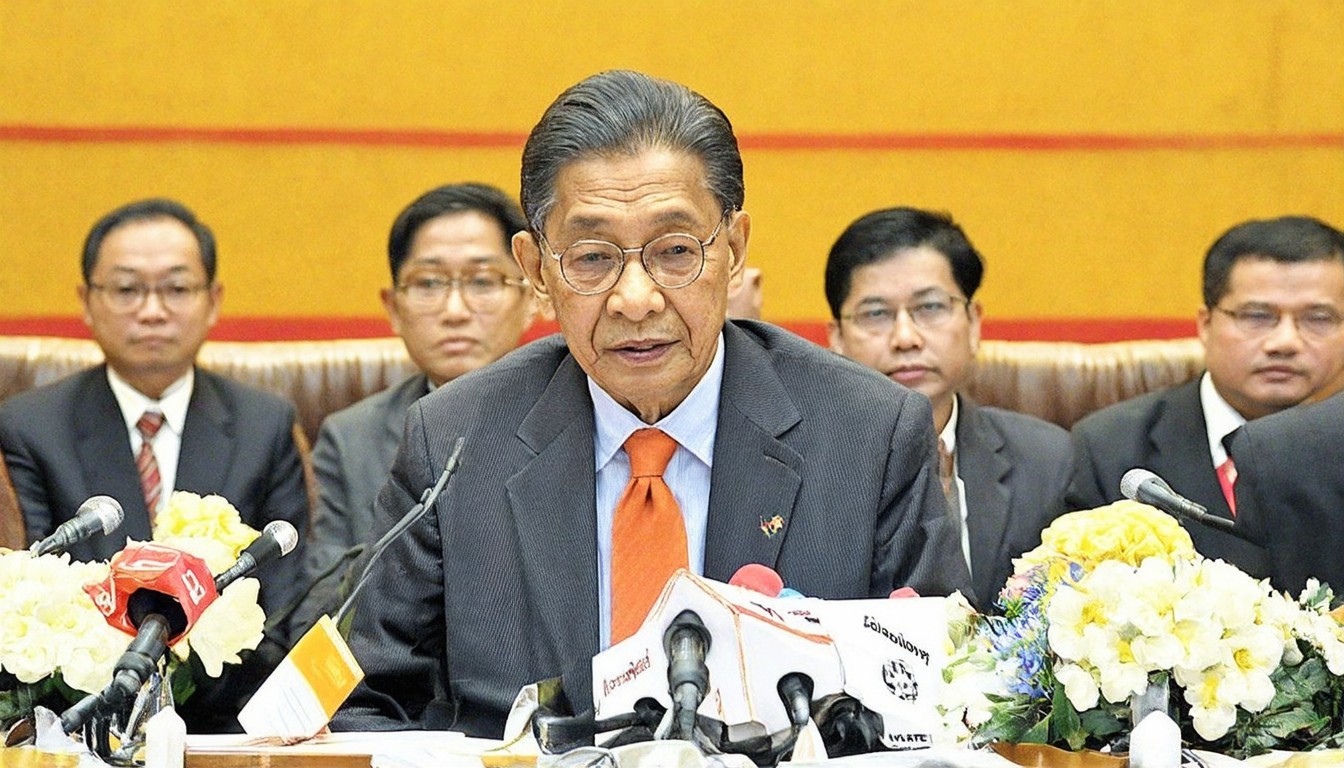
Myanmar’s new president, Min Aung Hlaing, is now the subject of a genocide complaint filed in Indonesia. The allegation, which has been brought forward by a Rohingya woman who escaped Myanmar and several Indonesian figures, marks a significant escalation in the global scrutiny of the military leader’s role in the ongoing human rights crisis in the country.
The Rohingya woman, whose identity has not been disclosed due to her ongoing fear for her safety, fled Myanmar after witnessing firsthand the atrocities committed against her community. Her decision to file the complaint in Indonesia, a country that has long been a refuge for Rohingya people, highlights the international dimension of the case. Indonesia’s role in this matter is not merely as a host nation but also as a platform for legal action against those accused of genocide.
The complaint specifically accuses Min Aung Hlaing of orchestrating a systematic campaign of violence and persecution against the Rohingya people, which has resulted in the deaths of thousands and the displacement of hundreds of thousands more. The allegations focus on the military’s actions, including mass killings, rapes, and the destruction of homes and religious sites, all aimed at eradicating the Rohingya community from Myanmar.
Indonesian figures involved in the complaint include human rights activists, lawyers, and politicians who have long advocated for the Rohingya cause. Their involvement underscores the growing international solidarity with the plight of the Rohingya people and their determination to hold those responsible to account. These figures have worked closely with the Rohingya woman to gather evidence and draft the legal complaint, which has been submitted to Indonesian authorities.
The filing of the complaint in Indonesia is significant for several reasons. Firstly, it represents a legal challenge to Min Aung Hlaing’s impunity, as he has faced similar allegations in other countries but has never been held accountable. Secondly, it highlights the importance of international cooperation in addressing human rights violations, as Indonesia’s judicial system is now tasked with evaluating the allegations.
The case also raises questions about Myanmar’s diplomatic relations with Indonesia. While both countries have maintained diplomatic ties, the complaint could strain relations and put pressure on Myanmar to address the human rights situation within its borders. Additionally, it could influence Indonesia’s stance on Myanmar in international forums, such as the United Nations, where the country has previously been vocal in condemning the violence against the Rohingya.
The Rohingya woman’s decision to file the complaint in Indonesia is a courageous act that reflects the desperation and resilience of her community. For years, the Rohingya have faced systemic persecution, displacement, and violence, with little international intervention. The complaint in Indonesia serves as a reminder of the global responsibility to protect marginalized communities and to hold those responsible for atrocities accountable.
As the case unfolds, it will be crucial to monitor how Indonesian authorities handle the allegations. The outcome could set a precedent for future legal actions against perpetrators of genocide and other international crimes. It could also influence Myanmar’s internal policies and its relationship with the international community, particularly in the context of ongoing peace talks and efforts to address the human rights crisis.
In conclusion, the genocide complaint filed in Indonesia against Myanmar’s president, Min Aung Hlaing, is a significant development in the ongoing struggle for justice for the Rohingya people. The case not only highlights the severity of the situation in Myanmar but also underscores the need for international cooperation and legal action to hold those responsible accountable. As the world watches, the outcome of this complaint could have far-reaching implications for Myanmar, Indonesia, and the global community’s response to human rights violations.








