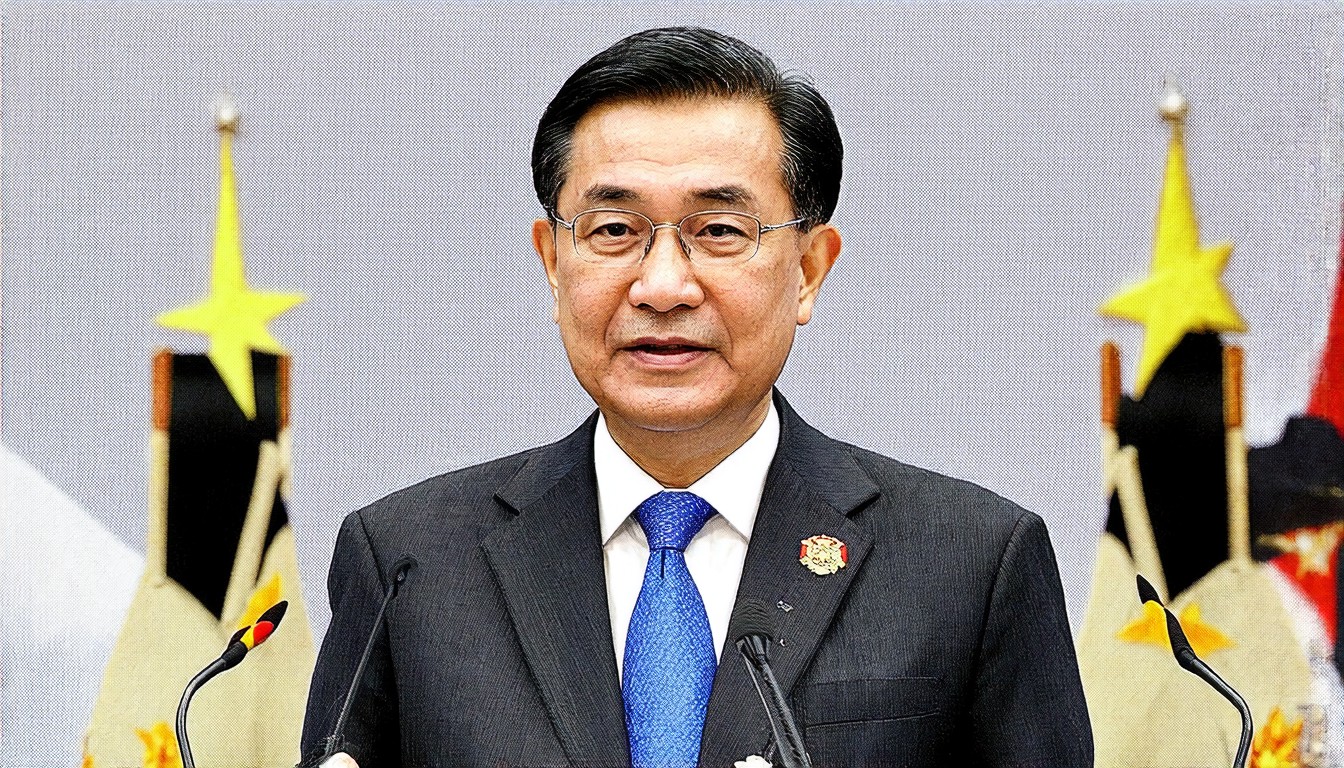
Myanmar junta chief Min Aung Hlaing elected president by pro-military parliament
Myanmar junta chief Min Aung Hlaing won a parliamentary vote on Friday to become the country's president, formalizing his grip on political power in the war-torn nation five…
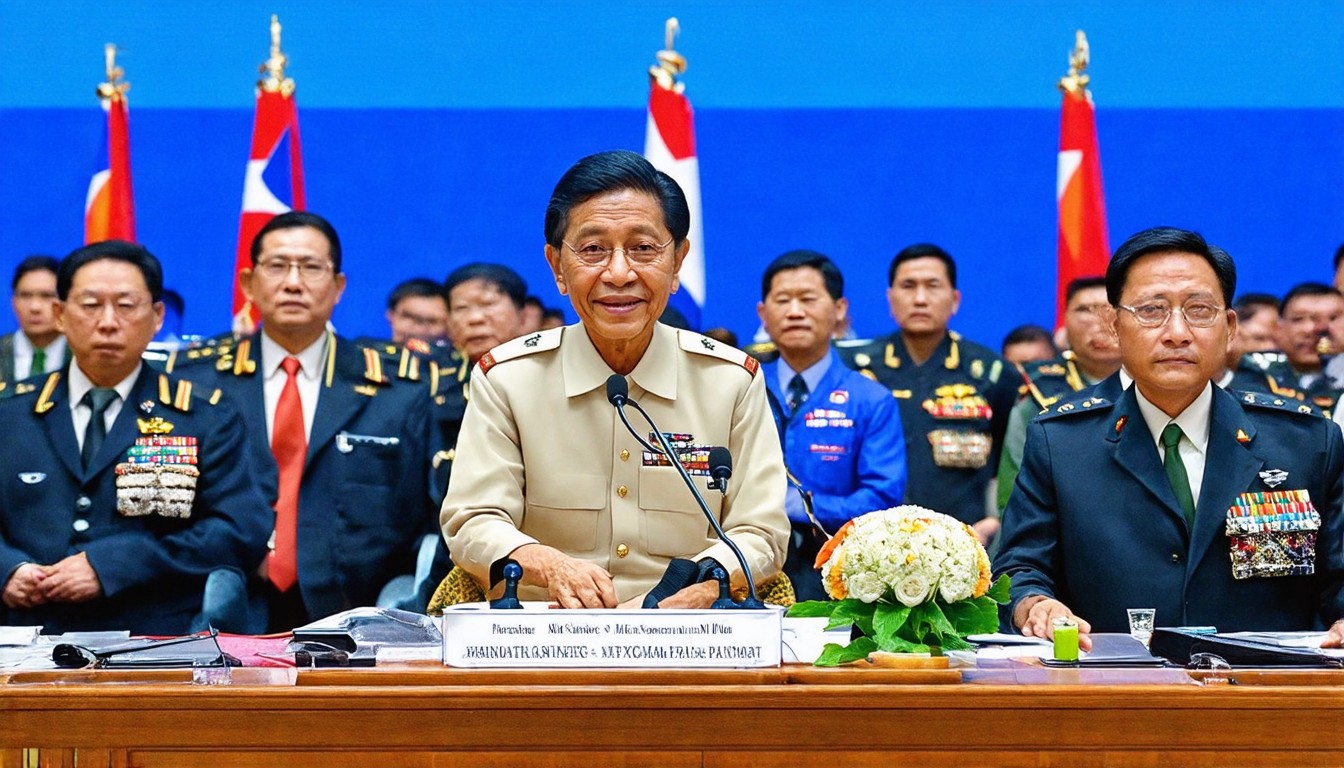
Myanmar junta chief Min Aung Hlaing has been elected president by the country's pro-military parliament, solidifying his control over the war-torn nation. The vote, which took place on Friday, marked a significant consolidation of power for Hlaing, who has been the de facto leader of Myanmar since the military's February 2021 coup.
The election process was conducted in a session of the Pyidaungsu Hluttaw, Myanmar's bicameral legislature, which has been dominated by military representatives since the coup. Hlaing, who has been serving as the commander-in-chief of the Tatmadaw (Myanmar's armed forces), was the sole candidate for the presidency. The parliamentary vote was unanimous, with all 379 lawmakers present voting in favor of his candidacy.
This development comes as Myanmar continues to grapple with the aftermath of the military's violent overthrow of the elected government led by Nobel laureate Aung San Suu Kyi. The coup, which occurred on February 1, 2021, sparked widespread protests and international condemnation. The military junta, led by Hlaing, has responded with brutal force, resulting in thousands of civilian deaths and widespread human rights abuses.
The election of Hlaing as president formalizes the military's dominance in Myanmar's political landscape. Under the country's 2008 constitution, the president is largely a ceremonial figurehead, with the prime minister holding the majority of executive power. However, the military's control over key institutions and its ability to bypass constitutional processes have allowed Hlaing to exert significant influence over governance.
The pro-military parliament's decision to elect Hlaing as president is seen as a further erosion of democratic institutions in Myanmar. The military has repeatedly ignored calls for a return to civilian rule and has cracked down on opposition voices. The election also underscores the lack of political pluralism in the country, as the military-backed National Unity Government has been the sole entity holding power since the coup.
International reactions to Hlaing's election have been largely negative. The United Nations and other international organizations have condemned the move as a further violation of Myanmar's democratic processes. The United States and the European Union have imposed sanctions on Hlaing and other military leaders in response to the coup and the subsequent human rights abuses.
Despite the military's efforts to consolidate power, resistance to Hlaing's regime persists. The Myanmar National Armed Forces, led by the deposed leader Aung San Suu Kyi's National League for Democracy (NLD), continues to wage an insurgency against the junta. Civilian-led groups and grassroots movements also remain active, advocating for democratic reforms and an end to military rule.
The election of Min Aung Hlaing as president highlights the ongoing struggle for power and democracy in Myanmar. As the military tightens its grip on political control, the prospects for a peaceful transition to civilian rule remain uncertain. The international community must continue to pressure Myanmar's military leaders to uphold human rights and democratic principles, while supporting efforts to restore peace and stability in the war-torn nation.