
MWC Barcelona 2026: Prototyping an AI-native 6G from foundation to new services
From air-interface foundations to AI-native services, our MWC technology demonstrations show how we are engineering 6G for intelligence and efficiency
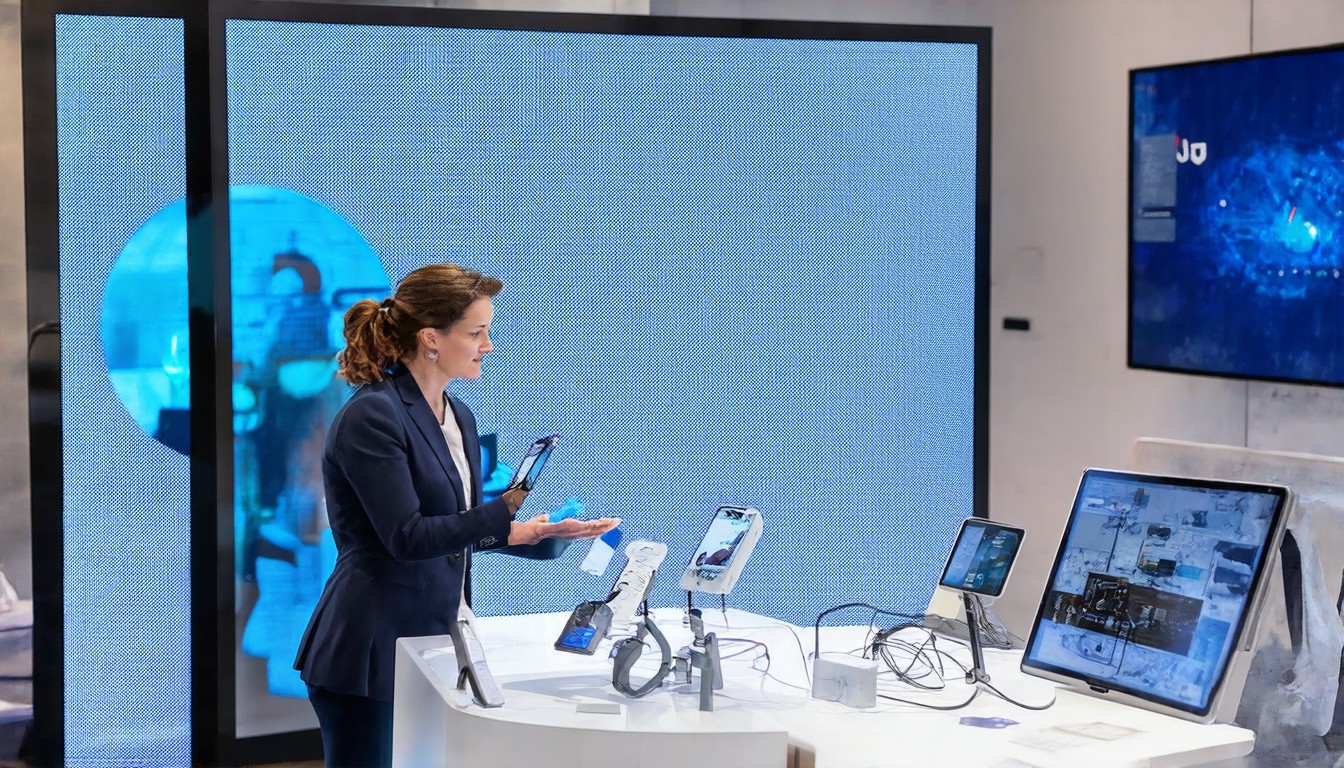
At Mobile World Congress (MWC) Barcelona 2026, the focus is on the future of connectivity as companies and researchers come together to prototype an AI-native 6G network. This visionary technology is being developed from the ground up, with a strong emphasis on integrating artificial intelligence (AI) and optimizing efficiency. The demonstrations at the event highlight the transformative potential of 6G, which promises to revolutionize how we communicate, work, and live.
The air-interface foundations of 6G are being reimagined to support unprecedented speeds, latency, and capacity. Engineers are working on novel protocols and hardware designs that will enable seamless connectivity across a wide range of applications, from autonomous vehicles to smart cities. One of the key challenges in building 6G is ensuring that the infrastructure can support the massive amounts of data generated by AI systems. To address this, researchers are exploring new methods for data compression and processing that will allow AI applications to function efficiently within the 6G ecosystem.
A significant portion of the MWC 2026 demonstrations is dedicated to AI-native services, which are designed to leverage the capabilities of 6G networks. These services are built with the understanding that AI will be an integral part of the infrastructure, enabling real-time decision-making and adaptive behavior. For instance, AI-native services could optimize network resources dynamically, adjusting to changing traffic patterns and user demands. This level of intelligence will not only improve network performance but also enhance the user experience by delivering personalized and context-aware services.
One of the most exciting aspects of 6G is its potential to enable new business models and industries. The combination of high-speed connectivity and AI-driven insights could transform sectors such as healthcare, manufacturing, and transportation. For example, in healthcare, 6G could facilitate remote surgeries and real-time data sharing between medical professionals, leading to improved patient outcomes. In manufacturing, predictive maintenance systems powered by AI could help companies reduce downtime and increase efficiency.
However, the development of 6G is not without its challenges. One of the primary concerns is the need for significant investment in infrastructure upgrades. Operators and equipment manufacturers will need to collaborate closely to ensure that the necessary hardware and software are developed in sync. Additionally, there are concerns about the potential security risks associated with AI-native networks. As these systems become more sophisticated, they may become more vulnerable to attacks, necessitating robust cybersecurity measures.
Despite these challenges, the momentum behind 6G is undeniable. The MWC 2026 demonstrations are a testament to the rapid pace of innovation in the telecommunications industry. As companies and researchers continue to push the boundaries of what is possible, the vision of an AI-native 6G network is becoming increasingly tangible. This technology has the potential to reshape the way we interact with each other and the world around us, paving the way for a future where connectivity and intelligence are intrinsically linked.
In conclusion, the MWC Barcelona 2026 event is a crucial milestone in the development of 6G. The focus on AI-native services and air-interface foundations underscores the importance of building a network that is not only fast and efficient but also intelligent. As the industry continues to innovate, the future of connectivity is looking brighter than ever, with 6G poised to unlock new possibilities and transform our lives in ways we can only begin to imagine.









