
Musk’s ‘Terafab’ Proposal Sparks Debate on the Future of AI Infrastructure
The ambitious Terafab effort targets AI’s next constraints – chip supply, power limits, and scaling – by bringing silicon production in-house.
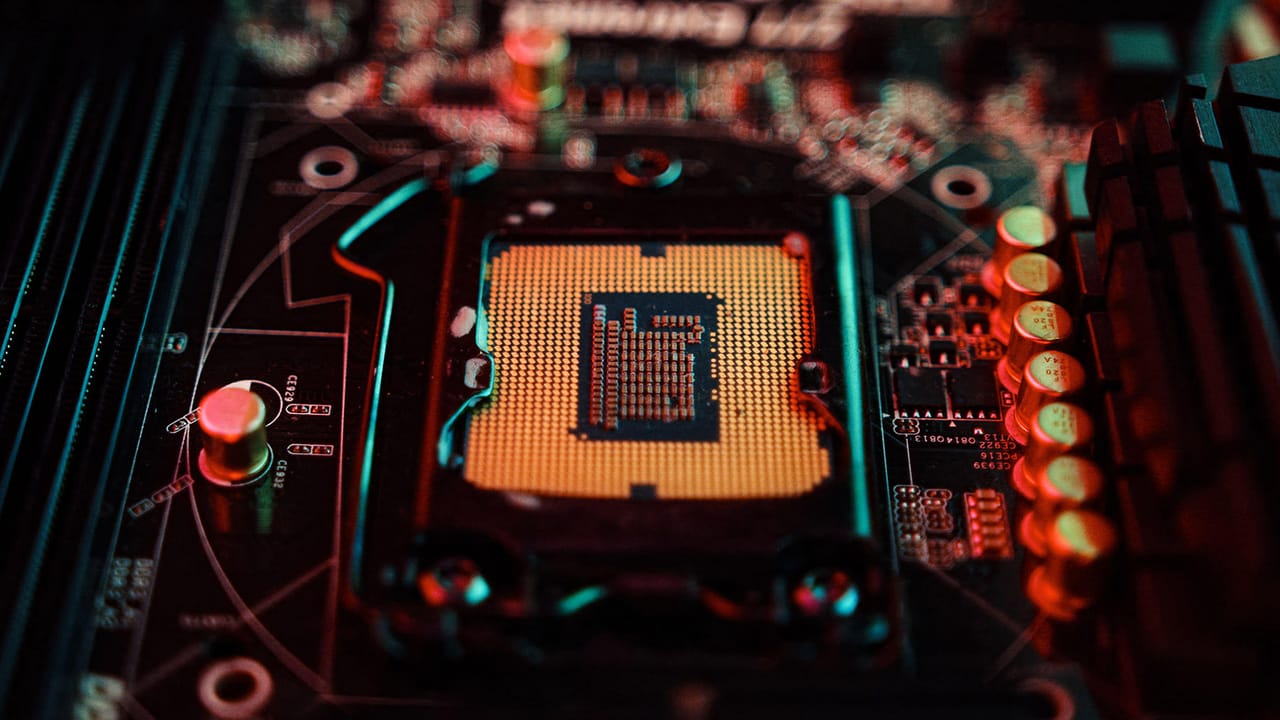
Elon Musk's recent proposal for a project called Terafab has ignited a heated debate about the future of AI infrastructure. The initiative aims to address the critical constraints that AI systems are currently facing, including chip supply shortages, power limitations, and the challenges of scaling up. By bringing silicon production in-house, Terafab seeks to revolutionize the way AI is developed and deployed, potentially unlocking unprecedented levels of efficiency and performance.
The core idea behind Terafab is to tackle the bottlenecks that are currently hindering the rapid advancement of AI technology. As AI applications continue to grow in complexity and demand, the need for powerful and efficient hardware has become increasingly urgent. Traditional supply chains for semiconductor chips have struggled to keep pace with this demand, leading to shortages and inflated costs. Musk's proposal suggests that by vertically integrating the production process, companies can gain greater control over the supply chain, reduce costs, and accelerate the development of cutting-edge AI hardware.
One of the primary challenges that Terafab aims to address is the power consumption of AI systems. As AI models become larger and more sophisticated, the energy requirements for training and running these models have skyrocketed. This has raised concerns about the environmental impact of AI development and the feasibility of deploying such systems at scale. By producing custom-designed chips in-house, Terafab could potentially create hardware that is more energy-efficient, thereby reducing the overall power demands of AI systems.
Another critical constraint that Terafab seeks to overcome is the scaling of AI infrastructure. As AI applications expand into new domains and industries, the need for scalable and modular hardware has become more pressing. Traditional semiconductor manufacturing processes can be slow and inflexible, making it difficult to quickly adapt to changing requirements. By controlling the entire production process, Terafab could enable faster iterations and more tailored solutions, allowing AI developers to scale their systems more efficiently.
The proposal has sparked a wide range of reactions from experts and industry insiders. Some argue that Terafab represents a significant step forward in addressing the challenges facing AI infrastructure, offering a pathway to more sustainable and powerful AI systems. Others express concerns about the potential monopolistic tendencies of vertically integrated AI hardware production, which could stifle competition and innovation in the field.
Critics of the Terafab initiative point out that the move to in-house silicon production could lead to a concentration of power in the hands of a few large corporations, potentially limiting the diversity of AI research and development. They also question whether the environmental benefits of more energy-efficient hardware will outweigh the costs and emissions associated with scaling up semiconductor manufacturing operations.
Despite these concerns, proponents of Terafab emphasize the potential for breakthroughs in AI technology that could be achieved through vertical integration. By having direct control over the hardware production process, AI developers could experiment with new architectures and designs more freely, accelerating innovation and driving down costs. This, in turn, could make advanced AI technologies more accessible to a wider range of organizations and individuals.
In the coming months, it will be interesting to see how the debate around Terafab unfolds. As AI continues to reshape industries and society, the need for robust and scalable infrastructure is more critical than ever. While the proposal raises important questions about competition, sustainability, and innovation, it also highlights the potential for groundbreaking advancements in AI technology. Only time will tell whether Terafab will become a cornerstone of the future of AI infrastructure or if it will be overshadowed by alternative approaches.









