KEM Hospital blood component shortage after machine failure
A malfunctioning blood component separator at Mumbai’s KEM Hospital has halted platelet and plasma production, forcing the hospital to rely on external blood banks for critical transfusions.
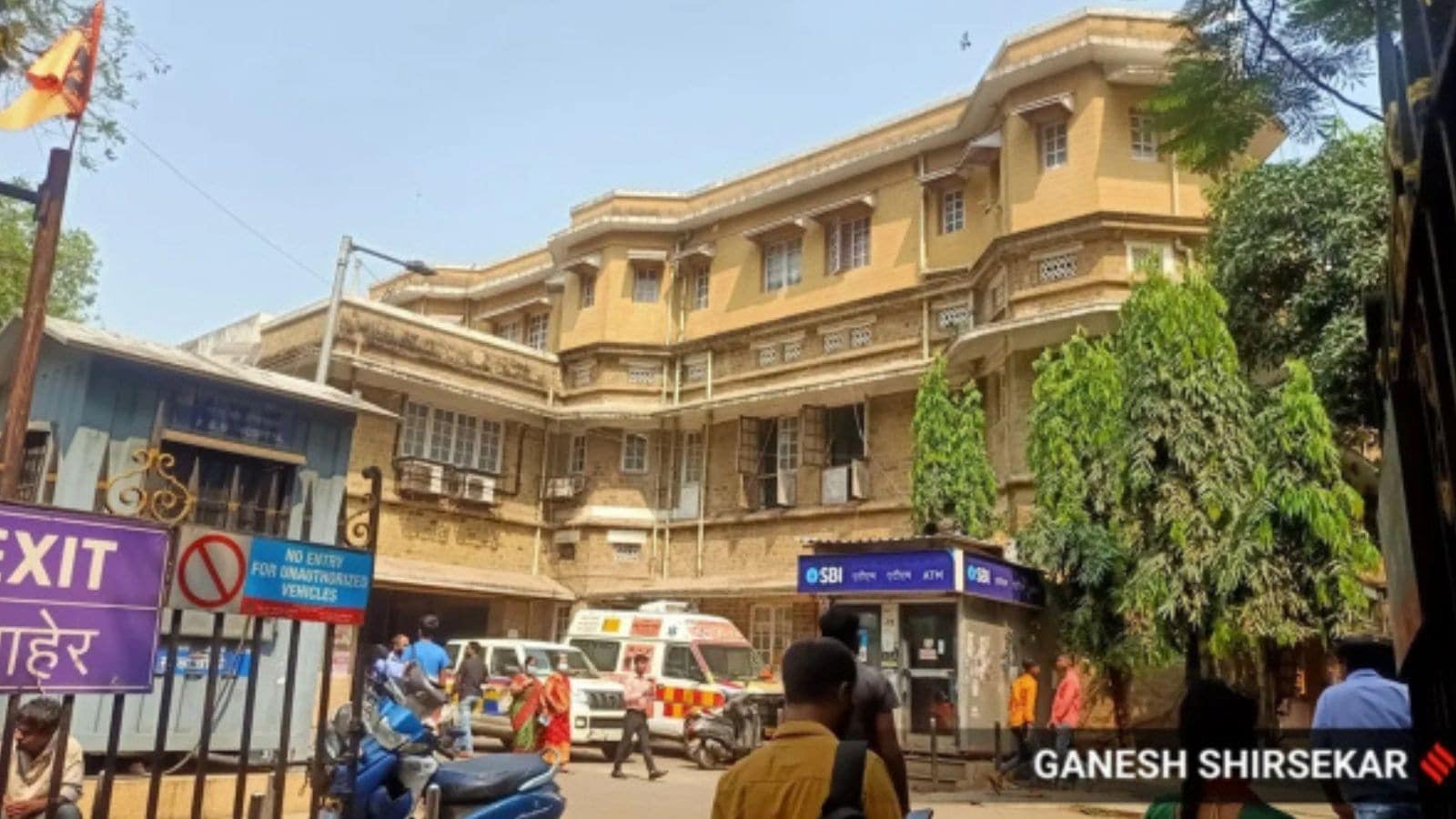
MUMBAI — Patients at Mumbai’s King Edward Memorial (KEM) Hospital are facing delays in receiving life-saving blood components after a critical machine used to separate whole blood into platelets and plasma malfunctioned. The breakdown has forced the hospital to rely heavily on external blood banks to meet demand, raising concerns about the resilience of essential medical equipment in one of the city’s largest public hospitals. The affected machine is a blood component separator, a device that processes donated whole blood into its constituent parts — red cells, platelets, and plasma.
Platelets are crucial for cancer patients undergoing chemotherapy, trauma victims, and those with bleeding disorders. Plasma is used to treat burn victims and patients with clotting deficiencies. Without the machine, KEM Hospital cannot produce these components on-site. Hospital officials have confirmed that the machine is out of service and that repairs are underway. However, no timeline has been provided for when full production will resume. In the interim, the hospital has increased its orders from external blood banks, which are already under strain from regular demand across the city’s healthcare network.
KEM Hospital is a major public health institution in Mumbai, serving thousands of patients annually, many of whom come from low-income backgrounds. The facility’s blood bank is a key supplier for its own wards as well as for smaller clinics and nursing homes in the area. The disruption comes at a time when blood component demand typically rises due to seasonal illnesses and accident-related emergencies. The shortage highlights a broader vulnerability in India’s public hospital system: aging medical infrastructure and limited redundancy for critical equipment.
While private hospitals often maintain backup machines or service contracts with rapid response times, public hospitals frequently operate with older devices and face bureaucratic delays in procurement and repair. Medical experts note that blood component separators are complex machines requiring regular maintenance and skilled technicians. A single point of failure can cascade into a citywide shortage if the hospital is a major regional supplier. In this case, KEM’s inability to process its own blood donations means that every unit of platelet or plasma must now be sourced externally, adding logistical and cost pressures.
Patients and their families have expressed anxiety over the uncertainty. For those requiring regular platelet transfusions, such as leukemia patients, even a short disruption can be life-threatening. The hospital administration has assured the public that it is doing everything possible to restore the machine and that no patient has been denied treatment so far, but the situation remains fluid. The incident also raises questions about preventive maintenance schedules and whether public hospitals have adequate contingency plans for equipment failure.
As Mumbai continues to grow, the strain on its public health infrastructure is likely to increase, making equipment reliability a matter of urgent policy attention.